

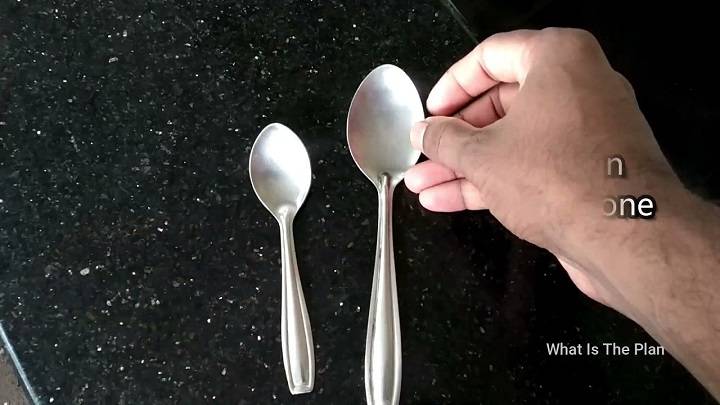
In the world of cooking and baking, precise measurements are crucial for achieving the desired taste and texture of dishes. One common conversion that often arises is between teaspoons and tablespoons. This comprehensive guide will explore how to convert teaspoons to tablespoons, discuss the importance of accurate measurements, provide practical tips for conversions, and offer various examples to help you understand and apply these conversions in your culinary adventures.
Accurate measurements are a cornerstone of successful cooking and baking. One of the most frequent conversions encountered in recipes is between teaspoons and tablespoons. This guide will provide detailed information on how to convert these units, explain their significance, and offer practical advice for using these conversions effectively in your kitchen.
Understanding Teaspoons and Tablespoons
What is a Teaspoon?
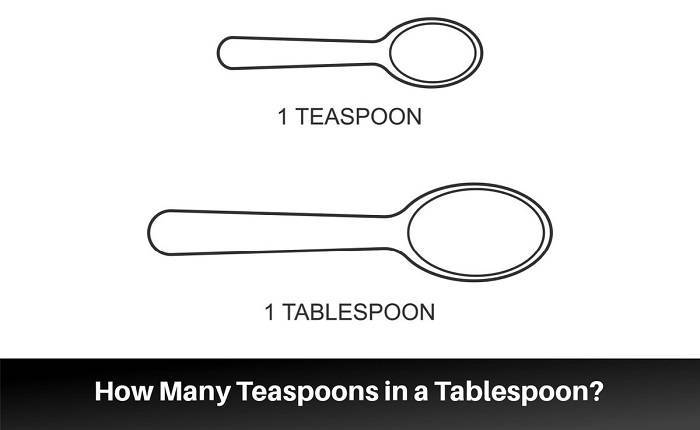
A teaspoon (tsp) is a unit of volume measurement commonly used in cooking and baking. It is a smaller unit than a tablespoon and is often used to measure small quantities of ingredients, such as spices, extracts, and leavening agents.
- 1 teaspoon = 1/3 tablespoon
- 1 teaspoon = 5 milliliters
What is a Tablespoon?
A tablespoon (tbsp) is also a unit of volume measurement used in cooking and baking. It is larger than a teaspoon and is commonly used to measure both liquid and dry ingredients.
- 1 tablespoon = 3 teaspoons
- 1 tablespoon = 15 milliliters
How Many Teaspoons are in a Tablespoon?
The conversion between teaspoons and tablespoons is straightforward:
- 1 tablespoon = 3 teaspoons
This means that if you have a specific number of tablespoons, you can multiply that number by 3 to get the equivalent number of teaspoons, and vice versa.
Practical Examples
Example 1: Converting Teaspoons to Tablespoons
- 6 teaspoons ÷ 3 = 2 tablespoons
Example 2: Converting Tablespoons to Teaspoons
- 2 tablespoons x 3 = 6 teaspoons
Practical Applications of Teaspoon to Tablespoon Conversions
Cooking and Baking
Accurate measurements are crucial in cooking and baking to ensure the desired results. Recipes often require precise amounts of ingredients, making it important to understand conversions.
Example: Measuring Ingredients
If a recipe calls for 2 tablespoons of an ingredient, but you only have a teaspoon, you can convert this measurement:
- 2 tablespoons x 3 = 6 teaspoons
Scaling Recipes
When scaling recipes up or down, converting between teaspoons and tablespoons ensures that ingredient proportions remain consistent.
Example: Doubling a Recipe
If a recipe calls for 1 tablespoon of vanilla extract and you want to double it, you can convert the measurement to teaspoons for easier scaling:
- 1 tablespoon x 2 = 2 tablespoons
- 2 tablespoons x 3 = 6 teaspoons
Nutrition and Dieting
For those monitoring their nutritional intake, understanding how to convert teaspoons to tablespoons can help in tracking portion sizes and calorie counts.
Example: Measuring Oil
If you need to measure 1 tablespoon of olive oil for a salad dressing and want to know the equivalent in teaspoons for easier tracking:
- 1 tablespoon x 3 = 3 teaspoons
Tips for Accurate Conversions
Use the Right Tools
Using the right tools ensures accurate measurements. Here are some tools that can help:
- Measuring Spoons: These tools are standard for measuring liquids and dry ingredients in the kitchen.
- Digital Scale: A digital scale can provide precise measurements for ingredients that need to be converted by weight.
- Conversion Charts: Keeping a conversion chart handy can help with quick and accurate conversions.
Follow Proper Measuring Techniques
Using proper measuring techniques ensures accuracy. Here are some tips:
- Level Off: For dry ingredients, level off the measuring spoon with a straight edge to avoid overfilling.
- Liquid Measuring Spoons: Use clear, graduated measuring spoons for liquids, placing them on a flat surface and checking at eye level.
- Spoon and Sweep: For dry ingredients like flour, use a spoon to fill the measuring spoon and level it off with a straight edge.
Be Aware of Measurement System Differences
Always be aware of the measurement system used in your recipe or project. Converting between different measurement systems requires understanding the differences between these systems.
Common Mistakes and How to Avoid Them
Confusing Volume and Weight
One common mistake is confusing volume (teaspoons and tablespoons) with weight (grams and ounces). Remember that teaspoons and tablespoons measure volume, while grams and ounces measure weight. The two are not interchangeable without considering the density of the substance.
Using Inaccurate Tools
Using inaccurate tools, such as non-standard measuring spoons, can lead to incorrect measurements. Always use calibrated measuring tools for the best results.
Not Leveling Dry Ingredients
Not leveling off dry ingredients can result in using too much or too little of an ingredient. Always level off dry ingredients with a straight edge for accuracy.
Converting Between Different Units
Teaspoons to Milliliters
Here are some common conversions for teaspoons to milliliters:
- 1 teaspoon = 5 milliliters
- 2 teaspoons = 10 milliliters
- 3 teaspoons = 15 milliliters
Tablespoons to Milliliters
Here are some common conversions for tablespoons to milliliters:
- 1 tablespoon = 15 milliliters
- 2 tablespoons = 30 milliliters
- 3 tablespoons = 45 milliliters
Teaspoons to Cups
Here are some common conversions for teaspoons to cups:
- 48 teaspoons = 1 cup
- 24 teaspoons = 1/2 cup
- 12 teaspoons = 1/4 cup
Tablespoons to Cups
Here are some common conversions for tablespoons to cups:
- 16 tablespoons = 1 cup
- 8 tablespoons = 1/2 cup
- 4 tablespoons = 1/4 cup
Practical Examples
Making a Cake
When making a cake, knowing how to convert teaspoons to tablespoons can ensure precise measurements and consistent results.
Example: Measuring Baking Powder
If a cake recipe calls for 6 teaspoons of baking powder and you want to convert it to tablespoons:
- 6 teaspoons ÷ 3 = 2 tablespoons
Preparing a Salad Dressing
For a homemade salad dressing, converting teaspoons to tablespoons can help you scale the recipe accurately.
Example: Measuring Vinegar
If a salad dressing recipe calls for 1 tablespoon of vinegar and you want to convert it to teaspoons:
- 1 tablespoon x 3 = 3 teaspoons
Nutrition and Dieting
Understanding how to convert teaspoons to tablespoons can help in tracking portion sizes and calorie counts for various ingredients.
Example: Measuring Peanut Butter
If you need to measure 1 tablespoon of peanut butter for a snack and want to convert it to teaspoons for easier tracking:
- 1 tablespoon x 3 = 3 teaspoons
Related Post:
Dallas Mavericks vs Clippers: Comprehensive Player Stats Breakdown
Posiciones de la Premier League: Clasificación Actualizada y Análisis Detallado
OKC Thunder vs Dallas Mavericks: In-Depth Player Stats and Match Analysis
Understanding how many teaspoons are in a tablespoon is a crucial skill for anyone who cooks or bakes. The key is knowing that 1 tablespoon equals 3 teaspoons.
By using the right tools, following proper measuring techniques, and being aware of the differences between volume and weight, you can ensure accurate and precise conversions. This knowledge will help you navigate recipes, projects, and daily activities with confidence and accuracy.
In summary, mastering teaspoon to tablespoon conversions enhances your ability to follow recipes, scale up or down, and track nutritional intake with precision. Keep this guide handy as a reference, and you’ll be well-equipped to handle any measurement challenge that comes your way. Happy measuring!