

Italy’s influence in the world of art and architecture is well-documented, with its renowned marble quarries serving as the birthplace of some of the most famous sculptures and monuments in history. Italian marble, particularly from the iconic Carrara region, is revered for its beauty, durability, and timeless quality.
It has found its way into numerous memorials across the globe—both commemorating war and symbolizing peace—creating a lasting tribute to human sacrifice, remembrance, and reconciliation. The use of Italian marble in statues of war and statues of peace highlights the enduring legacy of Italy’s craftsmanship, while also representing the complex relationship between conflict and harmony.
Italian Marble in Wartime Memorials: Remembering the Fallen
Italian marble’s association with wartime memorials extends far beyond Italy’s borders. Throughout the world, many significant war monuments incorporate this prized stone, blending Italy’s centuries-old tradition of marble artistry with a global need for remembrance. From France to Australia, Italy’s marble is a medium through which nations honor the sacrifices made during wartime.
One notable example is the Commonwealth War Graves Commission Memorials scattered across Europe, including in France and Belgium. Some of these memorials use Italian Carrara marble for their statues and plaques, a mark of the craftsmanship that Italy is known for. The Vimy Memorial in France, commemorating Canadian soldiers who died during the Battle of Vimy Ridge in World War I, is another example. While the monument itself is primarily constructed from limestone, Italian marble plays a vital role in inscriptions and smaller statues, adding a sense of permanence and solemnity to the memorial.
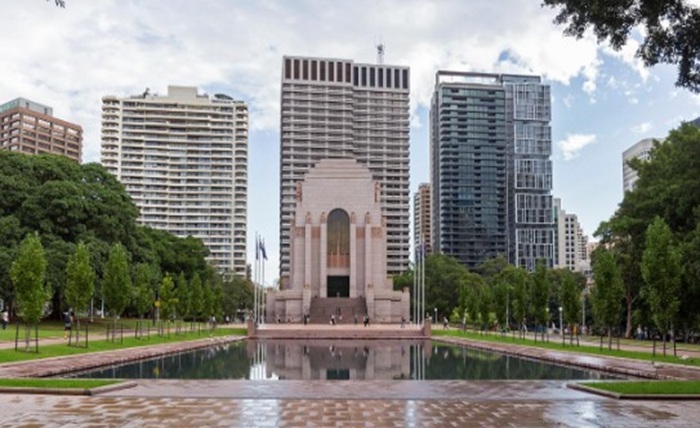
The ANZAC Memorial in Sydney, Australia, is another striking example of Italy’s marble being used in wartime memorials. This memorial, dedicated to the soldiers from Australia and New Zealand who fought in the First World War, includes several Italian marble sculptures and plaques. The statues, which depict soldiers in heroic and poignant poses, capture the bravery and sacrifice of those who served. The use of Carrara marble underscores the national importance of these soldiers’ contributions, creating a lasting legacy that ties Italy’s artistic heritage with global remembrance.
Even in South Africa, the Italy Memorial at the War Memorial Park in Johannesburg uses Italian marble to honor the soldiers from Italy who fought during the World Wars. This memorial, built in the 1920s, features a marble statue of an Italian soldier, standing proudly to reflect the courage of those who served far from their homeland.
Statues of Peace: Italian Marble as a Symbol of Harmony
Just as Italy’s marble is used to commemorate wartime sacrifice, it also plays a role in statues of peace—works that symbolize reconciliation, unity, and the collective desire for peace. Italy, with its rich history of art and culture, has long been a proponent of peace, and its marble has been a key element in many monuments that aim to foster harmony between nations.
One of the most famous examples of Italian marble symbolizing peace is Denmark’s Statue of Peace, located in Copenhagen. Unveiled in 1918, the statue stands as a tribute to Denmark’s maritime past and its hopes for a future of peace, particularly after the tumultuous years of World War I.
The monument is made of Italian Carrara marble, which was chosen for its lasting quality and symbolic connection to both Italy’s artistic heritage and the theme of peace. The figure at the heart of the Statue of Peace is a woman, symbolizing peace, standing atop an anchor to signify Denmark’s deep connection to the sea. This marble monument evokes both a national and European vision of peace, mirroring the spirit of reconciliation that Italy itself has championed throughout history.
In Italy, the Altar of the Fatherland in Rome also reflects the country’s commitment to peace, though its roots lie in the unification of Italy rather than the aftermath of war. The Altar, constructed from Italian marble, honors the nation’s unification and the sacrifices made by its soldiers. While not directly a “statue of peace,” the monument’s symbolism of national unity and progress embodies the idea of peace and stability emerging from conflict. Italy’s choice to use its own marble for such a monumental piece reinforces the connection between art, culture, and the desire for peace.
Italy’s historical contributions to peace are further symbolized in memorials like the Italian Memorial at the British Cemetery in Ligny, Belgium, where the use of Carrara marble highlights the cooperative spirit between Italy and its allies. The memorial commemorates Italian soldiers who fought and died during World War I, illustrating the country’s ongoing commitment to international peace and reconciliation after the ravages of war.
The Global Influence of Italian Marble: A Bridge Between War and Peace
The use of Italian marble in both wartime and peace monuments across the globe highlights a powerful narrative—one in which Italy’s artistic tradition transcends national boundaries and becomes a medium of global remembrance and reconciliation. In countries like France, Belgium, and Australia, Italy’s marble serves as a tangible connection between the past and the present, between the scars of war and the dreams of peace.
Italian marble’s role in both statues of war and statues of peace reinforces the idea that the sea of conflict and the calm of reconciliation are not as distant as they may seem. The enduring quality of marble—resistant to time and the elements—serves as a metaphor for the long-lasting impact of these memorials, which aim to honor those who fought for peace while striving for a world free of conflict.
The Vimy Memorial, the ANZAC Memorial, and the Statue of Peace in Copenhagen are just a few examples of how Italian marble has been used to commemorate the sacrifices of soldiers, while also providing a symbol of hope for peace. These memorials reflect a broader, shared human desire for unity and harmony, values that Italy has long espoused through its artistic and architectural traditions.
Italian Craftsmanship: A Lasting Legacy
In both statues of war and statues of peace, Italian marble stands as a symbol of enduring legacy, bridging the pain of conflict with the hope for a peaceful future. Whether commemorating the fallen in distant lands or symbolizing unity in the aftermath of war, Italy’s marble plays a key role in shaping how the world remembers and strives for peace. Italy’s influence, both in art and in the global pursuit of harmony, remains as timeless as the marble itself, offering a lasting reminder that even in the darkest times, there is always the potential for peace.