

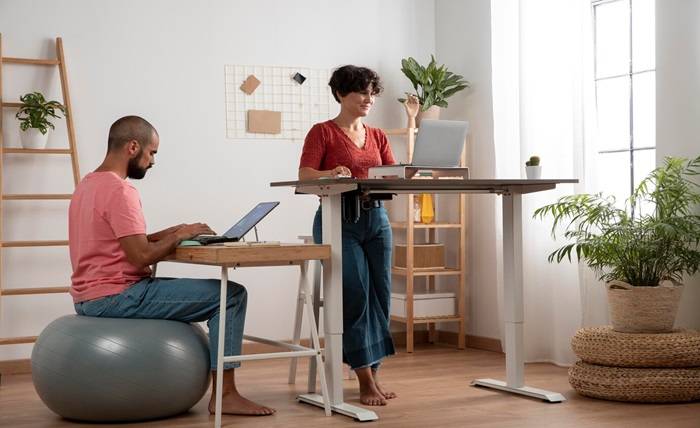
In recent years, the traditional office setup has undergone a significant transformation with the emergence and widespread adoption of standing desks. The sedentary lifestyle that often accompanies desk jobs has led to various health concerns, prompting individuals and organizations to seek innovative solutions. Standing desks have gained popularity as a proactive approach to counteract the negative effects of prolonged sitting. This article delves into the various aspects of standing desks, exploring their benefits, impact on health, and influence on overall productivity.
I. Understanding the Concept of Standing Desks:
Standing desks, also known as stand-up desks, height-adjustable desks, or sit-stand desks, are workstations that allow users to alternate between sitting and standing positions. These desks typically feature adjustable heights, enabling users to customize their workspace based on their comfort and preference. The goal is to break the monotony of sitting for extended periods and promote a more dynamic and health-conscious work environment.
II. Health Benefits of Using Standing Desks:
Reduced Risk of Sedentary-Related Health Issues:
- Prolonged sitting has been associated with various health concerns, including obesity, cardiovascular disease, and musculoskeletal problems. Standing desks provide an effective solution by encouraging movement and reducing the amount of time spent in a sedentary position.
Improved Posture and Reduced Back Pain:
- One of the notable advantages of standing desks is their positive impact on posture. Users often report experiencing less back and neck pain when using a standing desk regularly. The ability to switch between sitting and standing promotes better alignment of the spine and reduces the strain on the lower back.
Enhanced Energy and Mood:
- Advocates of standing desks often highlight the increased energy levels and improved mood associated with their use. The act of standing promotes better blood circulation and oxygen flow, which can contribute to a more alert and positive mindset.
Weight Management:
- Standing burns more calories than sitting, albeit at a modest rate. Over time, this increased calorie expenditure can contribute to weight management and overall better health. While not a substitute for regular exercise, a standing desk offers a passive way to incorporate more movement into a sedentary workday.
III. Productivity and Cognitive Benefits:
Increased Focus and Alertness:
- Users of standing desks often report heightened levels of focus and alertness. The act of standing engages different muscle groups and can help combat the mid-afternoon slump that many individuals experience after prolonged sitting.
Enhanced Creativity and Problem-Solving:
- Some studies suggest that standing while working may have a positive impact on cognitive function. The increased blood flow to the brain may contribute to improved creativity, problem-solving skills, and overall cognitive performance.
Greater Workplace Satisfaction:
- Providing employees with standing desks is seen as a progressive approach to workplace wellness. Offering ergonomic workspaces can lead to greater job satisfaction, contributing to a positive organizational culture.
IV. Practical Considerations and Implementation:
Ergonomics and Desk Setup:
- Proper ergonomics are crucial when using standing desks to ensure maximum benefit and comfort. Users should adjust the desk height, monitor position, and keyboard placement to maintain a neutral and comfortable posture.
Gradual Transition:
- It’s recommended to ease into using a standing desk gradually. Starting with short periods of standing and gradually increasing the duration allows the body to adjust without causing discomfort or fatigue.
Combining Standing and Sitting:
- Striking a balance between sitting and standing is key to reaping the benefits of a standing desk without overexertion. Many users find success in adopting a routine that includes both sitting and standing intervals throughout the day.
V. Overcoming Challenges and Addressing Concerns:
Foot Discomfort and Fatigue:
- Standing for extended periods can lead to foot discomfort and fatigue. Anti-fatigue mats, supportive footwear, and incorporating brief sitting breaks can help alleviate these issues.
Investment and Accessibility:
- While the health benefits are substantial, the initial cost of standing desks can be a concern for some. Organizations need to weigh the long-term advantages against the upfront investment and consider alternative solutions such as desk converters for existing workstations.
Conclusion:
The rise of standing desks marks a positive shift towards prioritizing health and well-being in the workplace. As our understanding of the detrimental effects of prolonged sitting deepens, standing desks offer a viable solution to mitigate these concerns. From reducing the risk of sedentary-related health issues to enhancing productivity and cognitive function, the benefits of standing desks extend beyond the physical realm. As organizations continue to embrace these ergonomic workstations, the future of office environments may very well be defined by a healthier, more dynamic approach to work.