

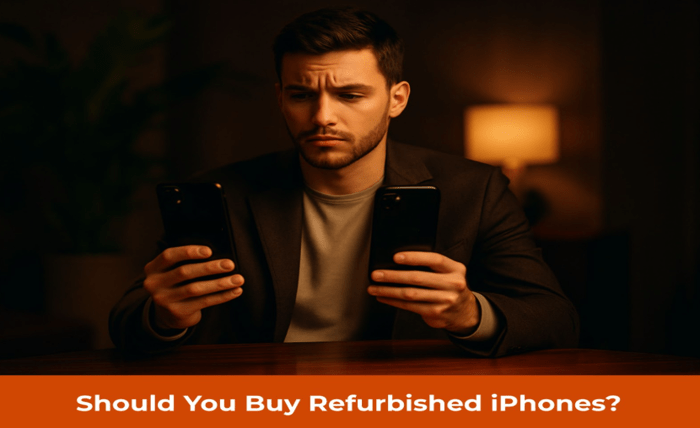
With new smartphone releases happening every year and price tags climbing just as quickly it’s no wonder that more people are asking, “Should I buy a refurbished phone?” Or more specifically, “Should I buy a refurbished iPhone?” It’s a valid question, especially when budget, sustainability, and performance are all in play.
Refurbished phones have come a long way in recent years. They’re no longer the sketchy, unpredictable options they once were. In fact, with the right seller, buying refurbished could be one of the smartest tech decisions you’ll make. Here’s what you should know before making the call.
What Exactly Is a Refurbished Phone?
Let’s clear up a common misunderstanding: refurbished does not mean damaged or low quality. A refurbished phone is a previously owned device that’s been inspected, cleaned, repaired if needed, and tested to meet functional standards. Many sellers also include a warranty, which adds a layer of peace of mind.
So, if you’re wondering, “Should I buy a refurbished iPhone?” know that it’s not the same as buying a used phone off a classified site. Refurbished means it’s been restored to good working order, often by professionals or certified technicians.
Why More People Are Choosing Refurbished
1. You Save Money (Without Sacrificing Quality)
One of the biggest perks is the price. Refurbished iPhones often cost 20% to 50% less than new ones. This makes it easier to afford premium models like the iPhone 13 or 14 without emptying your wallet.
2. They’re Reliable and Warranty-Backed
A major concern with second-hand electronics is reliability. But with refurbished iPhones, especially those bought from reputable sellers like Mobile Guru, devices are tested for functionality and come with a warranty. That alone makes the idea of buying refurbished a lot more appealing.
3. Eco-Friendly and Sustainable
Choosing refurbished is also a win for the planet. Smartphones contribute significantly to electronic waste, and manufacturing new devices consumes a lot of resources. Buying refurbished helps reduce e-waste and extends a phone’s life, making it a greener option.
4. Great for Everyday Users
Not everyone needs the newest release. A refurbished iPhone that’s just a year or two old still offers fast performance, great cameras, and iOS updates. For everyday use calls, browsing, social media, streaming these devices are more than capable.
Any Downsides?
Sure, there are a few things to keep in mind:
- Battery life may not be 100% like-new, though many refurbished phones come with replaced or tested batteries.
- Cosmetic conditions can vary. Some may have light scratches or signs of wear, but sellers usually grade the condition (A, B, C) so you know what you’re getting.
- Stock can be limited, especially for popular models or colors.
Still, if you’re asking yourself, “Should I buy a refurbished iPhone?” and your top priorities are savings, functionality, and sustainability, these trade-offs might be worth it.
How to Buy a Refurbished Phone Smartly
Not all refurbished phones are equal. Here’s how to make a safe purchase:
- Buy from a trusted seller with good reviews and return policies.
- Look for a warranty (ideally 6 months or more).
- Check the grade of the phone’s condition.
- Make sure it’s unlocked and compatible with your network.
Websites like Mobile Guru specialise in professionally refurbished phones, offering transparency, fair pricing, and customer support all key factors for peace of mind.
So, Should You Buy a Refurbished iPhone?
In many cases, yes. If you’re looking for a high-quality phone at a fraction of the price, and you’re open to something that’s been gently used and restored, buying refurbished makes sense. It’s a budget-smart, eco-friendly move that still gives you access to powerful, modern tech.
Whether it’s your main device or a reliable backup, a refurbished iPhone can be a smart purchase when done right. The key is to buy from a source you trust and to know exactly what you’re getting.