

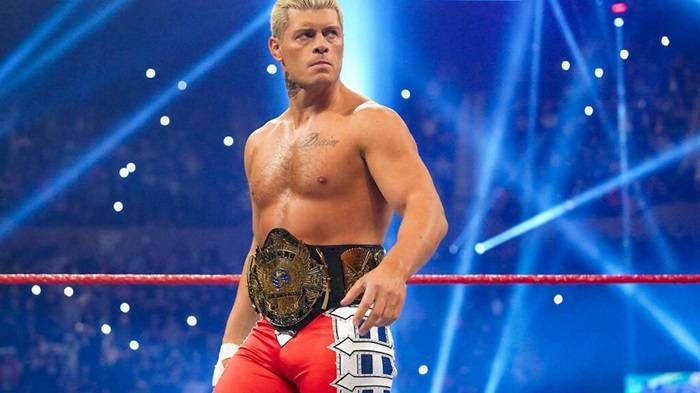
For a wrestling classic, Saturday Night’s Main Event is probably one of the most recognizable shows in professional wrestling history. Created by the then-World Wrestling Federation now WWE, the event aired in prime time and changed the game in terms of how wrestling reached the mainstream. With electric matches and truly memorable storylines, Saturday Night’s Main Event became one of the big players in the globalization of the sports entertainment monster that was wrestling.
The birth of a phenomenon
Saturday Night’s Main Event debuted on May 11, 1985, the brainchild of an idea for a joint venture between the WWF and NBC. Taking over the network’s Saturday Night Live time slot on a periodic basis marked the first time professional wrestling was featured in a prime time slot on a major broadcast network since the 1950s.
Timing was everything: professional wrestling was at the height of a popularity wave with huge personality wrestlers like Hulk Hogan, “Macho Man” Randy Savage, and Andre the Giant. The show was one of the ways such superstars gained more exposure.
Format and Appeal
Other wrestling shows were regular and weekly, but Saturday Night’s Main Event was high on stakes matches, rivalries, and drama galore. Each episode would host a few marquee matchups, interviews, and segments that moved major storylines along. It was only these title defenses, grudge matches, and celebrity guest appearances that headlined and made this show a mass appeal in itself.
What separated Saturday Night’s Main Event from all other wrestling shows during this period was the high production value and attention to minute detail. This combination of sports entertainment and mainstream showmanship proved to be a ratings success.
Memorable Moments
Over its run, Saturday Night’s Main Event provided plenty of memorable moments for viewers:
Hulk Hogan vs. Andre the Giant (1988): The rematch of their legendary encounter at WrestleMania III drew astronomical viewership and is very arguably one of the most-viewed matches in wrestling history.
The Mega Powers Unite (1987): Hulk Hogan and Randy Savage formed an alliance that would dominate the wrestling landscape for years to come, with their unlikely partnership serving as one of the central storylines.
Shawn Michaels vs. Big Boss Man, 1992: Marked the rise of Shawn Michaels as a singles competitor and cemented his status as a star of the future.
Stone Cold Steve Austin’s Early Stardom, 1997: The show captured the rise of Austin and his persona, adding to the “Attitude Era.”.
However, with the onset of cable and their respective weekly series episodic wrestling televisions, both WWE and NWA/ WCW eventually discovered there was little-to-less-and-less a need for special prime-time events, which ultimately begged an ending of its original NBC Saturday Night’s Main Event run in 1991, after just a half-dozen years; it would briefly go to FOX in brief, short fashion in the early 1990s.
It returned to the screen in 2006, running sporadically on NBC. Never as popular as in its original time slot, the resurrection gave old fans moments of nostalgia and a new generation the opportunity to finally see what all the fuss was about.
Cultural Impact
Saturday Night’s Main Event was one of the key catalysts that catapulted professional wrestling into the mainstream. The show crossed over into popular entertainment, as celebrity guests like Mr. T, Cyndi Lauper, and Muhammad Ali graced the airwaves. This led to doors opening up for wrestling on major networks and contributed to the globalization of WWE.
Fun Facts About Saturday Night’s Main Event
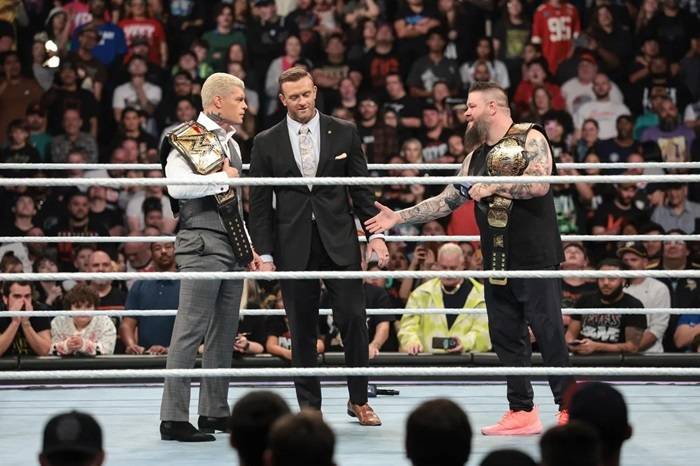
High Ratings: It attracted millions upon millions of viewers. Several episodes reached the highest ranks of wrestling history in terms of viewing figures.
Its Unique Theme: It had its distinctive theme song called “Obsession” by Animotion.
A Seasonal Broadcast: Contrary to all other wrestling shows broadcast every week, Saturday Night’s Main Event was broadcast around five or six times yearly, which means each episode became sort of an event.
Merchandise Boom: The show’s popularity boosted merchandise sales, from action figures to apparel, solidifying WWE’s commercial success.
FAQs About Saturday Night’s Main Event
When did Saturday Night’s Main Event originally air?
The show debuted on May 11, 1985, and ran until 1991 on NBC, with a brief return in the 2000s.
What was special about Saturday Night’s Main Event?
The first wrestling show to air in decades on a major broadcast network in prime time, the sport reaches out to more viewers.
Name some top stars who were featured on it.
It featured superstars like Hulk Hogan, Randy Savage, Andre the Giant, Bret Hart, and The Undertaker.
Did the show feature non-wrestling celebrities?
Yes, celebrities like Mr. T, Cyndi Lauper, and Muhammad Ali made appearances, adding to its mainstream appeal.
Is Saturday Night’s Main Event available for streaming?
Yes, many episodes are available on the WWE Network and Peacock for fans to revisit.
Saturday Night’s Main Event is an event that will forever be synonymous with professional wrestling history. Its innovative format, memorable moments, and relevance in the culture have forever stamped its place within the sport. A lifelong fan of wrestling-or one who’s newer to the sport-will be reminded, upon revisiting this iconic show, of the magic and excitement that defined an era of sports entertainment.