

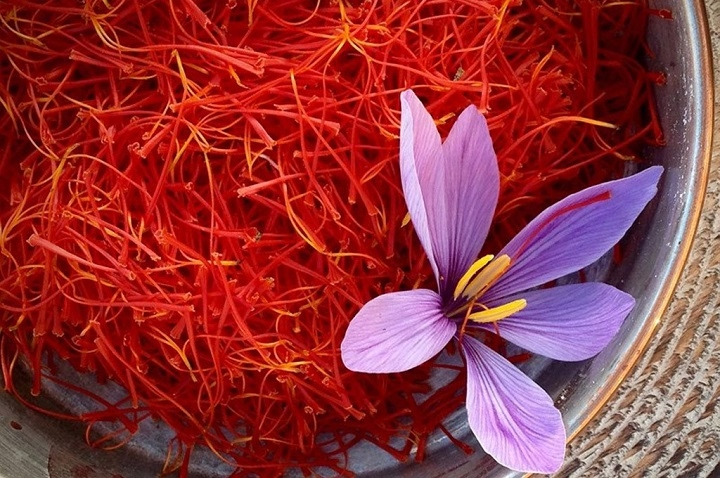
Saffron, known as the “golden spice,” is one of the most sought-after and expensive spices in the world. Its rich color, unique flavor, and health benefits have made it a popular ingredient in cuisines worldwide. However, saffron’s price per gram remains a subject of interest due to its high cost. This article explores the factors influencing saffron’s price, current trends, and global insights into its market.
What Determines Saffron Price Per Gram?
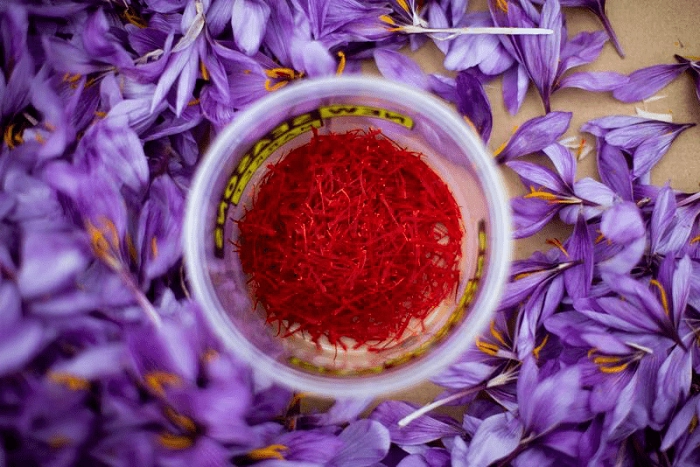
Saffron’s high price per gram is attributed to a combination of factors, including its labor-intensive harvesting process, geographical factors, and its popularity in global markets. Understanding these elements can provide a clearer picture of why saffron is so expensive.
The Harvesting Process
The primary reason for saffron’s high cost is its delicate and labor-intensive harvesting process. Saffron is derived from the stigma of the Crocus sativus flower, and each flower produces only three red stigmas. It takes thousands of flowers to produce just one ounce of saffron, making its cultivation time-consuming and requiring extensive manual labor.
To harvest saffron, the flowers must be picked by hand at dawn when they are still closed. The delicate stigmas are then carefully separated from the flower, dried, and prepared for sale. This meticulous process contributes to the high price of saffron.
Geographical Factors
Saffron is grown in limited regions, and its production is concentrated in specific countries. Iran, India, and Spain are the largest producers of saffron, accounting for the majority of the world’s supply. The climate in these regions plays a crucial role in saffron cultivation. The crop thrives in dry, sunny climates, and the soil must be rich in nutrients.
Because saffron is grown in small areas and requires specific conditions, it can be challenging for producers to scale up production, further driving up the price.
Supply and Demand
The global demand for saffron is consistently high due to its use in cooking, cosmetics, and traditional medicine. Saffron is a critical ingredient in dishes such as paella, biryani, and various Middle Eastern cuisines. It is also used in a variety of health and beauty products, which further increases its demand.
However, the supply is limited by factors such as labor shortages and the impact of climate change on saffron-growing regions. This imbalance between supply and demand leads to an increase in saffron prices, particularly in the off-season.
Current Saffron Price Per Gram
As of recent market trends, the price of saffron per gram has been fluctuating based on quality, origin, and market conditions. On average, saffron costs anywhere from $5 to $15 per gram, depending on the factors mentioned above. However, premium quality saffron, particularly from Iran and Kashmir, can command much higher prices.
Iranian Saffron
Iran produces approximately 90% of the world’s saffron, making it the dominant supplier in the global market. Iranian saffron is renowned for its high quality, rich aroma, and deep color. The price of saffron from Iran can vary, but it typically ranges between $7 and $10 per gram for high-grade products.
Kashmiri Saffron
Kashmiri saffron is another highly prized variety, known for its deep red color and unique flavor profile. It is often considered one of the finest types of saffron globally. Due to its limited production and high demand, Kashmiri saffron can cost upwards of $15 per gram.
Spanish Saffron
Spain, particularly the La Mancha region, is famous for producing saffron with a distinctive flavor and aroma. While Spanish saffron is less expensive than Iranian and Kashmiri varieties, it is still considered high-quality. The price of Spanish saffron generally falls between $5 and $7 per gram.
Trends in the Saffron Market
The saffron market is influenced by various factors, including global economic conditions, changes in consumer preferences, and advancements in saffron cultivation techniques.
Economic Factors
Economic fluctuations can have a significant impact on saffron prices. In times of economic downturn, saffron prices may rise due to increased costs of production, transportation, and import/export restrictions. Conversely, during periods of economic growth, increased consumer spending may boost demand for premium saffron products, further driving up the price.
Climate Change and Sustainability
Climate change poses a growing threat to saffron production. Rising temperatures and unpredictable weather patterns have the potential to reduce saffron yields, which can contribute to higher prices. Additionally, there is growing interest in sustainable saffron farming practices to mitigate environmental impacts and ensure long-term production. Organic and sustainably produced saffron is often sold at a premium price.
Increasing Demand for Organic Saffron
There is a rising demand for organic saffron, particularly in health-conscious markets. Organic saffron is grown without the use of synthetic pesticides or fertilizers, making it a more expensive option. As consumers become more aware of the benefits of organic products, the market for organic saffron is expected to grow, potentially driving prices higher.
How to Choose the Best Quality Saffron
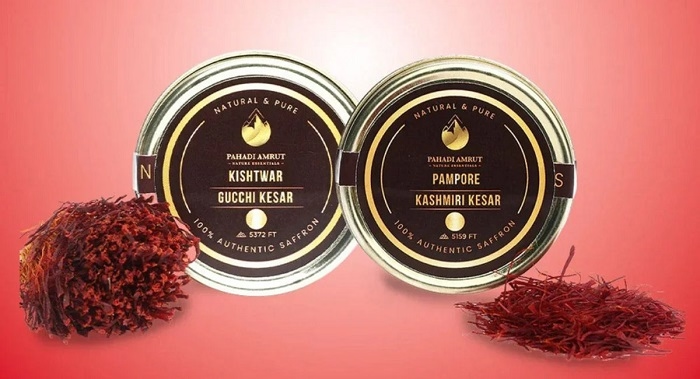
When purchasing saffron, it is important to consider quality to ensure you are getting the best product for your money. The price of saffron can vary significantly based on its quality. Here are some tips for selecting high-quality saffron:
Look for Deep Red Threads
High-quality saffron should have deep red threads, as this indicates that the stigmas have been carefully harvested and dried. Avoid saffron with yellow or orange threads, as these are often a sign of poor quality.
Check the Aroma
Saffron has a distinctive aroma that should be strong and sweet. If the saffron you are considering has a weak or off-putting smell, it may not be fresh or of high quality.
Purchase from Reputable Suppliers
To ensure the authenticity of the saffron you are purchasing, buy from reputable suppliers. Many suppliers offer certifications for organic or pure saffron, which can give you peace of mind regarding the quality of the product.
FAQs
Why is saffron so expensive?
Saffron is expensive due to its labor-intensive harvesting process, limited production regions, and high demand in culinary and medicinal uses. It requires thousands of flowers to produce just one ounce of saffron.
How much does saffron cost per gram?
Saffron typically costs between $5 and $15 per gram, depending on the quality, origin, and market conditions. Premium varieties like Kashmiri saffron can cost more.
What is the difference between Iranian and Kashmiri saffron?
Iranian saffron is the most widely produced and tends to be more affordable, while Kashmiri saffron is considered one of the finest and commands a higher price due to its limited production and unique flavor profile.
Can saffron be grown organically?
Yes, saffron can be grown organically without the use of synthetic pesticides or fertilizers. Organic saffron is often more expensive due to the additional care required during cultivation.
How should I store saffron to preserve its quality?
Saffron should be stored in a cool, dry place away from direct sunlight. Keep it in an airtight container to preserve its flavor and aroma for a longer period.