

Have you ever tapped a button on a website and felt nothing?
No subtle feedback. No visual cue. Just a flat click and move on.
Now imagine the opposite: a soft glow, a slight indentation, a visual nudge that quietly says, “Yes, you did that.” That’s Neumorphism 2.0.
It’s not flashy. It doesn’t scream for attention. But it speaks volumes through quiet design. And today, it’s quietly making a comeback with better function, accessibility, and purpose.
Especially in a fast-paced, image-driven city like Dubai, where brands are competing not just to look good but to feel right, this design style is starting to show up on everything from mobile apps to ecommerce stores.
In this blog, our team of expert web developers in Dubai has broken down some essential elements of this revolutionary style, and how it aids in boosting overall user-experience by adding a sleek, modern, yet aesthetically pleasing layer.
What Is Neumorphism?
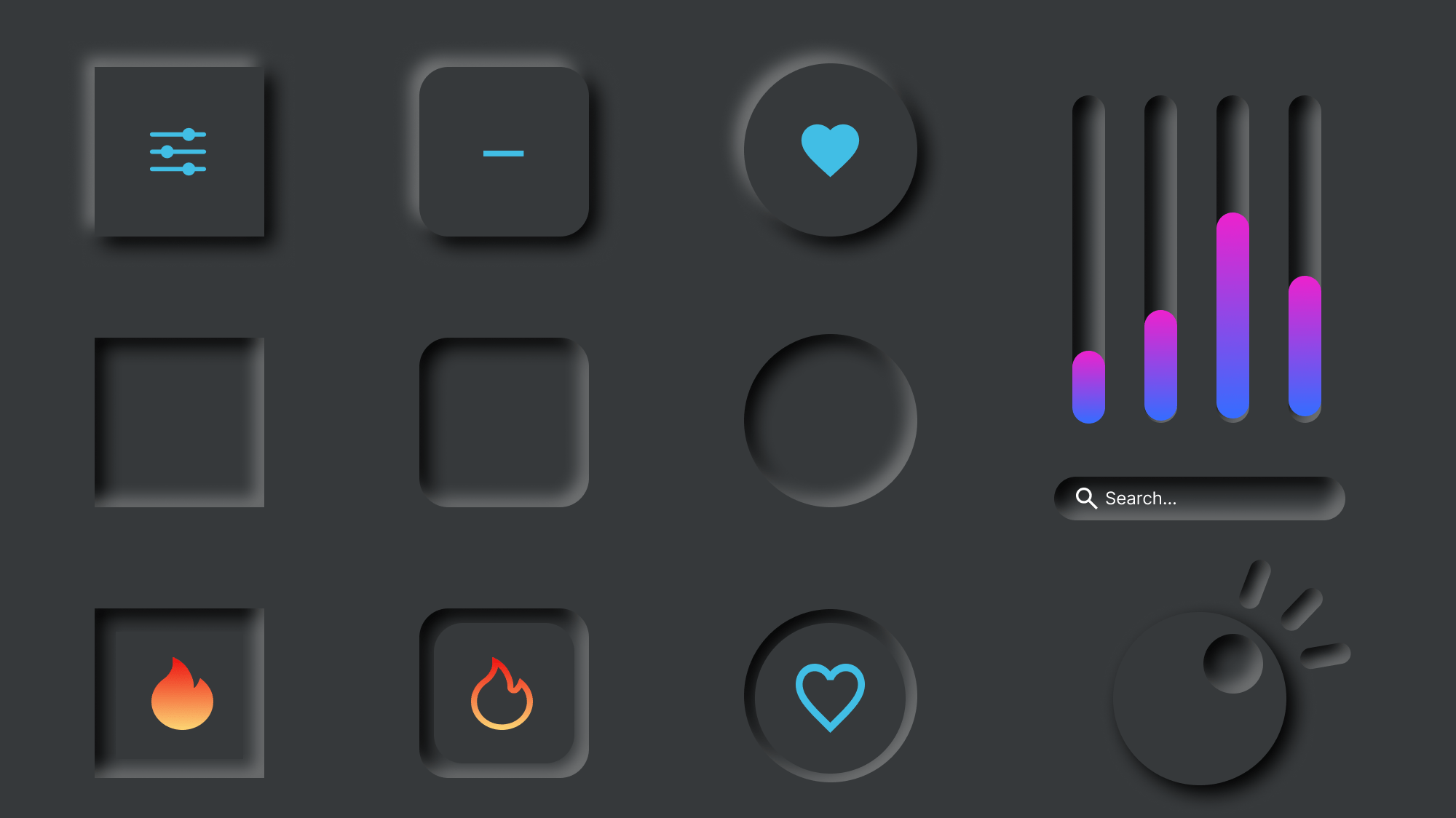
Neumorphism combines the realistic touches of skeuomorphism with the clean simplicity of flat design, creating a soft, modern look that feels slightly three-dimensional. It gives UI elements like buttons, cards, and input fields a subtle, realistic depth using highlights and shadows, making them appear pressed into or raised out of the background.
But not in a dramatic, 3D way. In a soft, almost therapeutic way.
It creates interfaces that feel clean, modern, and lightly textured, like the digital equivalent of suede.
But while it looks beautiful, early Neumorphism wasn’t always easy to use. That’s where version 2.0 changes things.
What Was Wrong with the First Version?
The first wave of Neumorphism was all over design portfolios in 2020. Designers loved how fresh and soft it looked. But real-world users found it confusing.
Here’s why:
- Poor contrast: Interactive elements didn’t stand out clearly.
- Lack of accessibility: Users with visual impairments struggled to navigate.
- Too subtle: Elements often looked decorative, not functional.
- Overuse: Everything blended together, making it hard to focus.
On a basic UI mockup, it looked stunning. But on an actual website? It lacked clarity and speed, especially on mobile.
That’s a dealbreaker in Dubai, where mobile browsing dominates and expectations are high.
So, the design world adjusted. And that’s how Neumorphism 2.0 was born.
What Makes Neumorphism 2.0 Better?
This newer version keeps the soft look, but makes it usable.
Here’s what’s different:
Improved Contrast
Buttons are easier to identify. Shadows are stronger. Interactive elements stand out without losing the soft vibe.
Clear Hierarchy
Designers now use light and shadow more purposefully to show what matters most, where the eye should go, and what users should click.
Accessibility Upgrades
Text is more legible. Color contrast meets accessibility standards. Elements give clearer feedback when tapped or clicked.
Hybrid Approach
It’s rarely used everywhere. Neumorphism 2.0 is now mixed with flat UI and material design to create smoother experiences. Think: soft cards inside a minimal layout.
So instead of making everything look pillowy, designers highlight just the right elements.
And that’s exactly how a skilled web design company in Dubai might use it, strategically, with a focus on performance.
Why Brands Are Adopting Neumorphism 2.0
Dubai’s digital scene is competitive and visual. From real estate to fashion to tech startups, everyone wants to look premium, but also stay fast and intuitive.
Neumorphism 2.0 does both.
- It creates trust. A soft interface feels polished and thought-through.
- It holds attention. The depth and interaction keep users engaged longer.
- It looks high-end. Which aligns with the upscale branding many Dubai businesses go for.
This style especially appeals to:
- Beauty brands and clinics
- Fintech platforms
- Mobile apps
- Boutique ecommerce sites
- Lifestyle coaches and personal brands
If you’re building or revamping your site, it’s worth asking your web design team if this aesthetic fits your audience.
Where Neumorphism Works Best (And Where It Doesn’t)
It’s tempting to jump into a trendy look, but like all design styles, Neumorphism works best in the right context.
Use it if:
- Your brand is lifestyle-focused or premium
- Your site is mostly browsed on mobile
- You want users to feel calm and focused
- Your content isn’t overly complex or dense
Avoid it if:
- Your site has tons of features and data (like a news site)
- Your user base needs high-contrast or quick-access elements
- Your team can’t commit to performance optimization
Design Tips That Actually Work
Thinking of incorporating Neumorphism into your site? Here are some key guidelines that skilled designers usually stick to:
- Maintain a consistent light direction, typically from the top-left.
- Use dual shadows: a light one and a darker one to create depth
- Choose soft, neutral color palettes (light greys, creams, pastels)
- Use the effect sparingly because applying it to too many elements can make the layout feel cluttered or unclear.
- Incorporate micro-interactions like hover effects, gentle transitions, and responsive button feedback to make the interface feel more natural and engaging.
The result is an interface that feels almost physical. Touchable. Relatable. And surprisingly calming.
Performance and Speed Considerations
Neumorphism often involves shadows, gradients, and blur effects, which can slow down websites if done wrong.
That’s why optimization is key.
Leading web design companies in Dubai know how to:
- Minimize CSS and JS
- Use lightweight design assets
- Avoid unnecessary transitions
- Keep load times under control
This is especially critical if your audience is browsing from mobile in high-traffic areas like malls, public transport, or while multitasking.
Final Word
Neumorphism 2.0 isn’t about showing off. It’s about quiet confidence.
It works for brands that want to connect emotionally through visuals, not just display information. When used with intention, it makes the user feel like they’re interacting with something real, not just scrolling through another flat, impersonal website.
If you’re building a brand experience that needs to look polished, feel smooth, and stay functional, Neumorphism 2.0 might be the right fit.
However, although it might sound simple, but adopting and implementing Neumorphism 2.0 might be challenging as there are various technical elements that must be considered for flawless integration. Therefore, instead of doing it yourself, it is best to consult with a professional and experienced web design company that understands how to deal with complex backend and front-end elements to ensure flawless integration.