

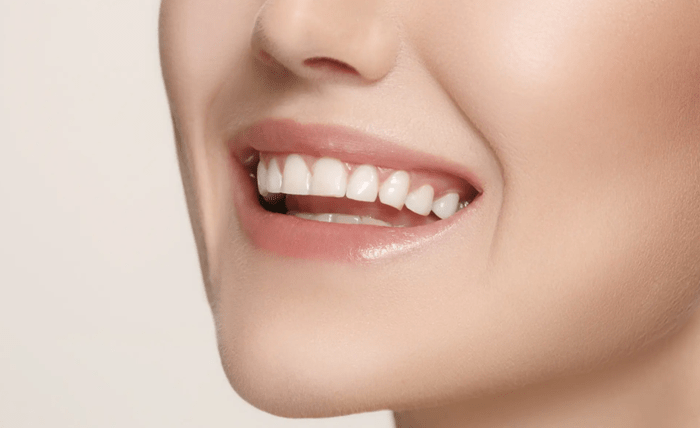
It can be tough to smile with confidence when you’re worried about gaps in your teeth. Thankfully, some options can help you feel great about your smile again. Whether you’re looking for something quick or long-term, there are ways to restore your teeth and boost your confidence.
Keep reading to find out how you can start smiling with pride once more.
Dental Implants
Dental implants are one of the most popular ways to replace missing teeth. They act as strong, permanent solutions that look and feel like natural teeth.
If you’re considering restoring your smile, implants might be a great option. Let’s take a closer look at
what dental implants are, how they work, and the process involved.
What Are Dental Implants?
Dental implants are small titanium posts placed in the jawbone to replace missing teeth. They act as a strong foundation for artificial teeth, such as crowns or bridges.
Once the implant is placed, it bonds with the bone, providing a permanent solution. This helps restore the natural look and function of your smile, making it feel just like real teeth.
How Implants Restore Your Smile
Dental implants provide a strong, natural-looking replacement for missing teeth. After placing the implant, a crown or bridge attaches to it, filling the gap. This improves your smile and makes eating and speaking easier.
Implants also help keep your jawbone healthy by preventing it from shrinking. With implants, you can feel confident and enjoy your favorite foods without worrying about missing teeth.
The Process of Getting Implants
Getting dental implants usually takes a few steps. First, the dentist places the implant into your jawbone. Then, the area heals, which can take a few months.
Once the bone bonds with the implant, the dentist attaches a crown or bridge. The process may take time, but it’s worth it for a permanent, natural-looking solution to missing teeth.
Your dentist will guide you through each step and ensure you’re comfortable. If you’re unsure, you can also refer to your dentist whencomparing tooth replacement options.
Dentures
Dentures offer another common way to replace missing teeth. They help restore your smile and improve your ability to eat and speak.
Whether full or partial, dentures fit comfortably in your mouth. Let’s explore the different types of dentures, their benefits, and how they feel and fit to help you make an informed choice.
Types of Dentures Available
There are two main types of dentures: full dentures and partial dentures. Full dentures replace all your teeth in one arch, while partial dentures fill in gaps when some natural teeth remain.
Both types are custom-made to fit your mouth comfortably. Your dentist will help you choose the right type based on how many teeth you’ve lost and your specific needs.
Benefits of Choosing Dentures
Dentures offer many benefits. They help restore your smile and improve the way you speak and eat. With dentures, you can enjoy a wide variety of foods again.
They also help support the shape of your face and prevent sagging. Dentures are a cost-effective option and can be easily adjusted as your needs change over time. This gives you a comfortable and functional solution for missing teeth.
How Dentures Fit and Feel
Dentures are specifically designed to fit your mouth comfortably. Your dentist will take impressions of your mouth to make sure the dentures fit properly.
When you first get them, they may feel a little strange, but this is normal. Over time, your mouth will adjust, and the dentures will feel more natural. It’s important to follow your dentist’s instructions to keep them clean and ensure a good fit.
Bridges
A dental bridge helps replace missing teeth by using nearby teeth for support. It fills the gap, restoring your smile and making it easier to eat and speak.
Bridges can be a durable solution, offering both function and appearance. Many people choose bridges because they provide a natural-looking result that lasts for years with proper care.
What is a Dental Bridge?
A dental bridge is a fixed dental restoration used to replace missing teeth. It spans the gap between healthy teeth, using them as anchors for a false tooth in the middle.
The bridge stays in place and looks natural. It can restore your ability to chew and speak comfortably while improving the appearance of your smile.
Types of Dental Bridges
There are several types of dental bridges. Traditional bridges place crowns on both sides of the gap to hold the false tooth in place. Cantilever bridges work when only one tooth remains next to the gap.
Maryland bridges attach the false tooth to nearby teeth using a metal or porcelain frame. Your dentist will help you choose the best type based on your needs and how many teeth need replacing.
How Bridges Help Fill Gaps
Dental bridges fill gaps left by missing teeth, helping restore your smile. They also improve your ability to chew and speak clearly. Bridges work by attaching to the surrounding teeth, holding a false tooth in place.
This makes the gap less noticeable and keeps your teeth from shifting. With a dental bridge, you can enjoy a complete and comfortable smile again.
Veneers
Veneers are thin, custom-made coverings that fit over the front of your teeth. They help improve the appearance of teeth that are chipped, discolored, or misshapen. Veneers can give your smile a natural, flawless look. If you’re considering this cosmetic treatment, it’s important to understand the veneers cost and what factors may influence the price.
What Are Veneers?
Veneers are thin, custom-made shells that cover the front of your teeth. Dentists create them from porcelain or resin to improve your smile.
Veneers fix problems such as stains, chips, or uneven teeth. Once attached, they blend with your real teeth and give you a more uniform and bright smile.
Benefits of Veneers
Veneers improve the look of your teeth quickly and easily. They can cover stains, chips, or gaps, giving you a smooth and even smile. Veneers are also strong and durable, lasting for many years with proper care.
They don’t need much tooth removal, making the process less invasive. With veneers, you can enjoy a natural-looking smile that boosts your confidence and enhances your appearance.
Caring for Veneers
Taking care of your veneers is simple and can help them last for many years. Brushing your teeth twice a day with a soft toothbrush and mild toothpaste keeps them looking great. Be gentle when flossing, as harsh movements could damage the veneers.
It’s also best to avoid chewing on hard foods or using your teeth to open packages. Regular visits to the dentist will ensure that both your veneers and natural teeth stay in good shape.
Crowns
Crowns are a great way to restore damaged or weak teeth. They cover and protect a tooth, improving its shape, size, and strength.
Crowns can be made from various materials, offering both durability and a natural look. Let’s take a closer look at how crowns work and why they might be the right solution for your dental needs.
What is a Dental Crown?
A dental crown covers a damaged tooth to restore its shape and strength. It fits over the entire tooth, making it more durable.
Dentists use crowns to repair cracked, broken, or decayed teeth. Crowns also improve the tooth’s appearance, blending in naturally with your other teeth to create a complete, healthy smile.
Types of Crowns
Crowns come in various materials, each offering different advantages. Porcelain crowns blend seamlessly with your natural teeth. This makes them an excellent choice for visible teeth.
Metal crowns are incredibly strong and long-lasting, although they can be more noticeable. Resin crowns are a more affordable option, but they may wear out faster than other types.
Ceramic crowns combine durability and a natural appearance. Because of this, they are more suitable for both front and back teeth.
Be sure to consult with a professional if you’re having second thoughts. Your dentist will guide you in choosing the right material based on the location of the crown and your personal needs.
When to Choose a Crown
You may need a crown if a tooth cracks, decays, or gets damaged. Crowns can restore a tooth’s shape, size, and strength. If you have a large filling and not much tooth left, a crown can protect the tooth from breaking.
Crowns also work well to cover dental implants or support bridges. If a tooth is severely discolored and other methods don’t work, a crown can improve its appearance. Your dentist can help you decide if a crown is the best choice for your needs.
Know the Best Ways to Restore Your Confident Smile
No one should feel bad about their smile. Missing teeth don’t have to be a reason to hide your smile. There are many options to help restore your teeth and boost your confidence.
With the right treatment, you can feel great about smiling again. It’s important to talk to your dentist about what works best for you. Taking action today can help you feel more confident tomorrow.
Did you learn something new from this article? For more tips and guides, keep checking out our blog!