

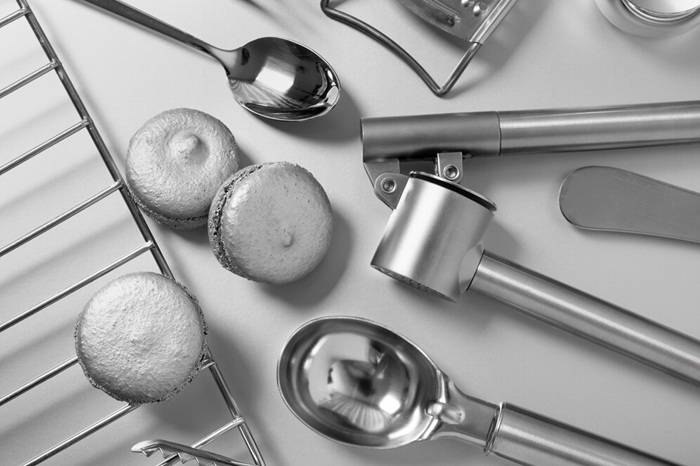
I remember staring at my overflowing kitchen drawers crammed with gadgets I barely used. Sound familiar? From my struggles with kitchen organization while raising five children, I discovered I only regularly used about 20% of my kitchen tools.
Embracing minimalism creates a functional space that makes cooking more enjoyable. I appreciate chef Alton Brown’s philosophy: “The only unitasker allowed in my kitchen is a fire extinguisher.”
In this guide, I’ll share the only 20 kitchen tools you actually need to prepare delicious meals efficiently while keeping your countertops clutter-free. Ready to simplify your culinary life? Let’s begin.
How to Identify Your Essential Minimalist Kitchen Essentials
Determining your true kitchen essentials starts with observing your actual cooking habits. Track which tools you use consistently over two weeks – these are your real essentials. Prioritize versatile items that perform multiple functions well, like a quality cast iron skillet that can sear, bake, and roast.
Invest in quality over quantity – one excellent chef’s knife serves you better than several mediocre ones. Finally, be realistic about storage. Each item should have an accessible home in your kitchen. The following sections outline the 20 tools that meet these criteria for most home cooks.
Essential Cutting Tools
The foundation of any minimalist kitchen starts with quality cutting tools. I’ve narrowed it down to these must-haves:
- Chef’s knife (8-inch): This handles about 90% of all kitchen cutting tasks. Don’t compromise on quality here. A quality chef’s knife makes cooking faster and safer.
- Paring knife: Perfect for detail jobs like peeling apples, deveining shrimp, or precision cutting. A reasonable investment that pays off.
- Cutting board: Wood or high-quality plastic options won’t dull your knives like glass or marble. One medium-sized board can last for years.
- Kitchen shears: Often underrated but remarkably versatile. Use for snipping herbs, breaking down chicken, and opening stubborn packaging.
- Honing rod: Keeps your knives sharp between professional sharpenings. A simple maintenance technique that saves money.
These five items handle everything from fine chopping to butchering, taking up significantly less space than a massive knife block. Quality matters more than quantity.
Cooking Vessels
Cooking vessels are where many kitchens go overboard. I used to have cupboards filled with pots and pans I rarely used. Here’s what you actually need:
- Cast iron skillet (10-12 inch): This is the most valuable player in my kitchen. It sears steaks perfectly, makes delicious cornbread, and even works for deep dish pizza. Plus, it improves with age and use.
- Stainless steel saucepan (2-3 quart): Perfect for soups, sauces, and cooking grains. I’ve tried various nonstick versions, but they don’t last nearly as long as a good stainless pan.
- Dutch oven or large pot (5-6 quart): This substantial pot handles everything from boiling pasta to simmering stews. Mine has been with me through three moves and still performs beautifully.
- Rimmed baking sheet: The unsung hero of my kitchen. I use it for roasting vegetables, making sheet pan dinners, and baking cookies. The rim keeps oils and juices from spilling—a lesson I learned through experience.
- Glass baking dish (9×13 inch): Great for lasagna, casseroles, and roasting smaller cuts of meat. I’ve accidentally dropped mine multiple times, and it still remains durable and functional.
Before adopting minimalism, my cabinets were stuffed with specialized cookware that rarely saw use. Now with just these five vessels, I can cook practically anything. The best part is having organized cabinets where items are easily accessible.
Essential Kitchen Tools
These next five tools might seem basic, but they’re workhorses that earn their place in the kitchen. I use them almost daily:
- Wooden spoon and silicone spatula: Perfect for stirring and scraping every last bit from bowls and pans. I used to have a drawer full of stirring utensils before realizing these two handle most everyday cooking needs.
- Tongs: These function like an extension of my hand when cooking. They flip meat without piercing it, toss salads, and even help me grab items from high shelves when needed. They not only help in food prep but also are handy as a serving utensil.
- Box grater: More versatile than you might think. Besides cheese, I use mine for zesting citrus, grating ginger, and shredding vegetables for slaws. It performs the job of several gadgets in one simple tool.
- Measuring cups and spoons: Essential for accurate cooking and baking. I tried estimating ingredients for years and wondered why my recipes were inconsistent. Precise measurements make a significant difference.
- Colander or strainer: Perfect for draining pasta and washing produce. I had three different sizes before realizing one medium-sized version works for just about everything.
I remember purchasing a garlic press, an egg slicer, and a special avocado tool in the same shopping trip. In retrospect, these five simple tools handle those jobs and many more without cluttering up my drawers.
Kitchen Accessories Worth Having
While not absolutely essential, these items make cooking much easier and replace bulkier alternatives. I consider them my kitchen’s supporting cast:
- Instant-read thermometer: This small tool has saved countless meals from being overcooked. Before getting one, I ruined several expensive cuts of meat trying to guess if they were done. It was also super handy when I was pregnant to ensure meat was cooked thoroughly.
- Immersion blender: A remarkable space-saver. This replaced my full-sized blender and food processor for most tasks. Soups, smoothies, sauces—it handles them all with less cleanup.
- Mixing bowls (nesting set of 3): These don’t just save space—they’re endlessly useful. From tossing salads to mixing cake batter, good bowls earn their keep. Mine are stainless steel and have survived numerous accidental drops.
- Kitchen towels: I use these regularly for cleaning spills, drying hands, and handling hot dishes. They’ve replaced excessive paper towel usage, saving both money and resources.
- Food storage containers: Essential for leftovers and meal preparation. I switched to glass containers a few years ago, and they’re still in excellent condition while my plastic ones always warped or stained.
I spent years accumulating fancy gadgets that promised to make my life easier but ended up creating more clutter. These simple accessories actually deliver on that promise without overwhelming my kitchen space.
What to Skip
Let’s discuss the items you definitely don’t need—and I say this as someone who has learned this lesson through experience:
- Single-purpose gadgets: Those avocado slicers, egg separators, and banana slicers are generally unnecessary. A basic knife handles all these tasks effectively.
- Expensive knife sets: Those fancy blocks with 12+ knives are primarily marketing. Most professional chefs use just 2-3 knives regularly. Save your money and invest in one excellent chef’s knife instead.
- Multiple sizes of the same cookware: You don’t need small, medium, and large versions of everything. One good-sized option of each type works for most households.
- Electric uni-taskers: That quesadilla maker or specialized egg cooker will likely collect dust after the novelty wears off. I still regret the electric s’mores maker I purchased on impulse.
- Novelty kitchen tools: If it looks like it belongs in a late-night advertisement, you probably don’t need it. These gadgets usually solve problems that aren’t actually significant issues.
I once had a drawer so full of specialized tools that it wouldn’t close properly. Now I ask myself one simple question before buying anything: “Can my existing tools already perform this job?” The answer is usually yes.
This minimalist approach works even when you have children. When my kids were younger, I kept our kids’ craft supplies organized with the same principles—focused on versatility and preventing unnecessary accumulation.
Maintaining Your Minimalist Kitchen
Creating a minimalist kitchen is one thing—keeping it that way is another. Here’s what works for me:
Strategies for Keeping Countertops Clear
I follow a simple rule: only three items earn permanent counter space (coffee maker, knife block, and cutting board). Everything else gets stored after use, making my kitchen feel more spacious.
I implement a “one-in-one-out” policy for new kitchen acquisitions. If I bring home something new, something else goes. This prevents accumulation.
Every six months, I evaluate my kitchen tools and donate unused items. It’s surprising how many fall into this category.
This approach to decluttering isn’t just for kitchens—I’ve applied these same principles to declutter my entire home with remarkable results.
Proper Care Routines
Quality tools last longer with proper care. Some simple habits that extend the life of your essentials:
- Hand wash knives immediately after use
- Season cast iron regularly with oil
- Avoid metal utensils on non-stick surfaces
- Store knives properly (not loose in drawers)
- Sharpen knives professionally once yearly
Good storage solutions make a difference. Drawer dividers keep tools organized and accessible. When everything has a designated spot, cooking becomes more efficient and enjoyable.
Frequently Asked Questions
Can I really cook everything with just 15 kitchen tools?
Yes. These 15 essentials handle 95% of cooking tasks for most home cooks. Professional chefs often rely on a similarly minimal set, focusing on quality over quantity.
What’s the one tool worth splurging on?
A high-quality chef’s knife. It’s your most-used tool and will improve your cooking experience daily. A quality knife can last decades with proper care.
How do I choose between stainless steel and non-stick cookware?
Choose stainless steel for versatility and longevity. A single cast iron pan can handle most tasks where you might want non-stick properties.
What if I bake frequently?
Consider adding a whisk and perhaps a stand mixer. Otherwise, mixing bowls and measuring tools from our essentials list cover most basic baking needs.
How do I resist buying trendy kitchen gadgets?
Ask: “Can I accomplish this with something I already own?” and “Will I use this monthly?” Implement a 48-hour waiting period before any kitchen purchase.
What should I look for in kitchen tool quality?
Durability, versatility, and comfort. Quality tools may cost more initially but save money by not requiring replacement. Look for solid construction and appropriate materials.
Final Thoughts
Embracing minimalist kitchen essentials is about intentionality, not deprivation. With just 15 carefully selected tools, you can create virtually any recipe while enjoying a clutter-free cooking environment.
After clearing unused gadgets from my kitchen, cooking became less stressful and more enjoyable. Focus on quality, versatility, and what genuinely adds value to your cooking experience. Start by removing just one unnecessary gadget today—you won’t miss the unitaskers, but you will appreciate the extra space and simplified cooking experience they leave behind.