


Mice can cause significant damage to clothing, leading to frustration and financial loss for many. These pests often chew through fabric to create nests, leaving holes and unsightly marks. Identifying and preventing such damage can save individuals time and money.
Mice are typically attracted to warm, dark places where they can find shelter and food. Closets, attics, and storage spaces often become prime targets for these rodents. Awareness of their habits and early signs of an infestation is crucial for anyone looking to protect their clothes.
Taking proactive measures, such as sealing entry points and employing traps, can reduce the likelihood of mice causing damage. Contacting a professional mice exterminator is often the best bet for effectively dealing with the problem. By staying informed and vigilant, individuals can safeguard their clothing collections from these unwanted visitors.
Understanding Mice Behavior and Damage
Mice exhibit distinct chewing habits, which contribute to the damage they inflict on clothing. Knowledge of these behaviors helps identify and prevent infestations. Assessing the extent of clothing damage is essential for determining appropriate remediation steps.
Biology of Mice Chewing Habits
Mice have incisors that continuously grow, requiring them to gnaw on various materials to wear them down. This instinctive chewing behavior ranges from soft fabrics to harder substances. Mice are particularly attracted to clothing made from natural fibers like wool and cotton, as these materials provide warmth and sometimes even food remnants.
Their powerful jaws can easily create holes, fray edges, or even destroy garments. Mice may also leave behind urine and droppings, introducing health risks. Identifying the presence of these signs is crucial for timely intervention.
Assessing Clothes Damage by Mice
To assess clothing damage, thoroughly inspect garments in areas where mice are suspected. Look for visible holes, frayed edges, or droppings nearby. Damaged clothing often carries an unpleasant odor due to the combination of urine and nesting materials.
It’s essential to categorize damage based on severity. Minor damage may include small holes that can be repaired, while severe cases might require disposal. Documenting the extent of damage can assist in reporting infestations. These measures can quickly prevent further destruction and help maintain a pest-free environment.
Protection Strategies for Clothes
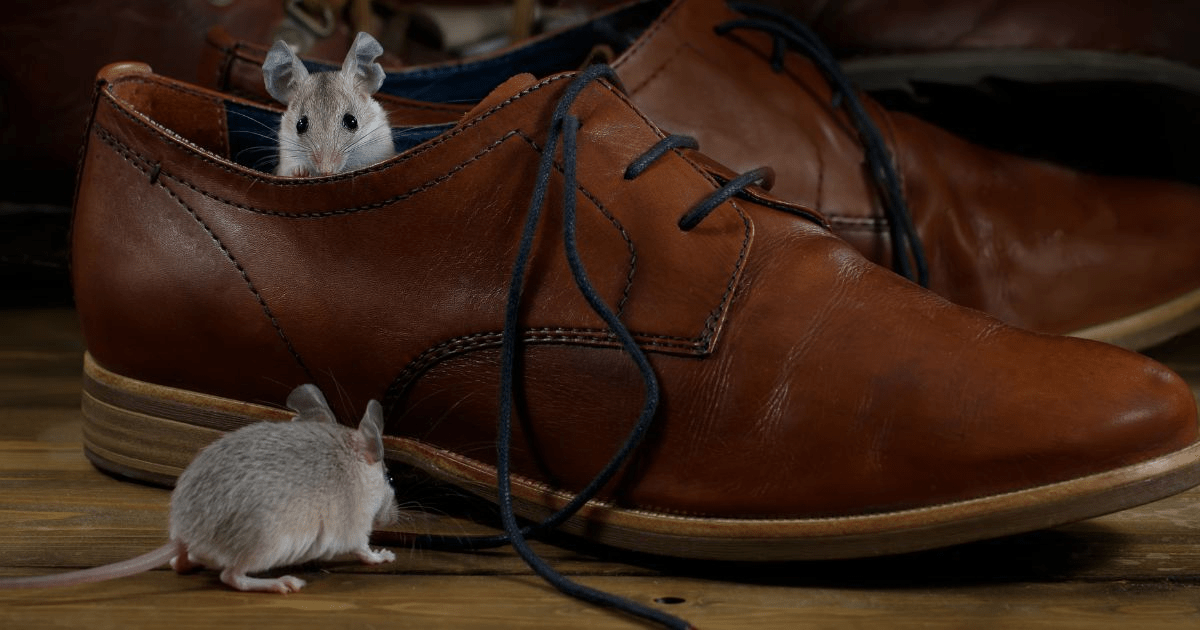
Taking proactive measures can significantly reduce the risk of mice damaging clothes. Individuals can create an environment less inviting to these pests by using certain materials and adopting specific household practices.
Materials and Practices to Deter Mice
Using specific materials can effectively deter mice from accessing clothes. Sealable storage containers, such as plastic bins with tight-fitting lids, prevent mice from getting to garments. Mothballs or essential oils like peppermint can create an unappealing scent for these rodents.
Additionally, incorporating cotton or linen storage bags instead of cardboard or paper can reduce the risk of infestations. Keeping closets organized and clutter-free allows for better visibility, making it easier to identify potential issues. Regularly inspecting garments for signs of wear or droppings can help catch problems early.
Household Modifications to Protect Clothes
Making simple modifications can enhance the protection of clothing against mice. Sealing cracks and holes in walls, floors, and around windows will limit rodent entry points. Installing door sweeps can also minimize gaps under doors where mice may enter.
Keeping areas where clothes are stored clean and organized is crucial. This includes promptly cleaning up any food spills or debris that could attract mice. Setting up traps or bait stations in strategic locations around the home can help monitor rodent activity and reduce their population. Regularly replacing or maintaining these traps ensures ongoing effectiveness.
Professional Intervention
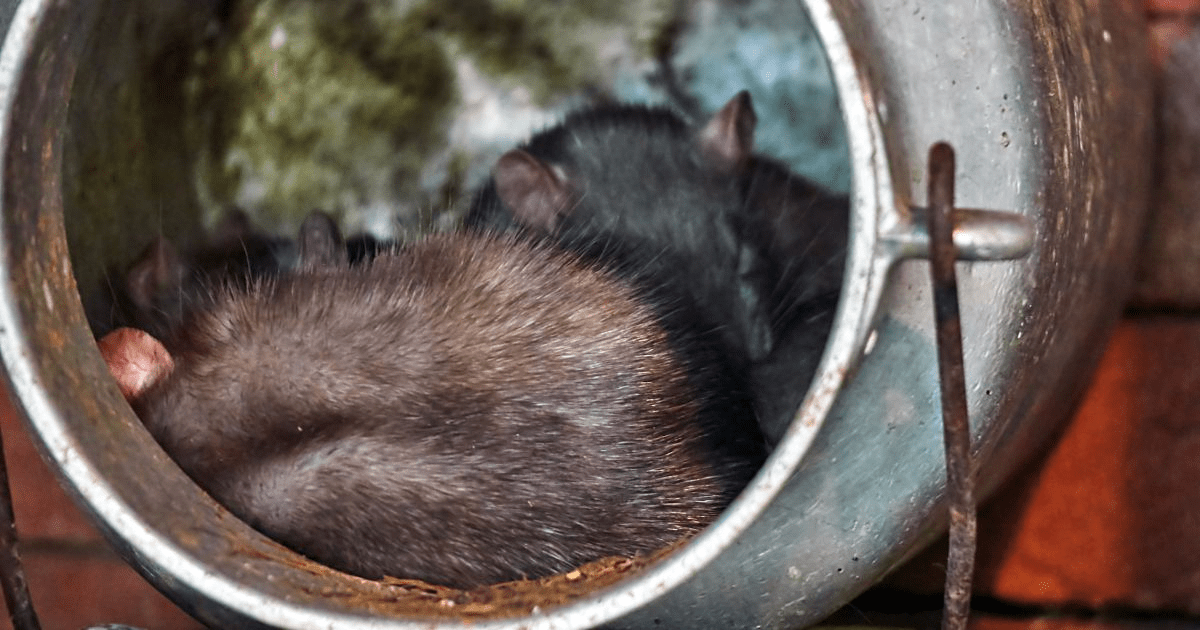
When dealing with mice damage to clothes, professional intervention might be necessary. Knowing to call in experts and what to expect from their services is crucial in managing an infestation effectively.
When to Call a Professional Exterminator
When signs of a mouse infestation become evident, contact a professional exterminator. Indicators include visible droppings, shredded fabric, and gnaw marks on clothing. The problem may extend beyond a small, manageable issue if these signs appear.
Continued sightings of mice indicate a larger population, especially during the day. DIY solutions won’t suffice; the mice could return if removed improperly. Additionally, if health risks arise, such as allergies or diseases, seeking expert help becomes paramount.
Expectations from Extermination Services
When hiring a professional exterminator, clients can expect a thorough property inspection. The exterminator assesses entry points, nesting areas, and the extent of the damage.
Following the evaluation, they will recommend a tailored plan, including trapping, baiting, or sealing entry points. Such services often include follow-up visits to ensure effectiveness.
Clients should also inquire about the products used, ensuring they are safe for home environments. Transparent communication regarding pricing and service guarantees is essential for a smooth process.
Contact Critter Stop at (214) 234-2616 for a free inspection. With a fantastic reputation and positive customer reviews, Critter Stop excels at providing high-quality work and great customer service.