

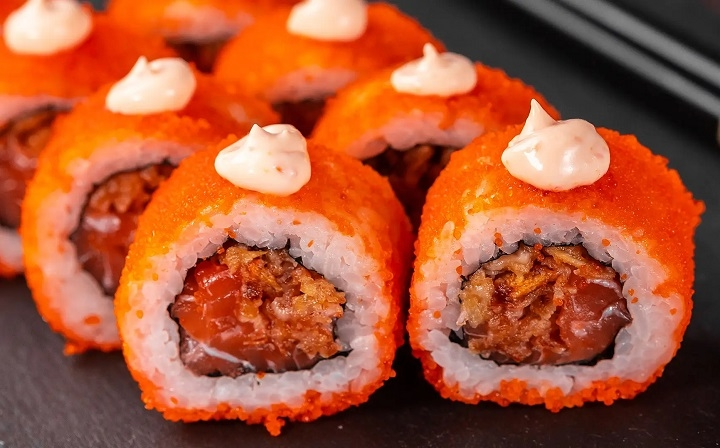
Ever seen those tiny orange dots on sushi? They look bright. They look shiny. They pop when you bite them. Those little beads? That’s Masago. Some folks love ’em. Others don’t even notice. But they’re everywhere in sushi spots. Masago comes from small fish. It tastes mild. It pops soft when you bite. Chefs put it on sushi for color. And texture. And a bit of ocean taste. Simple stuff, but it makes food feel special. But what is masago? How’s it made? What’s it taste like? Is it safe? Let’s break it down easily.
What Masago Really Is
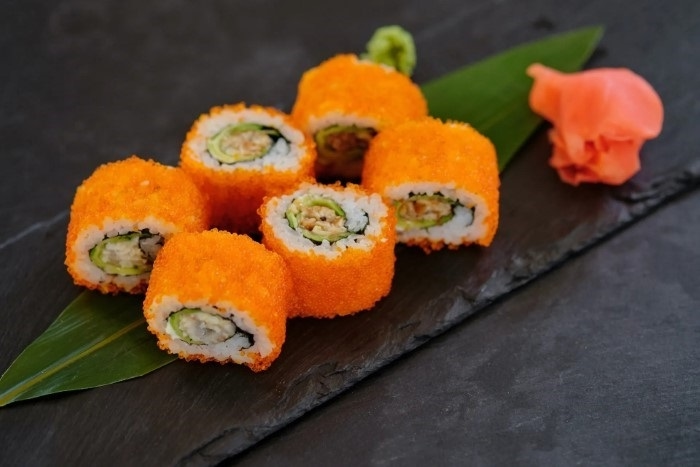
Masago is fish eggs. From a tiny fish called capelin. These fish live in cold water up north. The eggs start pale and soft. Then they turn orange after seasoning.
People mix up masago and tobiko. Tobiko? That’s from flying fish. Masago? From capelin. Masago is smaller. Softer. Cheaper too. Sushi places love it. It adds color without too much crunch.
Here’s what makes masago special:
• Tiny eggs
• Mild taste
• Soft feel
• Bright color
• Cheap price
Looks fancy, right? But it’s super simple.
How They Make Masago
It starts with pale eggs. Inside female capelin fish. Workers collect them. Rinse them. Clean them well. Then they salt the eggs. This keeps them fresh. Safe to eat too. After that? They add flavors. Sugar. Soy. Maybe some spice.
The eggs are pale at first. That orange color? Food dye. Restaurants love the bright look. Make sushi pop!
The steps go like this:
• Get the eggs
• Clean them up
• Salt them good
• Add flavor
• Add color
• Pack for stores
You get a smooth, salty topping. Looks great on sushi!
How Masago Tastes
Masago has a light ocean flavor. Not strong like other eggs. It pops soft when you bite. Not crunchy. Salty, but not too much. People like it. It adds taste without being too much.
The taste? People say:
• Mild
• Ocean-like
• A bit sweet
• Light
• Fresh
• Soft, not hard
Scared of fishy taste? Masago’s a good start.
Why People Love Masago
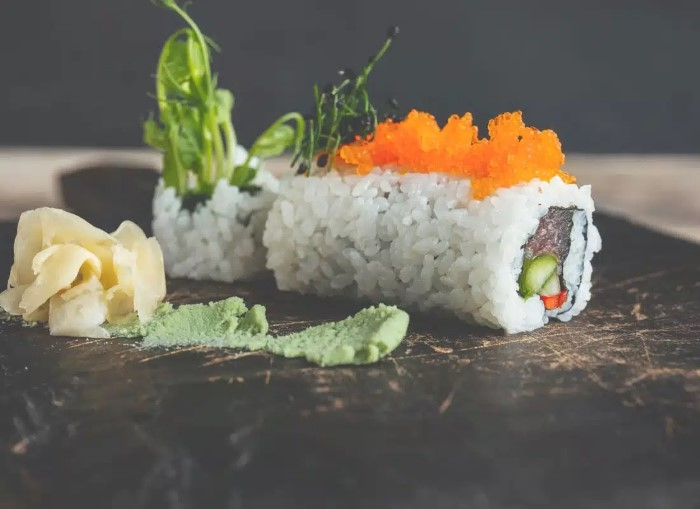
You see masago in sushi. Poke bowls. Lots of Japanese food. Chefs use it for color. For texture. People like it. It’s not too fishy. And cheaper than fancy eggs.
Why it’s popular:
• Looks pretty
• Gentle ocean taste
• Doesn’t cost much
• Goes with sauces
• Soft pop in each bite
• Works in many foods
Even non-seafood fans often like masago!
Read More: Kura Sushi
Where You Find Masago
Masago shows up a lot. Japanese food, sure. But also modern bowls. Fusion dishes. Even snacks.
Common spots:
• California rolls
• Dragon rolls
• Spicy mayo sushi
• Poke bowls
• Sushi tacos
• Raw fish plates
• Seaweed salads
• Rice bowls
• Asian pasta
• On soups
Sushi chefs love it. Makes plates look alive!
How to Eat Masago
Eating masago? Easy! Put it on sushi. Mix in sauces. Spread on rice. Or just enjoy poke.
Simple ways to try it:
• Top sushi rolls
• Mix with spicy mayo
• Stir into rice
• Put on ramen
• Add to salad
• Top poke bowls
• Mix in aioli
• Put in hand rolls
• Spread on crackers
Goes great with creamy stuff. And crunchy veggies too.
Masago vs Tobiko
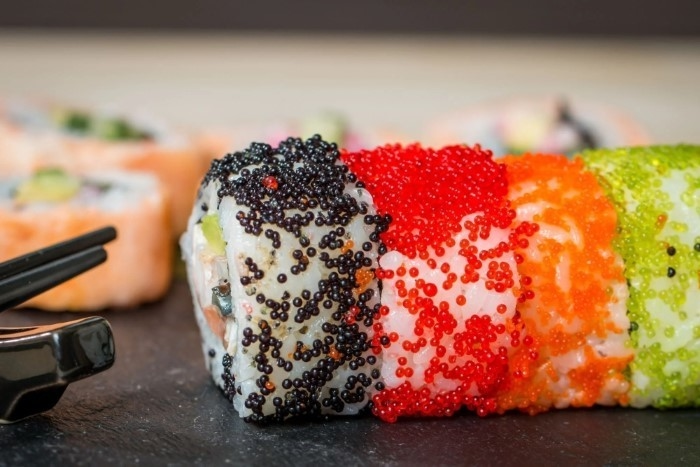
People mix these up. Both are fish eggs. Both on sushi. Both bright colors. But they’re different!
Here’s the deal:
• Masago is smaller
• Masago is softer
• Masago costs less
• Tobiko crunches more
• Tobiko tastes stronger
• Tobiko is brighter
Masago? The gentle one. Tobiko? The loud one. Some chefs mix both!
Good Stuff in Masago
Masago is tiny. But has good stuff inside. Not a super-food. But it has protein. Minerals. Omega oils.
Good things:
• Protein
• Low calories
• Omega 3 (good fats)
• Vitamin B12
• Selenium (mineral)
• Magnesium (mineral)
• Helps your brain
• Gives energy
But hey, it’s salty. Don’t eat tons at once.
Watch Out For
Masago tastes good. But there are some things to know.
Things to think about:
• Has salt
• Has fake color
• Maybe has sugar
• Bad for fish allergies
• Might have soy
• Not for vegans
• Not great if you have high blood pressure
Small amounts? Fine. Just don’t eat bowls of it.
Who Should Be Careful
Some folks should limit masago. Or skip it.
That includes:
• People allergic to seafood
• People with high blood pressure
• Pregnant women (the salt)
• People avoiding processed food
• People watching salt
• Vegans
Got health worries? Ask your doctor first.
Masago vs Other Eggs
Masago isn’t the only fish egg. Many types exist!
Quick look:
Caviar:
Strong taste. It costs a lot. Usually black.
Tobiko:
Bigger. Crunchier. Bright colors.
Ikura:
Salmon eggs. Big orange balls. Pop big in your mouth.
Masago:
Tiny. Soft. Mild. Cheap.
Each one’s different. Masago? The lightest. Most flexible.
Keeping Masago Fresh
Masago needs a cold. Restaurants keep it cold. Once open? Eat it soon.
Storage tips:
• Keep it cold
• Seal it tight
• Don’t leave out
• Use fast after opening
• Freeze extras
Goes bad faster than you think. Treat it like fresh fish!
Cool Ways Chefs Use Masago
Chefs get creative. They make sauces pretty. Add texture. Use colors to decorate.
Fun ideas:
• Masago butter
• Masago mayo
• On garlic bread
• In cheese dip
• Masago pasta
• Sushi tacos
• Deviled eggs
• On fries!
Sounds weird? It works! Adds color. Little pops too.
Why the World Loves Masago
Masago got big when sushi got big. People wanted bright toppings. Chefs wanted cheap options. Masago fits perfectly.
Why it works:
• It’s simple
• It’s colorful
• Adds texture
• Easy to use
• Goes with lots
• Makes food pretty
Even non-fish fans often like masago rolls!
Masago? Tiny but mighty. It’s mild. It’s bright. Adds soft ocean taste. Gentle pop too. Chefs love it. Makes food look alive. People love it. Simple and not too strong. Yeah, it has salt. Yeah, fake color. And yeah, don’t eat tons. But small amounts? Adds fun to your meal! Like sushi? Try masago. It’s easy. Cook at home? Sprinkle it on stuff. Bowls. Rice. Sauces. Snacks. It works with lots. Brightens up anything!