


Bladder control can be tricky, but pelvic floor physiotherapy offers a natural, effective solution. If you’re struggling with leaks, urgency, or accidents, strengthening your pelvic muscles could make a big difference. Pelvic floor physiotherapy helps restore control by focusing on the muscles that support your bladder and other organs.
This simple, non-invasive treatment is proven to improve bladder health. By doing targeted exercises and following expert advice, you can regain control, reduce leaks, and enjoy a more confident lifestyle. Let’s dive into how pelvic floor physiotherapy can help you feel in control again.
Introduction to Bladder Control and Pelvic Floor Health
Bladder control is a common concern for many people, and it’s often closely related to the health of your pelvic floor. The pelvic floor muscles support your bladder, bowel, and reproductive organs, and when these muscles are weakened, it can lead to problems like incontinence, urgency, or frequent trips to the bathroom.
Seeking pelvic floor physiotherapy Toronto can be an effective way to improve muscle strength and function, helping you regain control and confidence.
What is Bladder Control?
Bladder control refers to your ability to hold and release urine at the right time. When these muscles work properly, you can easily control your bathroom habits. However, if the pelvic floor muscles weaken or become tense, it can lead to problems like leaking or having to rush to the bathroom.
The Role of the Pelvic Floor
Your pelvic floor is a group of muscles that form a supportive sling at the bottom of your pelvis. These muscles control the opening and closing of the urethra (the tube that carries urine out of your body). A healthy pelvic floor helps you hold urine until you’re ready to go. If these muscles are too weak, it can result in bladder control issues.
Common Causes of Bladder Control Problems
Bladder control issues can happen for many reasons, such as pregnancy, childbirth, aging, or even excess weight. The good news is that with the right exercises and treatment, you can strengthen these muscles and improve your bladder control.
Understanding Pelvic Floor Physiotherapy
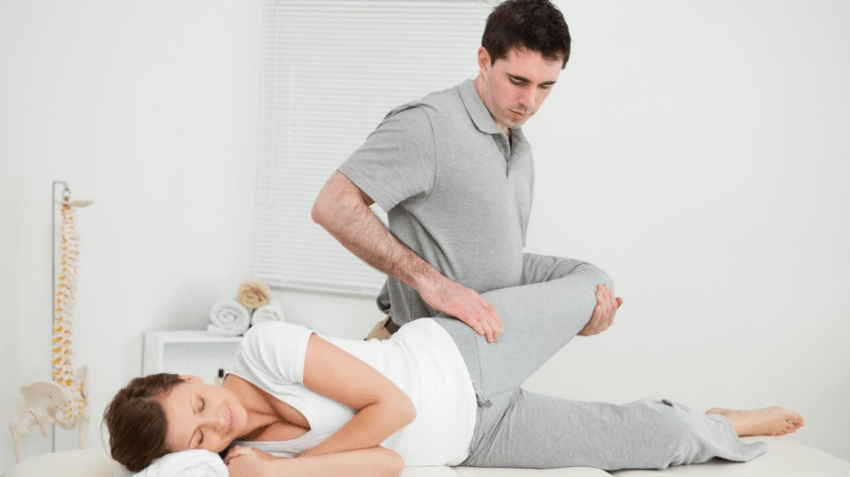
Pelvic floor physiotherapy is a specialized treatment designed to help strengthen and restore the pelvic floor muscles. These muscles play a key role in controlling bladder function, so if you’re struggling with bladder control, pelvic floor physiotherapy can make a big difference.
What is Pelvic Floor Physiotherapy?
Pelvic floor physiotherapy focuses on improving the strength and coordination of the muscles that support the bladder, bowels, and reproductive organs. A trained pelvic floor physiotherapist uses a combination of exercises, manual therapy, and other techniques to help you regain control over your bladder and pelvic health.
How Does it Work?
During pelvic floor physiotherapy, your physiotherapist will first assess the health of your pelvic muscles. They may use a variety of methods, including physical exams, biofeedback, and sometimes even ultrasound. Once they understand your needs, they’ll guide you through specific exercises to strengthen your pelvic muscles, improve flexibility, and enhance muscle coordination.
Why It’s Important
Pelvic floor physiotherapy is non-invasive and doesn’t involve medication or surgery. It’s a natural way to treat issues like incontinence, pelvic pain, and prolapse. By working with a physiotherapist, you can regain control over your bladder and improve your overall pelvic health, allowing you to live a more comfortable and confident life.
Best Pelvic Floor Exercises to Improve Bladder Control
If you’re looking to improve bladder control, pelvic floor exercises are a great place to start. These exercises help strengthen the muscles that support your bladder, reducing leaks and improving overall control. Let’s take a look at some of the most effective exercises you can do to regain bladder control.
1. Kegel Exercises
Kegels are the most popular and effective pelvic floor exercise for improving bladder control. To perform Kegels, contract the muscles you would use to stop the flow of urine, hold for a few seconds, then relax. Try to do 10 repetitions, holding each contraction for 5 seconds. Gradually increase the duration as you get stronger.
Tip: Make sure you’re not tightening your stomach, thighs, or buttocks while doing Kegels. Focus solely on the pelvic floor muscles.
2. Bridge Pose
The bridge pose is a simple yet effective exercise that strengthens your pelvic floor, glutes, and core. To do a bridge:
- Lie on your back with your knees bent and feet flat on the floor.
- Lift your hips toward the ceiling while squeezing your pelvic muscles.
- Hold for 5-10 seconds before lowering your hips back down.
- Repeat 10-15 times.
This exercise helps activate and tone the pelvic muscles while engaging your entire lower body.
3. Squats
Squats not only strengthen the pelvic floor but also improve overall leg and core strength. To perform a squat:
- Stand with your feet shoulder-width apart.
- Lower your body as if you’re sitting back into a chair, keeping your knees behind your toes.
- Squeeze your pelvic muscles as you return to a standing position.
- Perform 10-15 repetitions, ensuring good form throughout.
4. Pelvic Tilts
Pelvic tilts are a gentle way to activate your pelvic muscles and strengthen your lower back and abdomen. To perform a pelvic tilt:
- Lie on your back with your knees bent and feet flat on the floor.
- Tighten your abdominal muscles and push your lower back into the floor.
- Hold for 5 seconds, then relax.
- Repeat 10-15 times.
This exercise helps improve pelvic muscle control and stability, supporting bladder health.
Conclusion
Incorporating pelvic floor physiotherapy into your routine is a powerful way to improve bladder control. By strengthening your pelvic muscles, you can regain confidence and reduce discomfort. With consistent practice, you’ll see lasting benefits, helping you take back control of your life and health.