

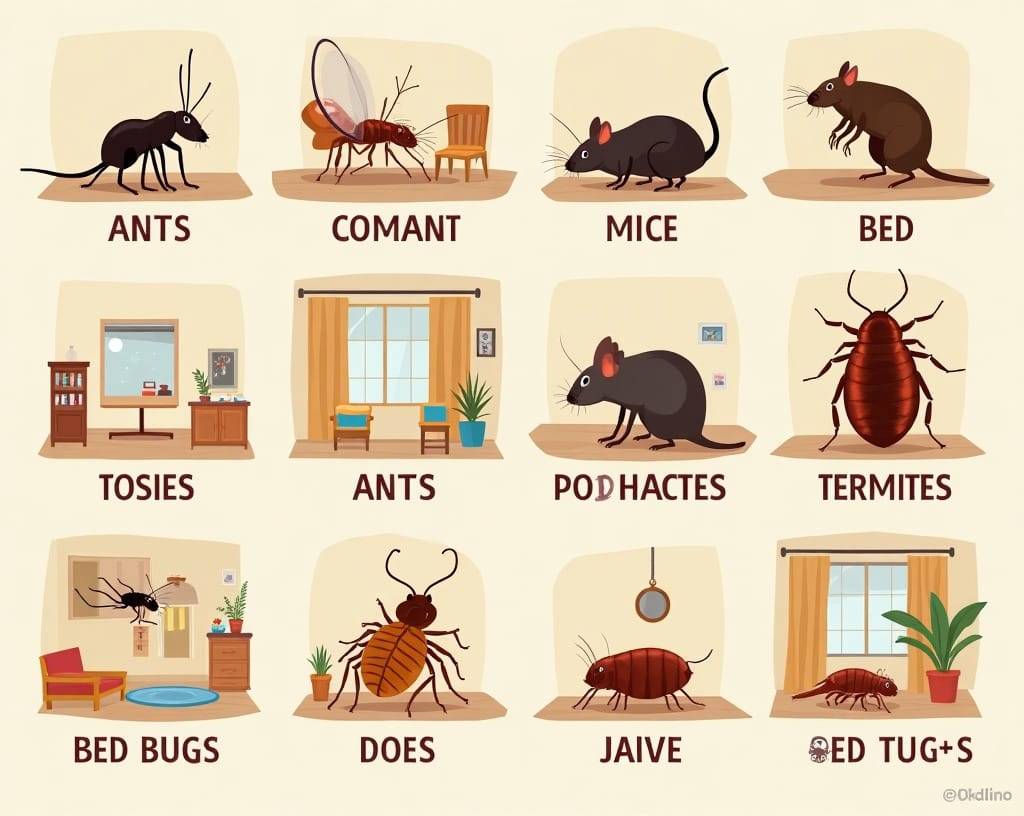
Did you know that insects are thought to be the only animals that compete with humans for food? Yet, for most of us, the primary concern with pests is the discomfort they cause and the disease they carry.
We’ve created this guide to help you discern if your house has an infestation, find an appropriate and safe way to control it, and prevent infestations in the future.
Common Household Pests and What Infestation Looks Like
Pests spread from person to person and from house to house. You’re more likely to have more pests in your home than the less common ones. But you must know what each common type of infestation looks like to correctly identify pests and apply the right control measures.
If you’re responsible for pest management at a commercial premise, you should take pest control courses to ensure you understand safe control methods and when to call professionals.
With that out of the way, here are some common household pests and what their infestation looks like.
Rodents (Mice and Rats)
Rodents are notorious for their rapid breeding and destructive behavior. Signs of a rodent infestation include droppings near food sources, gnawed wires or structural wood, and scratching sounds in the walls or ceilings. They are carriers of diseases and can contaminate foodstuffs and surfaces.
Cockroaches
Cockroaches thrive in warm, moist areas and spread bacteria. They are nocturnal and often hide in cracks and crevices during the day. Their presence can trigger allergies and asthma in some individuals.
Ants
Ants enter homes seeking food, especially sugary substances. They can form long trails and establish colonies in walls or foundations. Some species, like carpenter ants, can cause structural damage.
Bedbugs
Bedbugs hide in furniture and bite at night, causing irritation. They are small, reddish-brown insects that feed on human blood. Infestations can spread rapidly if not addressed promptly.
Wasps and Bees
Wasps can become aggressive if their nest is disturbed. They often build nests in sheltered areas like eaves or sheds. While bees are generally less aggressive, they can still pose a threat if provoked.
Clothes Moths
Moths lay eggs in clothing, damaging fabrics and wool. The larvae feed on natural fibres, leading to holes in garments. Storing clothes properly can help prevent infestations.
How to Control and Prevent Household Pests
Taking proactive measures can significantly reduce the risk of pest infestations.
Seal Entry Points
Block gaps in walls, doors and windows to stop pest access. Even small cracks can serve as entryways for pests. Regularly inspecting and sealing these openings can deter intruders.
Keep Food Sealed and Stored Properly
Store all food in airtight containers to avoid attracting pests. This includes pet food and pantry items. Proper storage denies pests a food source, discouraging them from settling in.
Maintain Cleanliness
Keeping surfaces clean and clutter-free makes the environment less inviting for pests. Regular vacuuming and wiping down surfaces are effective practices.
Remove Rubbish Promptly
Accumulated rubbish can attract pests like rodents and insects. Ensure bins are sealed and cleaned to reduce risk.
Fix Leaks and Remove Moisture
Repairing leaks helps prevent damp environments that pests prefer. Many pests are attracted to moisture-rich areas. Addressing plumbing issues and using dehumidifiers can help maintain a dry environment.
Keep the Garden Tidy
Trim plants, remove debris and check sheds to limit outdoor nesting. Overgrown vegetation and clutter can serve as nesting sites for pests. Regular garden maintenance can deter pests from approaching the home.
Pesticides
Infestations that are not widespead or potentially harmful can be dealt with using commercially available pesticides. Make sure to follow all safety precautions provided with the product.
If you’re using pesticides for work, you should take a health and safety training course on safe handling and use of chemicals to ensure safety and compliance.
Natural Deterrents
Use vinegar, herbs or essential oils to repel pests without chemicals. For example, peppermint oil can deter mice, while vinegar can repel ants. These methods are eco-friendly and safe for households with pets and children.
When to Call Professionals
Not every pest problem can be handled with vinegar and traps. Here are signs that it’s time to bring in the pros:
- Infestation keeps coming back despite efforts to get rid of it.
- Structural damage is visible – chewed wires, holes in walls or sagging floors.
- Pest numbers are increasing or spreading to new areas.
- Safety becomes a concern – aggressive wasps, toxic droppings or harmful bites.
- DIY treatments aren’t working or seem to make things worse.
Professional pest controllers can carry out a full inspection, identify the pest and its source and apply targeted treatments. They can also offer advice on how to avoid future problems.
And when things get out of hand, don’t hesitate to call in the experts. Whether it’s rats in the attic, bedbugs in the mattress or wasps in the shed, professional help can sort it quickly and safely.
Stay vigilant, act early and keep your home pest-free all year round.