

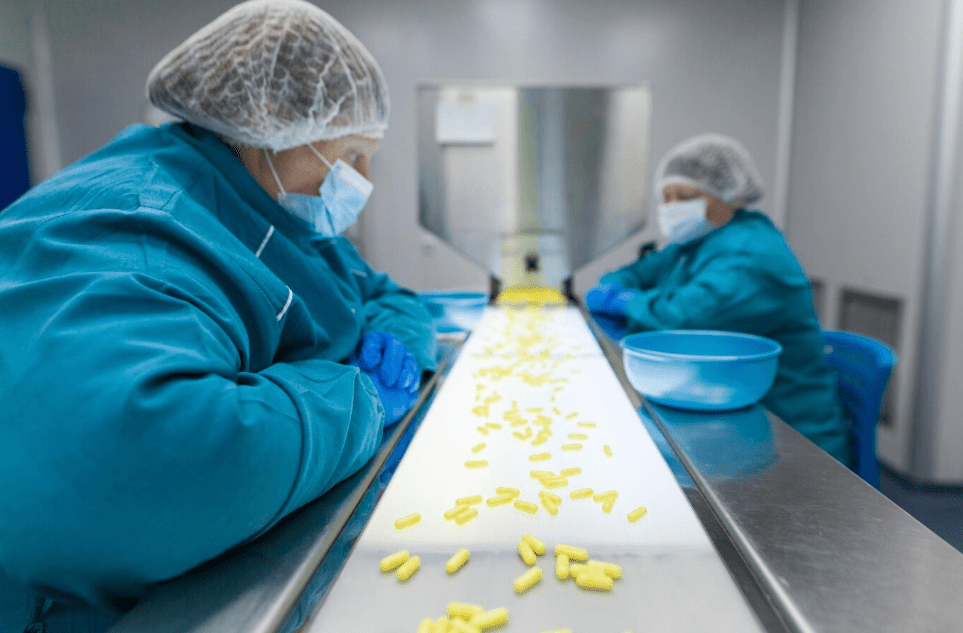
In pharmaceutical manufacturing, maintaining the highest standards of product integrity is crucial. The process involves numerous steps that require precise control and safety protocols, especially when producing drugs, medical devices, and packaging materials. The quality of materials used in manufacturing directly impacts the final product’s effectiveness, safety, and regulatory compliance.
One essential aspect that contributes to the integrity of pharmaceutical manufacturing is the use of high-quality components, such as seals, gaskets, and other materials designed specifically for this industry. Custom rubber products play an important role in these applications by providing reliable solutions that ensure functionality and meet stringent industry standards. In this article, we will go into detail about how these components help the industry.
Meeting Rigorous Regulatory Standards
The industry operates under strict regulatory frameworks designed to protect patient safety and ensure the efficacy of products. These regulations often dictate the materials that can be used in manufacturing processes, including requirements for resistance to contamination, temperature extremes, and chemical exposure. Custom rubber products are designed to meet these specific needs.
For example, rubber seals and gaskets used in equipment must be capable of withstanding extreme temperatures and harsh cleaning protocols without compromising their integrity. Custom-designed rubber products are tailored to meet these criteria, ensuring that they do not introduce contaminants into the production environment.
Enhancing Sealing and Containment Capabilities
In pharmaceutical manufacturing, seals and gaskets are critical for containing the ingredients during processing and packaging. These rubber products are often used to create these seals because of their versatility, durability, and ability to be molded to fit any shape or size required. Proper sealing is essential to prevent cross-contamination and protect the product from external factors, such as moisture or airborne particles.
The flexibility of customized rubber products allows for better sealing solutions, which are particularly useful in high-precision environments such as cleanrooms or during the production of sterile pharmaceuticals. These seals ensure that the products are not exposed to harmful external elements, maintaining both product purity and quality.
Supporting Long-Term Durability and Performance
Pharmaceutical manufacturing processes often involve long production runs, during which components must maintain consistent performance. These rubber products are designed to offer long-term durability, ensuring that components such as seals, gaskets, and tubing retain their functionality over time. This is especially important for the production of medications that have a long shelf life or require precise, ongoing manufacturing conditions.
Such products are engineered with the right materials to withstand continuous use without degrading. For instance, rubber used in machinery must maintain its elasticity and resistance to wear, even after numerous cycles of use. This ensures that the equipment performs optimally without causing downtime or requiring frequent maintenance, ultimately contributing to a smoother and more reliable manufacturing process.
Ensuring Compatibility with Pharmaceutical Ingredients
Another significant consideration is the compatibility of materials with the substances being processed. These products are engineered to work with a wide range of ingredients, ensuring that the rubber components do not react with or degrade the quality of the medications or formulations.
The choice of rubber material for custom products depends on the specific chemicals and substances that will be in contact with the rubber. For example, rubber products used in packaging or production must be chemically resistant to prevent any leaching or contamination. By using custom-designed rubber materials, manufacturers can ensure that their products remain free of harmful interactions and retain their intended properties.
Minimizing Risk and Maintaining Quality Control
Quality control is essential in manufacturing to ensure that each product batch meets the required specifications. These rubber products help reduce the risk of contamination and ensure that the integrity of the manufacturing process is upheld. By using precision-engineered rubber components, manufacturers can minimize the potential for defects or inconsistencies in the final product. Rubber seals, gaskets, and O-rings are integral to maintaining tight tolerances and minimizing variations in the manufacturing process. By using custom solutions, manufacturers ensure that the rubber components fit seamlessly with equipment, ensuring precise function.
The Future of Custom Rubber Products in Manufacturing
As the pharmaceutical industry continues to evolve, so do the materials used in its manufacturing processes. The demand for such products is expected to grow as companies seek increasingly sophisticated solutions for complex manufacturing needs. Advances in rubber chemistry and manufacturing technologies will continue to enhance the capabilities of these custom products, offering even greater precision, durability, and compatibility with applications.
The future of manufacturing lies in the ability to innovate and adapt to new challenges, and these rubber products will continue to play a critical role in ensuring the integrity of the industry. By utilizing these tailored solutions, manufacturers can maintain the highest standards of quality and safety, ensuring that their products are safe for consumers and compliant with regulatory requirements.
Custom rubber products are essential to ensuring the integrity of pharmaceutical manufacturing by providing solutions that meet stringent regulatory standards and enhance the performance of manufacturing processes. Their durability, versatility, and compatibility with ingredients make them invaluable in producing high-quality, safe products. As the pharmaceutical industry continues to innovate, these products will remain a crucial component in maintaining both the safety and efficacy of products.