

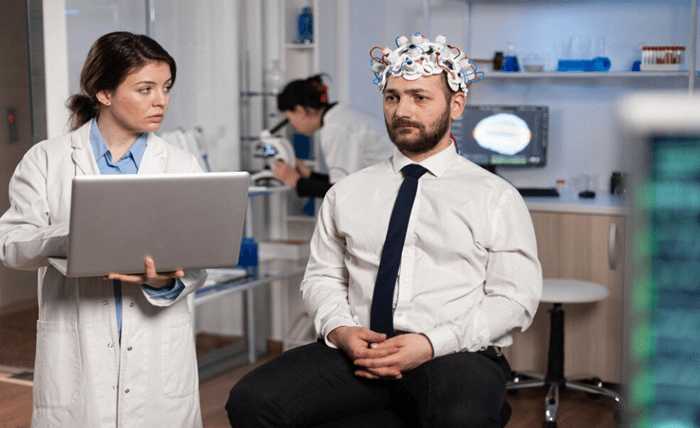
Peripheral neuropathy, a condition marked by damage to the peripheral nerves, can cause chronic pain, numbness, and weakness. Traditionally treatments focus primarily on symptom management, but regenerative neurotherapy is shifing the focus toward healing and repairing the underlying nerve damage. At the heart of this regenerative approach are growth factors that are biologically active molecules that play a crucial role in stimulating cellular repair and regeneration. These growth factors are increasingly recognized as key players in the rebuilding of nerve health, offering hope for more effective long-term treatments for neuropathy patients.
What Are Growth Factors?
Growth factors are naturally occurring proteins or hormones that regulate a variety of cellular processes, including cell growth, differentiation, and repair. In the context of regenerative neurotherapy, growth factors are used to stimulate the body’s healing mechanisms, particularly in damaged nerve tissues. They are critical in orchestrating the complex process of nerve repair, signaling the cells to regenerate and restore proper function.
There are several types of growth factors involved in nerve health, including nerve growth factor (NGF), brain-derived neurotrophic factor (BDNF), and platelet-derived growth factor (PDGF). These proteins are essential for promoting the survival and growth of neurons, which are the building blocks of the nervous system.
How Growth Factors Aid in Nerve Regeneration
One of the most important roles of growth factors in regenerative neurotherapy is to promote the repair of damaged nerves. When nerves are damaged, their ability to transmit signals efficiently is compromised, leading to symptoms like pain, numbness, and weakness. Growth factors help to reverse this damage by stimulating the regeneration of nerve fibers, known as axons, and promoting the health of Schwann cells, which are responsible for insulating and supporting nerve function.
For instance, NGF plays a vital role in the survival and maintenance of neurons. In regenerative neurotherapy, NGF can help prevent further degeneration of nerve cells and encourage the growth of new nerve fibers. Similarly, BDNF supports the survival of existing neurons and stimulates the growth of new neurons and synapses, which are essential for communication between nerve cells. PDGF helps repair blood vessles, improving circulation to damaged nerves and enhancing the overall healing process.
Applications of Growth Factors in Regenerative Neurotherapy
In regenerative neurotherapy, growth factors are often delivered directly to the site of nerve damage through various means, such as platelet-rich plasma (PRP) therapy. PRP, derived from the patient’s own blood, is rich in growth factors and is injected into areas of nerve injury to stimulate healing. The concentrated growth factors in PRP accelerate tissue repair and reduce inflammation, creating an ideal environment for nerve regeneration.
Stem cell therapy is another area where growth factors are critical. Mesenchymal stem cells (MSCs), commonly used in regenerative therapies, secrete growth factors that support the repair of nerve tissues. These growth factors enhance the regenerative potential of stem cells, encouraging them to develop into nerve cells and aiding in the repair of damaged nerves.
Enhancing the Body’s Natural Healing Abilities
Growth factors are not only critical for direct nerve repair but also play a role in enhancing the body’s overall healing abilities. They help modulate inflammation, a key factor in neuropathy, and reduce the immune system’s attack on damaged nerve tissues. By balancing the body’s inflammatory response, growth factors create a more conducive environment for nerve healing and regeneration.
A Future Focus for Neuropathy Care
As research continues to evolve, the use of growth factors in regenerative neurotherapy is gaining traction as a promising approach to neuropathy care. The ability to harness these powerful molecules to repair nerve damage and restore function represents a significant advancement in how we treat peripheral neuropathy.
In conclusion, growth factors play a central role in the future of regenerative neurotherapy by promoting nerve regeneration and supporting overall nerve health. Their ability to rebuild damaged tissues offers neuropathy patients a new hope for long-term recovery and improved quality of life. As regenerative therapies continue to advance, the targeted use of growth factors may become a cornerstone in treating neuropathy, helping to shift the focus from symptom management to true healing.