

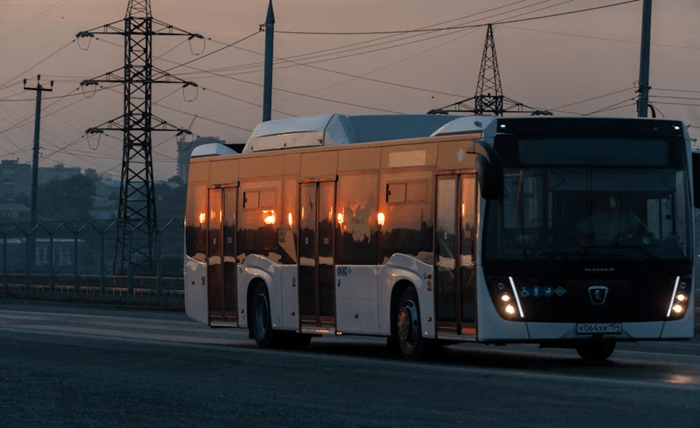
Mexico City might be one of the largest metropolises in the world, but navigating it doesn’t have to drain your wallet. The city’s commitment to accessible mobility means that getting around Mexico City affordably is not only possible—it’s surprisingly easy once you understand the system.
With an extensive public transportation network that connects every corner of this vibrant capital, you can explore ancient ruins, world-class museums, and colorful neighborhoods for just a few pesos per trip. Plus, with cheap flights to Mexico City making the destination more accessible than ever, affordability extends from your arrival to every journey within the city.
Understanding the Mexico City metro guide
The Mexico City Metro maintains its fare at just 5 pesos per ride for 2026, making it one of the most economical subway systems globally. With 12 lines and 195 stations, the Metro provides an efficient and budget-friendly option for traveling around the city. Each line features a distinctive color and unique pictograms at every station, designed to help all passengers navigate easily regardless of language barriers.
To use the system, you’ll need an Integrated Mobility Card (Tarjeta de Movilidad Integrada), which costs 15 pesos. This rechargeable card works across multiple transport systems including Metro, Metrobus, and other public options. One ticket allows you to travel throughout the entire Metro system and transfer as many times as needed at no extra cost, making it ideal for exploring different neighborhoods in a single journey.
The Metro operates extensive hours to accommodate commuters and travelers alike. During peak times—typically between 7:00-9:30 AM and 5:00-7:30 PM on weekdays—trains can become crowded, so plan accordingly if you’re carrying luggage or prefer more personal space.
Cheap transportation in CDMX: metrobus and beyond
The Metrobus costs 6 pesos per ride regardless of distance, offering rapid transit on dedicated lanes that bypass much of the city’s notorious traffic. The system features seven lines connecting key areas from Indios Verdes to El Caminero, Tepalcates to Tacubaya, and includes direct service to both airport terminals. The same Integrated Mobility Card used for the Metro works seamlessly on Metrobus, and transfers between lines are free within the first two hours.
One of the Metrobus system’s greatest advantages is Line 4, which provides direct access between the airport and downtown areas. While regular Metrobus trips cost 6 pesos, the airport route on Line 4 costs 30 pesos—still remarkably affordable compared to taxi alternatives. This connection demonstrates how cheap transportation CDMX extends right from your arrival, eliminating the need for expensive airport transfers.
The Metrobus operates Monday through Friday from 4:30 AM to midnight, with slightly adjusted hours on weekends starting at 5:00 AM. The buses run on elevated platforms with dedicated lanes, meaning you’ll often move faster than cars stuck in traffic while enjoying views of the city at street level.
Public transport in Mexico City: Ecobici and alternative options
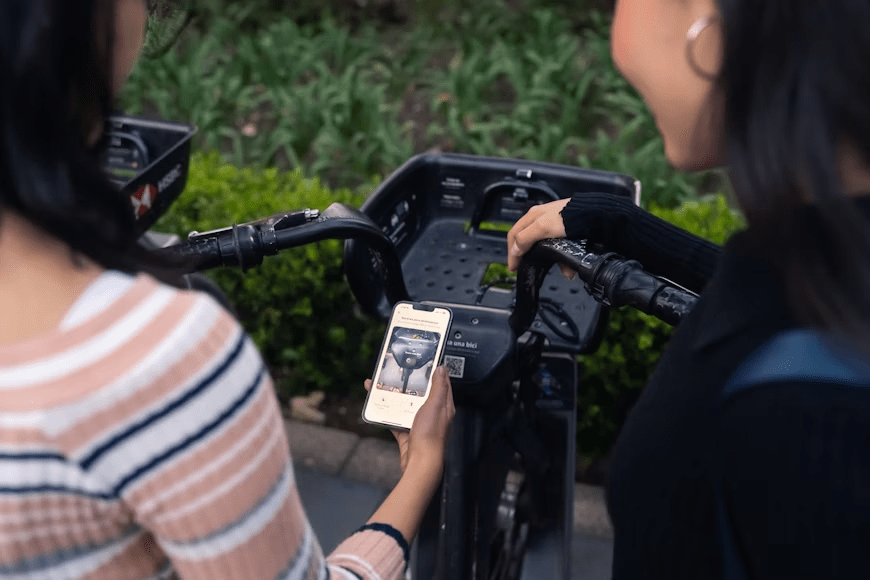
Ecobici operates across 689 stations in Mexico City, with plans to expand the fleet to 15,000 bikes in 2026. This bike-sharing system has become an integral part of public transport in Mexico City, particularly popular in neighborhoods like Roma, Condesa, and Polanco where bike infrastructure is well-developed.
Daily and Short-Term Passes
For visitors, Ecobici offers flexible rental options starting with 24-hour passes that provide unlimited 45-minute rides. Three-day and seven-day passes are available for extended stays, while annual memberships offer the best value for residents and long-term visitors.
Coverage and Expansion
The 2026 expansion priorities include extending coverage toward the north, south, and east of the city, alongside technology upgrades and strengthened security processes. The system operates 24/7 with continuous rebalancing to ensure bikes remain available at high-demand stations throughout the day.
Using Ecobici Effectively
Each ride allows 45 minutes before additional charges apply, which is typically sufficient for traveling between neighborhoods. Simply dock your bike at any station near your destination, and if needed, check out another bike immediately to continue your journey. The system integrates with the same mobility card used for Metro and Metrobus, creating a truly unified transport experience.
Moving around safely: navigating taxis and rideshare options
While public transport offers the most economical options, understanding safe taxi practices remains essential for late-night travel or when carrying luggage. The safest taxi options are official airport taxis booked at kiosks inside terminals, while for everything else, Uber or DiDi provides safer and easier alternatives.
Uber and Cabify are reliable and often quite affordable ride-sharing services in Mexico City. These apps eliminate language barriers, provide transparent pricing, and create a digital record of your journey. During non-peak hours, rideshare costs remain reasonable, especially when split among multiple passengers.
If you must use a traditional taxi, verify that the driver displays a laminated license card with their photo, and ensure the license plate begins with a letter followed by five numbers—the standard for registered taxis. Hotels and restaurants can call registered sitio taxis, which are safer than hailing cabs on the street. However, for most situations, the combination of Metro, Metrobus, Ecobici, and occasional rideshare apps covers virtually all transportation needs while moving around safely.
Connecting the airport to the city center
The Mexico City International Airport sits approximately 8 kilometers from the historic center, offering multiple affordable connection options. Metro Line 5 provides budget-friendly travel, while Metrobus Line 4 directly connects the airport to downtown. Both options cost significantly less than taxis while delivering reliable service.
For Metro access, follow signs to Terminal Aérea station on Line 5 (the yellow line). From there, you can transfer to other lines to reach your final destination. The journey requires navigating stairs and potentially crowded platforms, so consider your luggage situation carefully. The Metrobus Line 4 alternative offers easier luggage handling with dedicated storage space and operates from clearly marked stops at both terminals.
The airport connection exemplifies how getting around Mexico City affordably begins the moment you land. Combined with budget-friendly flights, the entire travel experience—from booking to exploring—remains accessible to travelers on any budget.
Travel the city like a local
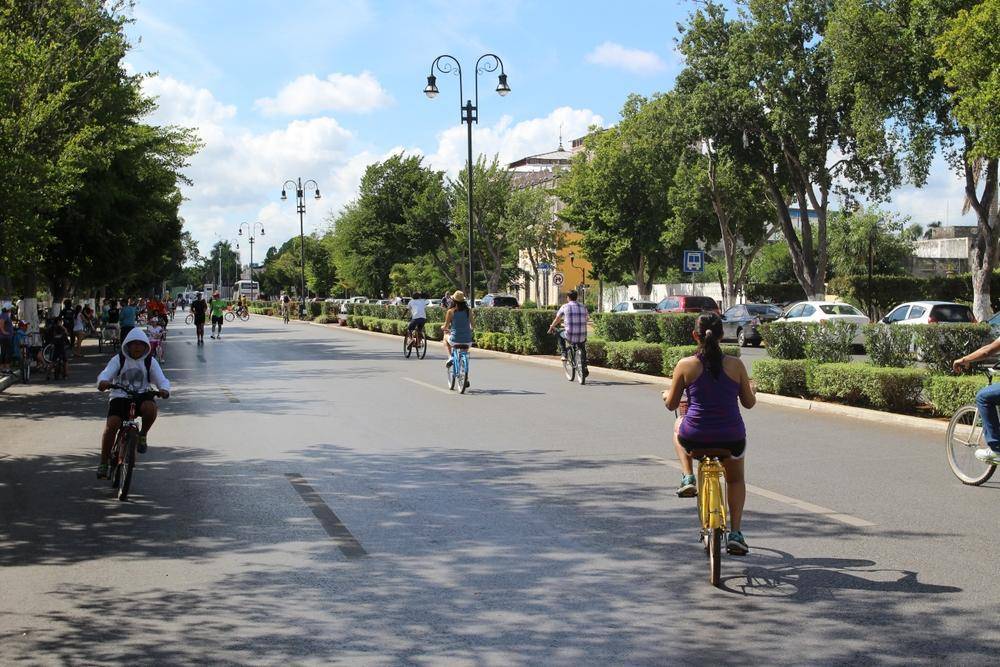
Mastering Mexico City’s transportation system transforms your visit from potentially expensive and stressful to affordable and liberating. The Metro’s extensive network, Metrobus’s efficient routes, Ecobici’s flexible bike-sharing, and strategic use of rideshare apps create a comprehensive mobility solution that costs a fraction of what you’d spend in other major world capitals. With fares frozen for 2026 and continuous infrastructure improvements, the city demonstrates its commitment to accessible urban mobility.
Understanding these options before you arrive allows you to budget accurately and move confidently through this sprawling metropolis. Whether you’re visiting ancient Aztec ruins, exploring trendy neighborhoods, or sampling street food in traditional markets, getting around Mexico City affordably ensures more of your budget goes toward experiences rather than transportation. The city’s remarkable public transport network proves that world-class urban mobility doesn’t require world-class prices.