

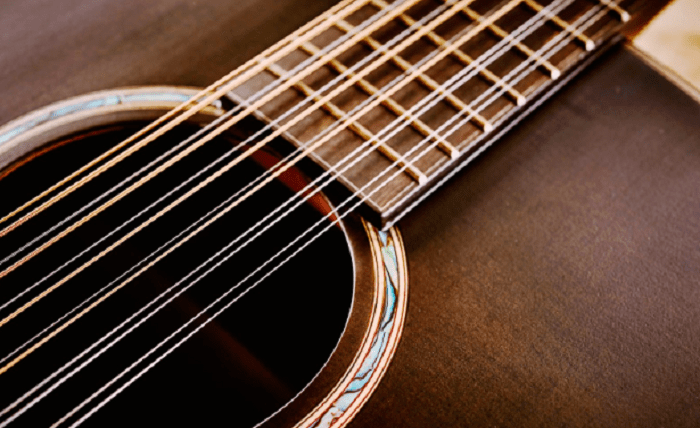
Explore the beauty of shimmering and chorus effects with 12-string guitars.
These guitars have all extra in them.
The benefits include—
- Fuller, richer sound
- Unique tonal quality
- Enhanced depth and sustain to the notes
- Versatility
Any guitar enthusiast would love to exploit these benefits. Why?
Because these help level up the expertise.
Some may call it a slightly tougher version of 6-string. But hey! Challenges make you more polished and finer.
So, what is a 12-string guitar?
It’s mainly a guitar with each string doubled. You get 12 strings in total. Each pair is tuned to the same note. Just one string a tad higher in pitch.
This setup gives you a fuller and richer sound. It’ll be like a chorus. So, when you play a chord, you’ll get a more vibrant and complex sound than the 6-string version.
12-string guitars are perfect for musicians who want to expand their skill and range of music. The target audience can be beginners as well as pros.
Want to know which 12-string guitars to grab? Fret not! Here are the best 12-string guitar options for you to pick!
5 Factors to Consider When Choosing a 12-String Guitar
-
Tonewoods and Construction
Not like any other, regular wood.
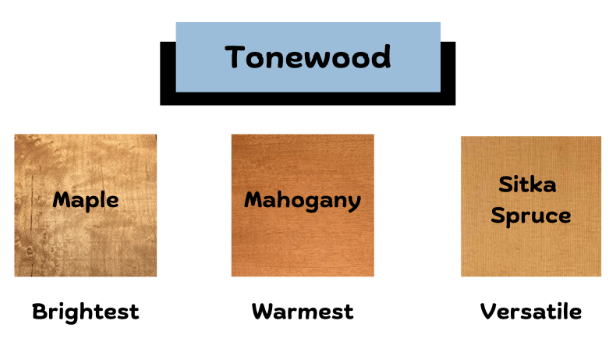
Tonewood refers to the certain kinds of wood used in the instrument. It’s the one that gives a unique voice to your guitar. The material type determines how the guitar would vibrate, which changes the tone.
It works to—
- Influence tone and resonance.
- Influence sound warmth and brightness.
- Determine weight and feel.
- Contribute to tone quality.
Although the range of materials is narrow, a few are popular. As for the 12-string guitar, there’s — spruce, mahogany, rosewood, maple, and ash. All of them have individual characteristics and so do their impacts on the guitar.
The body types of the guitar also influence the tone. Depending on the shape, the guitar sounds different. Some common shapes for the 12-string guitars include– dreadnought, jumbo, grand concert, and orchestra.
For example:
- Bigger-bodied guitars like jumbo and dreads deliver a deeper, bass-heavy tone.
- Smaller counterparts like concerts and orchestras focus more on higher frequencies with clear highs and mids.
Each material or shape has its strengths and weaknesses. So, you can pick any depending on your preferences.
-
Playability
12-string guitars should feel comfortable as you work with them. In this matter, two players work to make them easy to play—
- Neck profile and width
- String Action
Neck profile and width are the size and shape of your guitar’s neck. The variation in neck profile works to influence—
- Ease of access to upper frets.
- Ability to perform particular techniques.
- Overall feel of the guitar’s neck in your hand.
For 12-string guitars, you need something slimmer, but balanced. Because–
A comfortable neck profile and width make it easier to play.
Contrariwise, a too-thick or too-thin neck profile increases the difficulty level in playing.
String action also plays a key role.
Action refers to the height— from the top of the frets to the bottom of the strings.
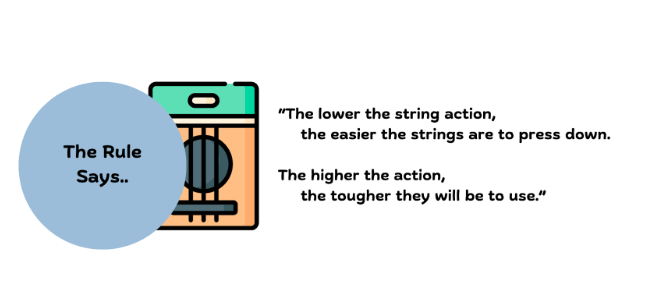
For playability, aim for the lower string action. This will work to minimize hand strain and you can enjoy playing without much pain. Then again, a good setup is important too otherwise you may encounter buzzing issues.
This is a must for 12-string guitars.
Because the added tension from the extra 6 strings can make them harder to play.
-
Electronics
Slightly technical side! However, consider picking 12-string guitars with two built-in electronics. Pickups and preamps.
They both work to enhance (more precisely, amplify) the guitar sound. The process is different anyway.
Pick-ups— Built-in microphone for guitar strings! They capture the vibrations of your guitar, convert them into electrical signals, and finally help amplify the sound.
The device plays a key role in live performances. Because they directly capture the tone and send it to the speakers so your audience can hear it well.
Preamps— First section of the amp. They boost the electrical signals and shape the tone. It makes sure people hear the unique tone of the guitar more properly.
This part is particularly essential for studio recordings. Because they boost and refine the sound to capture the details and richness of your guitar for quality recordings.
If you want a complete package, consider getting a guitar with built-in pickups and preamps. Some options are—
- ZAD900CE 12 String
- Vangoa Advanced 12-String Guitar
-
Budget
A tight pocket doesn’t mean you have to sacrifice quality. Even low-budget models offer the best performance. The trick is to note down your requirements and get the one that matches them.
To give you an idea, here’s an overview of the price ranges—
| Level | Price Range |
| Entry-Level | $100 to $400 |
| Mid-Range | $450 to $1000 |
| Premium | $1000 to $3000 and up |
The best budget 12-string guitars can offer great value for money. Their tonal quality will be decent. You can play different genres like rock, pop, country, jazz, and indie with them. They also have smooth fretboard and decent intonation. So, you get a good balance of quality and cost.
Some options are—
- Zager ZAD900
- Yamaha FG820-12
- Guild D1212
-
Brand Reputation
Reputable brands work like a relief when considering 12-string guitars. Because it’s the quality, performance, and customer satisfaction that helped make them well-known.
So, make sure to pick one from trusted brands. For instance—
- Zager
- Gibson
- Yamaha
- Taylor
- Martin
Their 12-string guitars are popular for their rich tone quality and craftsmanship.
Plus, keep warranty and customer service in mind as well. Having these two makes sure your investment is protected. It means, if there’s any issue, they will be there to address it.
Fortunately, most trusted brands provide these facilities. So, you can consider getting a 12-string model from them.
| Model | Tonewood | Body type | Electronics | Playability |
| Zager ZAD900 | Sitka Spruce, Mahogany | Dreadnought | Fishman transducer | Slim neck profile, low-string action |
| Gibson J-45 | Mahogany, Spruce, Rosewood | Jumbo | LR Baggs VTC | SlimTaper neck profile. slightly high string action |
| Taylor 254ce Deluxe | Sitka Spruce and Rosewood | Auditorium | Taylor’s ES2 electronics | Slim neck profile, low-string action |
| Martin 000-12E | Koa | Orchestra | Fishman MX-T | Slim neck profile, too low-string action |
| Yamaha LL16-12 ARE | Engelmann Spruce and Rosewood | Dreadnought | Yamaha’s SRT Zero Impact pickup | Slim neck profile, Low-string action |
Top 12-String Gutiars of the Year
-
Zager ZAD900
Guitar enthusiasts call ZAD900 an all-rounder 12-string guitar.
This model provides a unique tone and quality. It comes in Sitka Spruce and mahogany which make it durable and a versatile performer. Its dreadnought with Venetian cutaway makes the lows, mids, and highs quite well-balanced.
There’s a built-in Fishman transducer system. So, you’ll find it perfect for both live performances and studio recordings.
The best part of Zager ZAD900 is its playability. You can consider using it all day without worrying about strains and pains. Why?
It’s because the guitar has a slim neck and low-string action. This makes it very easy to reach upper frets so you can try certain techniques. So, the guitar lets you play with ease. Be it a beginner, intermediate, or pro player, it’s perfect for almost everyone.
Features
- Tonewood: Sitka Spruce and Mahogany.
- Body Type: Dreadnought with Venitian Cutaway.
- Electronics: Built-in Fishman transducer system.
- Playability: Slim neck profile and low-string action.
Pros
- Well-balanced trebles, mids, and basses.
- Easy to play.
- Great for studio and stage
Cons
- Slightly pricier than other counterparts.
-
Gibson J-45
A solid pick!
This 12-string guitar by Gibson is a limited drop of J-45. It has the famous tonewood trio– mahogany, Sitka spruce, and rosewood. Not only is it durable but you get an expressive, balanced tone. The Jumbo shape gives you a punchy bass, making it perfect for different genres, especially Jazz.
The LR Baggs VTC pickup system guarantees an onstage tone. You’ll love it, particularly for live performances.
It has a decent playability, mostly due to the SlimTaper profile. This means the guitar will be pretty comfortable. However, the guitar is slightly on the high-string action side.
Features
- Tonewood: Mahogany, Rosewood, and Sitka Spruce
- Body Type: Jumbo (J-45)
- Electronics: LR Baggs VTC
- Playability: SlimTaper neck profile and slightly high string action
Pros
- Rich bass; Well-balanced treble and mids.
- Ideal for stage use.
- Durable.
Cons
- Not suitable for players with less finger strength.
-
Taylor 254ce Deluxe
They say loud and clear!
The Taylor 254ce Deluxe has a Sitka Spruce top. Its back and sides are Rosewood. It comes in Grand Auditorium body shape. This combo works to deliver impressive trebles and mids. The bass may not be too deep but it’s well-balanced.
With the 12-string model, you get ES2 electronics. The pickup and preamp system is incredible since their tone amplification feels rich. So, you can enjoy quality live performances and studio recordings.
The guitar is easy to play. It has a slim neck with low-string action to ensure playability.
Features
- Tonewood: Solid Sitka Spruce top. Rosewood back and sides
- Body Type: Grand Auditorium
- Electronics: Taylor’s ES2 electronics
- Playability: Slim neck, low-string action.
Pros
- Well-amplified tone for both studio and stage.
- Easy to play.
- Crisp highs and mids.
Cons
- Bass isn’t too rich.
-
Martin 000-12E
Enjoy something mellow with this 12-string guitar.
The Martin model has Koa tonewood and comes in an Orchestra shape. Its material makes the guitar sound rich and pronounced in the middle. So, it’s perfect for the one who wants a stronger midrange to get a mellow tone. Because the body type falls on the smaller side, you get well-balanced highs too.
You’ll also love its amplified tone. The guitar has Fishman MX-T electronics and a built-in soundhole tuner. So, you’ll find it suitable for both stage and studio use.
It’s quite easy to play because of the slimmer neck profile. However, the string action is a bit too low. You may need to set it up properly to correct it.
Features
- Tonewood: Koa
- Body Type: Orchestra
- Electronics: Fishman MX-T
- Playability: Slim neck profile. Too-low string action
Pros
- Pronounced mids and well-balanced highs.
- Great for studio and stage
- Ideal for many genres.
Cons
- Requires proper setup to fix too low-string action
-
Yamaha LL16-12 ARE
Rock the stage with this Yamaha 12-string guitar.
This is a dreadnought-style model. The top is Engelmann spruce whereas the back and sides are rosewood. Such a combination makes the guitar deliver rich bass and well-balanced treble. Moreover, it feels solid.
You’ll get a built-in SRT Zero Impact pickup with the guitar. Its tone is so well-amplified that you’ll love it for stage performances.
The guitar feels easy to play because there’s a slim neck and low-string action. So, you can use it for longer periods.
Features
- Tonewood: Engelmann Spruce and Rosewood
- Body Type: Dreadnought
- Electronics: Yamaha’s SRT Zero Impact pickup
- Playability: Slim neck profile, Low-string action
Pros
- Great for stage
- Deep bass. Well-balanced treble
- Durable
Cons
- It’s not for the studio since it lacks preamps.
How To Choose The Best 12-String Guitar For You?
Personal Playing Style
What’s your playing style?
Ask yourself before grabbing a 12-string guitar. This means both the techniques and genre you play.
For this— make sure to learn more about the materials. Because that’s where the varying sound comes from. This tone would tell you how strong it is in the highs, lows, and mids. That way, you get to know what to pick.
Let’s say you play at home or in a studio. Opt for an acoustic 12-string guitar then.
For stage performances, you need an acoustic-electric with built-in electronics.
Skill Level
Just got into the world of guitar or living it for years?
Always buy a 12-string guitar based on your expertise level. Check all the features and mechanisms a model offers. Then pick one accordingly.
Beginners: Newer players! Focus on the playability. This means a comfortable, slim neck profile and low-string action. Such a guitar should be easy to play and won’t cause hand or finger pain. It’s better to start with an acoustic 12-string guitar.
For instance— Zager ZAD900 has a slimmer neck and low-string action. You can try different styles with it and there won’t be any strain.
Experts: For the advanced players. Your target should be sound quality, electronics, and playability. Get one that offers a crisp tone, amplified sound, and ease of play. It all depends on your requirements and playing styles anyway! Then again, some guitars are versatile to suit different players.
For instance– the Gibson J-45 is versatile because of its exceptional sound quality. However, it’s ideal for the ones with high finger strength because of its high-string action.
Budget Considerations
Check your budget!
You can get the best features in both reasonable and premium models. Some brands come with different offers and discounts so you can buy them without breaking the bank.
Value For Money
Most guitars in this range have solid wood made of inexpensive materials like Spruce or Mahogany. Low-cost wood but would last years.
The tone quality will be quite decent. You can play different genres like—- country, rock, jazz, pop, and indie.
You can find both dreadnought and orchestra in low-end models. The best part is low-end options benefit you with ease of playability. So, any newer players can consider buying it.
High-End Features
Such guitars are made of premium tonewoods like high-quality Sitka spruce, rosewood, and maple.
The tonal quality is top-notch. It lets you explore various genres from rock and pop to funk and blues to classical and jazz.
Moreover, higher-end models have solid pickups and preamps. The amplified sound feels rich and clear.
You can start investing in higher models whenever the budget fits, there’s a brand discount, and your skill level strengthens.
Care and Maintenance Tips for 12-String Guitars
String Care
Since 12-string guitars have more tension on the neck, regular checkups are mandatory.
One of the common reasons why strings break easily is that you don’t check properly and change it when needed.
To prevent string breakage: Monitor the changes and replace them accordingly. Experts suggest replacing them once or twice a month for normal strings. If they are high-end strings, replace them once every 2 or 3 months.
Your guitar can go out of tune. This also happens due to damaged strings. Some other causes include— the environment and loose pegs.
Hence, tune the guitar regularly and keep it in tune. You can use a good tuner that’s particularly for 12-strings. That way, you can get it done accurately. If damaged, replace.
Storage
Temperature plays a key role here. Hot weather or higher temps can warp and crack your 12-string guitar. So, make sure to store it somewhere cool and a bit dry.
The ideal temperature for guitar storage is around 66 to 77°F.
You can keep it in a room or closet. This helps maintain temperature consistency, especially under extreme climates.
Make sure to keep it protected from external elements like dust and rain. Use a case for that. If you want maximum protection, opt for a hard case. Target the ones made of hardshell materials like— wood, fiberglass, and injection molding.
If you’re having extremely dry winter months, get a case humidifier. This will work to maintain the moisture levels of the guitar’s wood. That way, the instrument won’t get damaged easily.
The ideal humidity for guitar wood is around 40 to 50%.
Regular Maintenance
Always clean and polish the guitar to keep it in shape. Use a soft cloth and guitar-specific products. For instance— Jim Dunlop’s Guitar Fingerboard Kit or Lemon Oil is great for cleaning.
Make sure to set up the guitar professionally to maintain playability. This includes adjusting—
- Neck
- String action
- Pegs
- Intonation
- Frets
Frequently Asked Questions
What is the best 12-string guitar for beginners?
With ease of playability, versatile Sitka-Mahogamy combination, and rich tonal quality, the Zager ZAD900 is the best 12-string guitar for beginners.
How does a 12-string guitar differ from a 6-string guitar?
The production of tone is the key difference. A 12-string guitar has a fuller, brighter sound whereas a 6-string one produces a warmer, clearer sound.
Can I use a 12-string guitar for any music genre?
Yes. A 12-string guitar is versatile. You can play genres like rock, pop, blues, jazz, country, and folk.
How should I tune a 12-string guitar?
The standard tuning of a 12-string guitar is– E, A, D, G, B, E.
What’s the average lifespan of a 12-string guitar?
12-string guitars can last for many years, even up to 5 decades. It all depends on the upkeep and care.
Do 12-string guitars require more maintenance than 6-string guitars?
Yes. Your 12-string guitars may need more frequent maintenance than your 6-string. It’s because of the additional strings and tension.
Exploit The Versatility Of 12-String Guitars Today!
Getting a perfect match is easy if you’re planning to buy one. You need to keep some factors in mind. First, note down what you are. It means your skill level, playing styles, and requirements.
Then explore the options. The ones that match your list (or at least almost) are your answer.
Still not sure? Although we’ve reviewed 5 top models, you can consider the Zager ZAD900 to start with.