

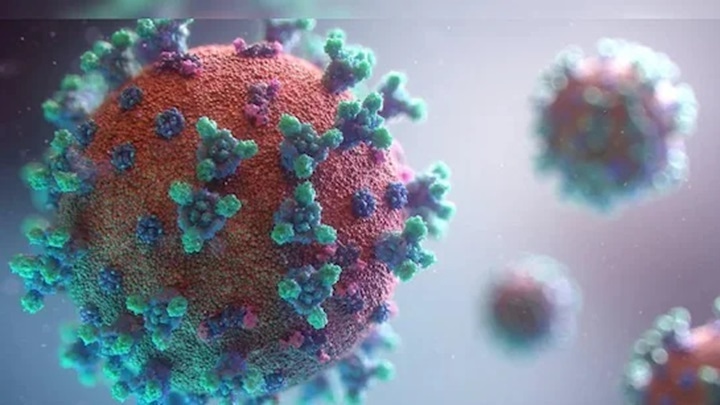
The global fight against COVID-19 continues to evolve as new variants of the virus emerge, challenging both public health strategies and the scientific community’s efforts to maintain control. One such recent strain is the XEC variant, a recombinant version of the Omicron sublineages. As with all COVID-19 variants, understanding its characteristics, transmissibility, and implications is crucial for preventing further outbreaks and ensuring that public health responses remain effective.
In this article, we’ll delve into the origins of the XEC variant, its key features, and what its rise could mean for ongoing COVID-19 management efforts. We will also explore how vaccines and current public health measures might mitigate its impact and what the general population can do to stay safe.
What is the XEC Variant?
The XEC variant is a recombinant strain, meaning it resulted from a combination of two distinct but related strains of the SARS-CoV-2 virus. Specifically, XEC is a hybrid of the Omicron sublineages KP.3.3 and KS.1.1. This fusion of genetic material from different strains occurs when a single individual is infected with more than one variant, allowing the virus to swap segments of their genomes, creating a new, hybrid strain. This process is referred to as “recombination.”
Unlike some of the more incremental mutations seen in previous variants, recombinant strains like XEC represent a more sudden genetic leap. This means that they can potentially introduce new traits—such as changes in transmissibility or immune escape—that weren’t present in either of the parent strains.
Transmission and Spread of the XEC Variant

The XEC variant has raised concerns due to its rapid spread in certain regions, including Europe and the United States. As of mid-October 2024, XEC accounted for over 10% of COVID-19 infections in the U.S., rapidly climbing the ranks of the most common circulating strains. In some European countries, XEC was reported to have surged even more swiftly, surpassing the growth rates of earlier variants in specific regions
The reasons for this rapid spread can be attributed to several factors. First, recombinant strains like XEC may carry advantageous mutations from both of their parent strains, making them more efficient at evading immune defenses. Additionally, the variant’s potential changes in the spike protein, which is the key target for immune response, may further enhance its ability to spread.
One important point to note is that, while XEC has demonstrated a higher transmission rate, it has not yet shown a dramatic shift in disease severity. Similar to other Omicron variants, XEC generally causes milder symptoms compared to the earlier COVID-19 strains like Delta. However, even mild infections can pose risks for vulnerable populations, including the elderly and immunocompromised individuals.
XEC’s Impact on Vaccines
A common concern whenever a new variant arises is whether existing vaccines will continue to offer protection. For XEC, the situation appears cautiously optimistic. Despite being a recombinant strain, XEC remains part of the Omicron family, which is the basis for the current vaccine formulations. The updated vaccines for 2024-2025 were designed to target sublineages of Omicron, and while XEC may have some differences, it is still expected to respond to these vaccines to a significant degree
Public health experts encourage everyone eligible to receive the latest COVID-19 vaccine, which is tailored to combat recent Omicron subvariants. While no vaccine can guarantee complete immunity from infection, these updated formulations are expected to reduce the risk of severe illness, hospitalization, and death. As has been seen with previous variants, even partial immunity can make a substantial difference in controlling the overall burden of the virus.
Also Read: Fall Brunch Ideas
Symptoms of the XEC Variant
The symptoms of the XEC variant are consistent with other Omicron subvariants, featuring a range of mild to moderate respiratory issues. Typical symptoms include:
- Cough
- Congestion or runny nose
- Shortness of breath
- Fever or chills
- Loss of taste or smell
- Fatigue
- Diarrhea
As with other COVID-19 strains, some individuals may experience asymptomatic infections, while others—especially those with underlying health conditions—may experience more severe symptoms. The progression of the disease can vary widely from one person to another, making early testing and isolation critical for limiting the spread.
It’s important to remember that even if symptoms start mild, they can worsen over time in some cases, leading to complications like pneumonia or long-term health issues, often referred to as “long COVID.” Therefore, vigilance and early intervention remain essential for those who contract the virus.
Public Health Measures and Preventative Actions

As XEC continues to spread, health authorities are reiterating the importance of vaccination, testing, and adherence to basic public health measures. In particular, those at higher risk for severe outcomes are encouraged to remain cautious as the virus remains active in communities.
Key preventative actions include:
- Vaccination: The most effective measure remains getting vaccinated with the updated vaccines, which offer substantial protection against severe illness.
- Mask Wearing: In high-risk settings, such as crowded indoor environments or healthcare facilities, wearing a mask can help prevent transmission.
- Testing and Isolation: Early detection through testing remains vital. Anyone who suspects they might be infected or has been exposed to someone with COVID-19 should seek testing immediately and follow isolation guidelines if they test positive.
- Good Hygiene Practices: Regular hand washing, using hand sanitizer, and avoiding touching the face can reduce the risk of transmission.
Additionally, antiviral treatments such as Paxlovid are available and can be prescribed to those who test positive, especially individuals with higher risks of complications.
Future Outlook
As we approach the colder months, when respiratory viruses typically see an uptick in transmission, it is expected that COVID-19 cases may rise again, particularly with new variants like XEC contributing to overall infection rates. Experts predict a potential winter wave of COVID-19 cases, a pattern observed in the previous years of the pandemic.
One factor that may help control this surge is the increased immunity in the general population, both from vaccines and previous infections. However, it’s important not to become complacent. Continuous monitoring of new variants, maintaining vaccination efforts, and adherence to public health guidelines will be key in mitigating the impact of XEC and any future variants that may emerge.
The emergence of the XEC variant underscores the ongoing evolution of the COVID-19 virus. While this recombinant strain has shown increased transmissibility, there is cautious optimism that existing vaccines will offer protection and that public health measures can help control its spread. As with every phase of the pandemic, staying informed and prepared is crucial. By keeping up with vaccinations, following recommended guidelines, and taking personal precautions, we can collectively manage the threat posed by the XEC variant and ensure that we continue to move toward a safer and healthier future.