

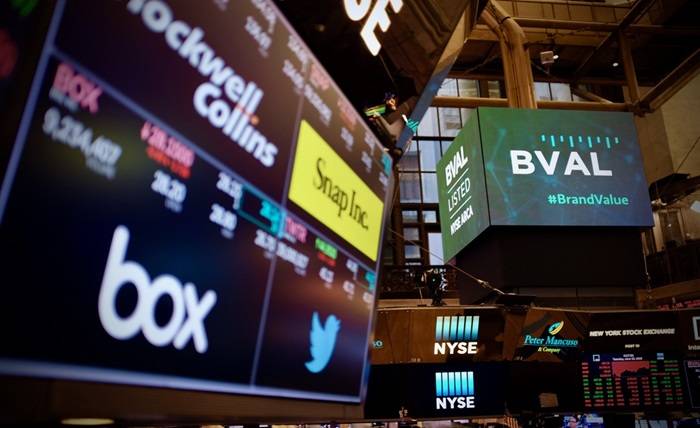
Navigating the intricate world of finance and investment, the stock market serves as a dynamic stage where companies constantly vie to allure investors and bolster their market value. While familiar metrics like revenue, profit margins, and growth prospects significantly shape a company’s stock price, one often underestimated factor is branding. The public perception and image of a company, along with its products and services, can wield a profound influence on its standing in the stock market.
The Essence of Branding
To comprehend how branding sways a company’s stock valuation, it’s vital to grasp the essence of branding itself. Branding is the process of meticulously constructing a unique and recognizable image or identity for a company and its offerings. This image is meticulously nurtured through various channels like logos, advertisements, marketing campaigns, B2B marketing blog, partnerships and the overall customer experience. A robust brand establishes an emotional connection with consumers, instills a sense of trust and reliability, and differentiates the company in a competitive marketplace.
The Value of a Strong Brand
A robust brand emerges as an intangible asset that significantly elevates a company’s position in the market and financial performance. It ushers in numerous benefits that have a direct impact on the company’s stock valuation.
Customer Loyalty
A potent brand fosters loyalty and trust among consumers. When consumers hold a favorable perception of a company’s brand, they are inclined to remain loyal and continue purchasing its products or services. This loyalty sets the stage for recurring revenue and a steadfast customer base, qualities that investors highly value.
Pricing Power
A compelling brand commands premium prices for products or services. Consumers are willing to pay a premium for products associated with reputable and trusted brands. This pricing power can lead to improved profit margins, a pivotal metric in evaluating a company’s valuation.
Competitive Advantage
In a crowded marketplace, a robust brand acts as a formidable barrier to entry for competitors. Consumers tend to hesitate to switch to unknown or untested alternatives when they have a longstanding, positive relationship with a brand they trust. This competitive edge empowers the company to maintain market share, safeguard its revenue stream, and sustain its valuation.
Attracting Investors
A well-regarded brand can make a company more appealing to investors. A company with a strong public image and a loyal customer base is perceived as a more stable and dependable investment. Consequently, it attracts more investors, leading to heightened demand for starlink stock and, in turn, higher stock prices.
Case Studies: The Branding Impact on Valuation
To gain deeper insights into the sway of branding on stock valuation, we can delve into a few compelling case studies.
Apple Inc.
Apple stands out as an exemplary company that has harnessed its brand to amplify its valuation. The iconic Apple brand, characterized by sleek design, innovation, and a loyal customer base, has enabled the company to charge premium prices for its products. This consistent ability to command higher prices has translated into impressive profit margins and generated substantial shareholder value, culminating in a consistently high stock price.
Coca-Cola
Coca-Cola is one of the most recognizable and enduring brands globally. The company’s brand equity not only helps maintain its dominant position in the beverage industry but also contributes to its stock’s long-term performance. Investors cherish the stability and consistent revenue streams that Coca-Cola’s robust brand delivers.
Tesla, Inc.
Tesla’s ascendancy in the automotive industry can be ascribed significantly to its innovative branding. The company has carved a niche as a pioneer in electric vehicles and sustainable energy solutions. Tesla’s brand appeals to environmentally conscious consumers and investors alike, propelling its stock price to unprecedented heights.
Amazon.com
Amazon’s brand is synonymous with convenience, customer-centricity, and innovation. Its e-commerce dominance and successful forays into cloud computing and entertainment have made it a market favorite. Amazon’s brand recognition and its reputation for exceptional customer service have made a substantial contribution to its valuation.
The Dark Side of Branding
However, while a robust brand can fortify a company’s stock valuation, it is pivotal to acknowledge that branding can have a detrimental effect when mismanaged. A tarnished brand image arising from scandals, product defects, or public relations mishaps can precipitate a sharp descent in stock prices. For instance, Volkswagen faced a significant plummet in its stock price and market capitalization following the “Dieselgate” emissions scandal in 2015, underscoring the vulnerability of a company’s valuation to brand-related issues.
Measuring Brand Impact on Valuation
Assessing the precise influence of branding on a company’s stock valuation can be intricate due to the multitude of factors that affect stock prices. Nevertheless, investors and financial analysts have devised various metrics and methodologies to gauge a company’s brand value and its correlation with stock performance.
Brand Valuation
Several organizations, such as Interbrand and Brand Finance, specialize in quantifying the monetary value of a brand. These valuations take into account factors like brand awareness, customer loyalty, and the brand’s contribution to revenue. While the calculated brand value may not precisely signify a company’s stock valuation, it offers a gauge of the brand’s influence on overall company performance.
Consumer Sentiment Analysis
Tools and surveys for sentiment analysis can help in assessing public perception and sentiment regarding a company’s brand. By scrutinizing online discussions, social media sentiment, and customer reviews, companies can gauge the health of their brand and spot potential issues that may impact their stock valuation.
Brand Equity Metrics
Metrics like the Net Promoter Score nps survey tool and brand reputation surveys offer insights into customer loyalty and contentment. These metrics are valuable in evaluating how a company’s brand shapes its customer base and, consequently, its financial performance.
Stock Price Performance: A simple yet effective approach to gauge the impact of branding is to scrutinize a company’s stock price performance concerning shifts in its brand perception. Abrupt alterations in brand image can be linked with corresponding changes in stock price, furnishing insights into the brand’s sway.
Investor Takeaways
For investors, recognizing the significance of branding in the stock market is vital in making informed investment decisions. Here are some key insights to ponder:
- Branding Matters: A robust brand can significantly contribute to a company’s stock performance, ushering in customer loyalty, greater pricing power, and a competitive edge that ultimately reinforces the company’s valuation.
- Brand Management Is Crucial: Companies must meticulously oversee their brands to sustain a positive public image. Errors or unfavorable events connected to branding can trigger declines in stock prices and damage the company’s reputation.
- Diversify Investment Strategies: While branding holds significance, it’s not the sole factor influencing stock valuations. A comprehensive investment strategy should encompass an evaluation of a company’s financial health, competitive positioning, and growth prospects alongside its brand.
- Keep an Eye on Consumer Sentiment: Monitoring consumer sentiment, along with brand valuation metrics, can provide invaluable insights into a company’s brand health and potential hazards to stock valuation.
In summation, branding emerges as a pivotal force in shaping a company’s public image and, consequently, its position in the stock market. Investors and financial analysts must acknowledge the potency of branding as they scrutinize potential investments and make enlightened decisions in the constantly evolving realm of finance.
A robust brand is a prized asset that steers a company’s success and elevates shareholder value, while a tarnished brand can corrode both customer trust and stock prices. In the modern competitive business landscape, branding extends beyond logos and advertisements – it constitutes an integral facet of a company’s financial performance and its stature in the stock market.