

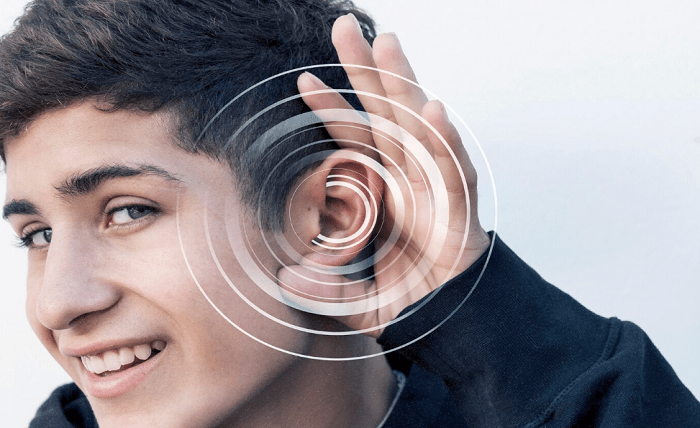
An audio test for tinnitus has a crucial role in understanding and managing this distressing condition. Tinnitus refers to the perception of sound in the absence of external stimuli, often described as ringing, buzzing, or hissing. This condition affects millions of people worldwide, impacting their quality of life, mental health, and personal relationships.
With advancements in audiology, audio tests have become an essential tool for diagnosing and treating tinnitus. This article aims to shed light on the significance of audio tests for tinnitus, exploring the impact of tinnitus on individuals and the role of audio tests in seeking effective relief.
Understanding Tinnitus
Before delving into the role of audio tests in tinnitus, it is vital to comprehend the impact this condition has on those suffering from it. Tinnitus can be categorised as subjective or objective. Subjective tinnitus is the most common form, where only the individual can hear the sound. Objective tinnitus is rare, and the sound can be heard by both the person with tinnitus and the healthcare professional during examination.
Tinnitus can have a significant impact on an individual’s life, affecting concentration, sleep, and overall well-being. It often accompanies hearing loss or ear damage resulting from exposure to loud noises, trauma, or certain medications. With tinnitus being a symptom of an underlying condition, identifying the cause is crucial for developing effective treatment strategies.
Audio Tests for Tinnitus Diagnosis
Audio tests play a fundamental role in diagnosing tinnitus and differentiating it from other auditory conditions. The most common audio tests utilised for tinnitus diagnosis include pure-tone audiometry, pitch matching, loudness matching, and residual inhibition.
Pure-tone audiometry assesses an individual’s hearing thresholds across various frequencies, helping identify hearing loss associated with tinnitus. Pitch matching involves matching the perceived pitch of the tinnitus sound to a range of frequencies, aiding in determining the tinnitus frequency.
Loudness matching measures how loud the individual perceives their tinnitus sound compared to an external sound. Lastly, residual inhibition tests apply a masking sound to the individual with tinnitus to temporarily alleviate or reduce their symptoms, providing valuable insights into potential treatment options.
Seeking Relief through Audio Tests
Audio tests for tinnitus not only aid in diagnosis but also play a crucial role in providing relief and improving the individual’s quality of life. Determining the pitch and loudness of the tinnitus sound helps in developing customised sound therapy approaches, such as using hearing aids or sound generators. These devices emit specific sounds to mask or distract from the tinnitus noise, providing relief and allowing the brain to habituate to the tinnitus signal over time.
Additionally, residual inhibition tests can guide clinicians in identifying appropriate sound therapies for individuals, including tinnitus retraining therapy (TRT). TRT combines sound therapy with counselling techniques to help individuals habituate to their tinnitus and reduces their reaction to the sound.
Impact of Tinnitus on Individuals
Tinnitus can have a significant impact on individuals’ mental health, leading to increased stress, anxiety, and depression. The constant presence of tinnitus sounds can be highly distressing, affecting concentration, productivity, and overall quality of life. Sleep disturbances are also common among individuals with tinnitus, further exacerbating their emotional well-being and ability to function during the day.
Differentiating Tinnitus from Other Auditory Conditions
While tinnitus is often associated with hearing loss, it is essential to differentiate it from other auditory conditions. Audio tests, such as pure-tone audiometry, can help identify the presence and severity of hearing loss and whether it is contributing to the tinnitus symptoms. This distinction is crucial as treatment approaches can vary depending on the underlying cause of tinnitus.
Emerging Technologies in Tinnitus Assessment
Advancements in technology have led to the development of innovative approaches for assessing and managing tinnitus. For example, tinnitus matching software has been developed to streamline the process of measuring the pitch and loudness of the tinnitus sound. This software provides more accurate and precise measurements, enabling clinicians to tailor treatment plans more effectively.
Multidisciplinary Approach to Tinnitus Management
Managing tinnitus often requires a multidisciplinary approach involving audiology, psychology, and otolaryngology. Audio tests form the foundation of this approach, providing audiologists with valuable data to develop a comprehensive treatment plan. Collaboration between professionals helps address the various aspects of tinnitus, including auditory rehabilitation, cognitive-behavioural therapy, and medication if necessary.
Conclusion
An audio test for tinnitus plays a pivotal role in the diagnosis and management of this distressing condition. By utilising various tests such as pure-tone audiometry, pitch matching, loudness matching, and residual inhibition, healthcare professionals can effectively diagnose tinnitus and develop personalised treatment plans.
The ability to identify the frequency, loudness, and potential relief options through audio tests empowers individuals to seek relief, improve their quality of life, and reduce the impact of tinnitus on their overall well-being.