


What’s more rewarding than freeing those we love from addiction’s grip? In 2020, over 284 million faced drug use disorders globally. But addiction isn’t just physical – it’s complicated, involving the mind, relationships, and spirit too. Understanding all these components is crucial for genuine recovery.
Addiction can feel like drowning – individuals fighting desperately for air with no shore in sight. The cravings, withdrawal, and relapse can seem impossible to overcome. But there are lifelines offering hope if we understand the nature of addiction fully. Success requires treating more than just the body. Lasting recovery also means healing the heart, mind, and soul.
This holistic view shapes the most effective emerging approaches today. As our grasp of addiction deepens, so do the paths out. While long and challenging, escaping addiction’s grasp is possible with comprehensive support. The journey begins by recognizing addiction’s many layers.
The Multidimensional Nature of Addiction and Recovery
Addiction affects every part of a person – body, mind, heart, relationships, and soul. Research shows it touches the physical, mental, emotional, social, and spiritual realms. So for real recovery, all of these areas need healing.
Treating only one aspect won’t cut it. Addiction sinks roots through a person’s whole being. Pulling those roots out takes work on all levels. This means looking at the big picture and using different therapies together.
Holistic modalities take this “whole person” approach. They blend diverse treatments to engage all sides of a person. This could mix counseling for the mind, group work for relationships, yoga for the body, and meditation for the spirit. Each part gets care and attention.
This comprehensive approach is becoming increasingly crucial in addiction treatment. It sees the multidimensional nature of addiction itself. Healing happens by nurturing each dimension in turn. Wholeness and wellness can then take root in every part of a person’s life.
Holistic Health Approaches in Addiction Care
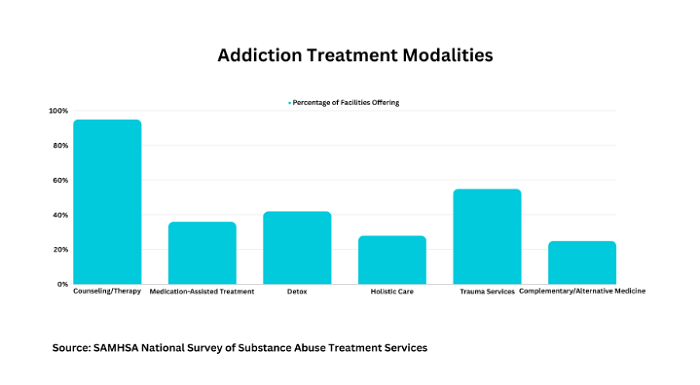
Holistic addiction treatment in addiction care combines mainstream and alternative practices. It combines regular evidence-based therapies with complementary ones. These could be acupuncture, yoga, meditation, art therapy, or nature-based care.
Each element addresses different needs on the path to wholeness. Counseling aids the mind, while exercise benefits the body. Meditation soothes the spirit, and art provides an emotional outlet. Used together, they engage every side.
Cultural diversity in health care is an important consideration for holistic approaches. Treatment programs should be culturally competent and account for the diverse backgrounds and needs of patients. Providers must be sensitive to cultural factors like beliefs, values, and traditions.
This interdisciplinary approach is so powerful because it meets multidimensional needs. Addiction treatment must nurture all facets of health – physical, mental, social, emotional, and spiritual. Comprehensive care for the whole person is key. Each element builds on the others for full, lasting wellness.
Physical Health and Addiction Recovery
Substance abuse takes a major toll on the body. So restoring physical health is a cornerstone of addiction recovery.
Good nutrition helps fix organ damage, increase energy, balance brain chemicals, and lessen cravings. Yoga, exercise, and sports make the body and mind stronger. Holistic care like nutrition, acupuncture, and massage also ease withdrawal symptoms.
Treating the physical brings an empowering feeling of control over one’s body. This boosts motivation to keep recovering.
But physical healing goes beyond just diet and exercise. It also means adequate sleep to help the brain heal. Relaxation practices reduce stress hormones that trigger relapse. Rhythms like daily routines aid recovery too.
Often, addiction stems from a disconnect between mind and body. Reuniting them is powerful. Activities producing endorphins or “feel good” chemicals naturally reduce cravings. Engaging in outdoor adventures and art therapy further integrates the body and mind.
Overall, nurturing physical well-being supports addiction recovery on many levels. A strong and healthy body enhances mental and emotional resilience. Integrative therapies accelerate the healing process. This multifaceted physical care provides the stability needed for long-term success.
Mental and Emotional Wellness in Recovery
Though physical health opens the door, addiction treatment must also target emotional and psychological factors. Counseling approaches help heal these inner dimensions.
Cognitive-behavioral therapy modifies addictive thinking patterns and behaviors. It builds healthy coping skills instead. Mindfulness practices like meditation help objectively observe thoughts and feelings. This reduces reactivity and improves self-awareness.
Processing trauma and root issues through counseling provides emotional release. This inner development is vital for long-term recovery. Art and music therapies encourage self-expression and mental well-being too.
Holistic models support mental health from various angles. Each approach strengthens the others synergistically. For instance, yoga enhances mindfulness meditation. Both boost mental clarity and resilience. Counseling gives skills to navigate challenges. Together, they enable genuine self-care.
Furthermore, group counseling fosters connection and accountability. Shared stories foster hope and diminish shame. A holistic community provides empathy alongside professional treatment.
In short, Comprehensive therapies empower individuals both mentally and emotionally. They restore self-worth, develop self-knowledge, and unlock inner potential. With stronger minds and hearts, individuals gain the self-efficacy to sustain recovery.
Social and Community Aspects in Holistic Recovery
Social connections are crucial for overcoming addiction and holistic recovery. Group counseling provides shared understanding and support. 12-step programs offer peer support, spiritual resources, and a sense of belonging. Developing informal social networks fosters accountability and empathy. Recovery communities combat isolation. Volunteerism and activism give meaning by helping others. Healing through supportive relationships and service empowers individuals socially.
Spiritual Elements in Holistic Addiction Treatment
Addiction and recovery frequently spark profound self-reflection about life’s meaning. Holistic programs include diverse spiritual practices to encourage inner growth.
Meditation builds self-awareness going beyond ego. Yoga philosophy imparts ethical principles and consciousness development. Prayer rituals connect to a higher power. Psychedelic-assisted therapy tries to produce transcendent states. Discovering meaning, connection, and inner freedom contributes to sustaining long-term recovery. Through the incorporation of spiritual elements that foster introspection and transformation, holistic treatment empowers individuals to evolve their consciousness and find purpose in life.
Innovations and Future Trends in Holistic Addiction Care
With the growing acceptance of holistic addiction treatment, innovations and emerging trends will shape future directions. Ketamine-assisted therapy shows potential for the treatment of addiction and mental health issues. Nature-based ecotherapies involve outdoor activities and wilderness immersion for holistic healing. Neurofeedback training may improve cognitive functioning and emotion regulation.
Personalized, integrated therapy programs tailored to genetic, biochemical, and lifestyle factors will allow customized holistic care. Ongoing research, new technologies, and creativity will continue to expand modalities in holistic addiction treatment. Embracing cutting-edge and evidence-based advancements, the future of holistic care appears promising in empowering individuals to achieve long-term recovery.
Overcoming Challenges in Implementing Holistic Approaches
Despite promising evidence, holistic addiction treatment encounters skepticism in some traditional medical environments resistant to integrative approaches. Practical challenges include regulatory issues, insurance limitations, and coordinating diverse providers.
Nevertheless, integrating holistic programs alongside standard therapies enables clinical settings to expand their toolkit while managing risks. Policy changes to fund holistic services can improve access and affordability. Incrementally implementing holistic elements while monitoring outcomes can demonstrate feasibility and build acceptance. Through an open, patient, and data-driven approach, obstacles to holistic care can be overcome to better serve individuals seeking to regain their health and wholeness.
Conclusion: The Indispensable Role of Holistic Care in Addiction Recovery
Holistic addiction treatment successfully engages all aspects of a person—physical, mental, emotional, social, and spiritual—to address substance abuse’s multidimensional nature. Integrating conventional and complementary holistic therapies enables customized, comprehensive care.
Despite implementation obstacles, holistic approaches’ proven benefits demonstrate their vital role in addiction care’s future. The holistic model provides hope for transforming lives burdened by addiction.
Frequently Asked Questions
What sets addiction treatment apart from approaches?
Holistic addiction treatment offers a more comprehensive approach by combining various therapies such, as yoga, meditation, art therapy, and spirituality with evidence-based methods like counseling, medication, and 12 step programs. This allows for a rounded approach to care that is tailored to meet the needs of each individual.
What evidence supports the effectiveness of approaches in addiction recovery?
Research on practices like mindfulness, exercise, nutrition, acupuncture and nature therapy has shown outcomes in recovery when used alongside traditional treatments. Moreover, many treatment centers that integrate these approaches have reported success based on feedback and long-term recovery measures.
Can holistic care be personalized for each individual?
Absolutely. A fundamental principle of care involves customizing treatment plans based on the requirements and preferences of each person. This means selecting a combination of therapies that promote social and spiritual well-being in a manner that is uniquely suited to the individual. Ongoing research, into integrated addiction treatment continues to demonstrate results.