

BP is the pressure of blood against the artery walls.
It is expressed in two numbers, e.g., 120/80 mmHg.
The pressure recorded in the top number is called systolic blood pressure. The pressure recorded in the bottom number is called diastolic blood pressure.
Understanding it can help you to understand your heart and blood vessel health.
What’s a normal blood pressure?
A healthy blood pressure is below:
120/80 mmHg
This means:
- Systolic pressure below 120
- Diastolic pressure below 80
Blood pressure varies during the day. As a result of activity, stress, sleep, hydration and other factors.
What do each of the blood pressure numbers indicate?
There are two numbers in a blood pressure reading.
Systolic Blood Pressure
The top number is the SYSTOLIC blood pressure.
It is the pressure in your arteries during your heart’s heartbeat.
Diastolic Blood Pressure
The bottom number is called the diastolic pressure.
Record the amount of pressure in your arteries between beats.
So, when the blood pressure reading is 118/76, then:
- 118 is the systolic pressure
- 76 is the bottom number (diastolic pressure)
What’s a high blood pressure?
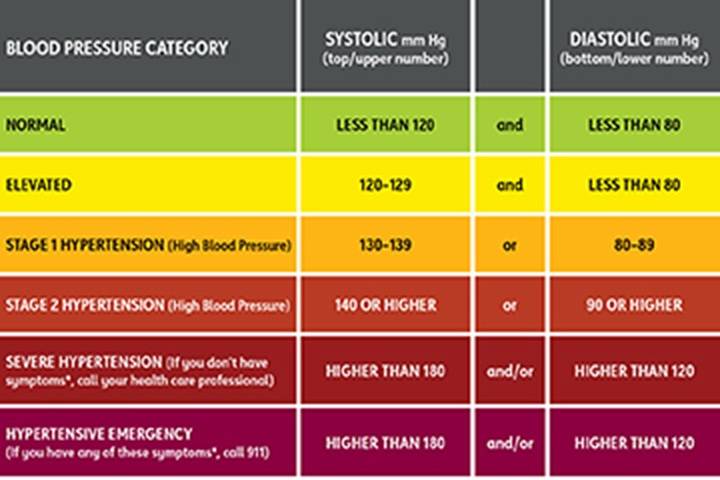
Blood pressure that’s regularly elevated may also be a sign of high blood pressure.
Adults can have any of the following:
| Normal blood pressure | <120 | <80 |
| Normal | Below 120 | Below 80 |
| Elevated | 120–129 | Below 80 |
| High Blood Pressure Stage 1 | 130–139 | 80–89 |
| Normal | Below 140 | Below 90 |
Elevated reading does not necessarily mean high blood pressure.
There is some variability in BP readings that can occur at various times.
What Is Considered Low Blood Pressure?
Some people think that low blood pressure is a blood pressure reading below:
90/60 mmHg
But for some people there is no apparent cause for their low blood pressure, and therefore no symptoms.
If the blood pressure level is low, then it is a problem when the person gets the following symptoms:
- Dizziness
- Fainting
- Weakness
- Blurred vision
- Confusion
- Nausea
The number isn’t as significant as the symptoms.
What is a Normal Blood Pressure?
A blood pressure of 120/80mmHg has been the traditional standard.
The current guidelines, however, consider blood pressure to be normal if it is below 120/80 sys/dias.
Some guidelines might not consider 120/80 as being ‘normal’.
Is there a diurnal variation in blood pressure?
Yes.
The pressure of the blood changes throughout the day.
May increase due to:
- Exercise
- Stress
- Caffeine
- Pain
- Smoking
- Lack of sleep
Can be decreased when at rest or during sleep.
Whether it is your normal blood pressure or not is subjective to each individual.
So How To Properly Take Blood Pressure?
If more accuracy is desired:
- Take 5 minutes or so of quiet time
- Keep back well supported
- Don’t raise your feet off the floor when sitting.
- Keep arm at the level of the heart
- Ensure correct cuff size to make measurements more accurate
- Avoid exercising, smoking or caffeine in the few minutes prior to measurement.
- Avoid talking while the measurement is being taken.
Taking two readings a minute or two apart may give a better idea of your blood pressure.
What Makes High Blood Pressure?
High blood pressure can be linked with:
- Family history
- Older age
- High salt intake
- Being overweight
- Not being physically active.
- Smoking
- Excessive alcohol use
- Stress
- Kidney disease
- Certain medications
Sometimes, it is not known what is causing it.
What can you do to maintain good blood pressure?
A healthy lifestyle can be helpful in maintaining it.
These may include:
- Consuming a well-balanced diet.
- Limiting excess salt
- Staying physically active
- choosing nutritious food options such as fruit and vegetables
- Getting enough sleep
- Avoiding smoking
- Limiting alcohol
- Managing stress
Or high blood pressure sufferers may require medication as well.
When is it Time to Visit the Doctor?
If your blood pressure is high or low all the time, consult your health care provider.
If you have symptoms, such as:
- Chest pain
- Shortness of breath
- Severe headache
- Dizziness
- Fainting
- Vision changes
Some people with high blood pressure or other heart disease may have to have their blood pressure measured often.
When is Blood Pressure an Emergency?
However, if your blood pressure is very high, it may require urgent medical attention especially if you are having severe symptoms.
If you have a very high reading and a combination of any of the following:
- Chest pain
- Difficulty breathing
- Severe headache
- Weakness or numbness
- Confusion
- Vision problems
- Difficulty speaking
A healthcare professional will be able to determine if immediate treatment is needed or not.
FAQs
Normal blood pressure is?
Less than 120/80 mmHg in adults is normal.
What is a good blood pressure?
When adults are feeling well 110/70 mmHg is a good blood pressure.
Most adults have a normal blood pressure of less than 120/80 mmHg.
The pressure in the heart during the pumping phase is in the first number. The pressure when the heart is at rest is in the second number.
One blood pressure reading doesn’t always tell the whole story. It can vary from reading to reading throughout the day.
By monitoring regularly, taking a healthy approach to your body and following medical advice, you can get to know it and control it.