

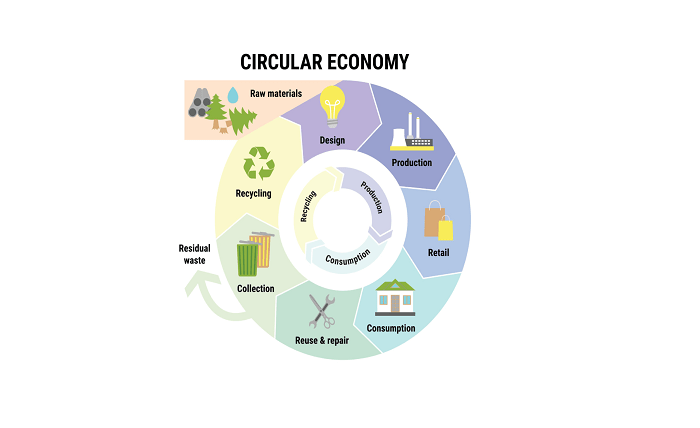
For years, the concept of a circular economy has felt like a distant boardroom ideal rather than a daily reality. We all know we should recycle, but the process has historically been riddled with friction—unclear guidelines, inconvenient bins, and a complete lack of transparency regarding where our waste actually ends up. This is particularly critical when it comes to electronic waste recycling, where the complexity of the materials requires a much more sophisticated approach than a standard blue bin can provide. To truly transform our cities, we need a system where technology, infrastructure, and human participation work in perfect harmony.
The Missing Link in Modern Waste Management
The primary challenge facing our current systems is a massive data gap. Residents often feel their efforts are futile because they cannot see the impact of their actions. Meanwhile, businesses struggle to report on their environmental, social, and governance (ESG) performance because they lack verified data on their waste streams. Without traceability, recyclers are often left dealing with contaminated batches that are expensive and inefficient to process.
This fragmentation slows down the progress of a truly sustainable urban ecosystem. True material recovery happens only when every player in the loop—from the household to the industrial recycler—is connected through a transparent, smarter system. By bridging these gaps, we can ensure that what we currently call “waste” is recognized for what it truly is: a valuable resource waiting to be reused.
A Smarter Approach to Recycling in the UAE
The United Arab Emirates has set ambitious goals for sustainability, aiming to lead the region in green innovation. Achieving these targets requires localized solutions that address the specific logistical needs of the desert climate and high-density urban centers. Improving the standards of recycling in UAE communities involves more than just adding more bins; it requires the integration of AI-powered smart waste management systems that can track every single drop-off in real time.
Platforms like eGreenBadge are tackling this head-on by introducing smart recycling hubs to offices, campuses, and community centers. These hubs aren’t just containers; they are data-collection points that turn recycling into a rewarding experience. Through an intuitive mobile app, users can scan items before depositing them, earning rewards for their positive environmental contributions. This “gamification” of sustainability is what drives long-term behavioral change in communities.
The Power of AI and Real-Time Analytics
Artificial Intelligence is the engine behind this transformation. Traditional waste management relies on manual sorting, which is prone to error and contamination. By using AI in waste management, we can now:
- Identify Material Types: Instantly distinguish between different types of plastics, metals, and paper.
- Estimate Environmental Impact: Calculate the carbon reduction achieved by diverting a specific item from a landfill.
- Detect Contamination: Alert operators when non-recyclable materials threaten the integrity of a batch.
- Track Scope 3 Emissions: Provide businesses with verified data on the indirect emissions occurring in their value chain, specifically regarding packaging and end-of-life disposal.
Empowering Businesses with ESG Compliance
For modern corporations, sustainability is no longer optional—it is a regulatory and financial requirement. Investors and consumers alike are demanding proof of green claims. Many organizations generate massive volumes of waste but have no idea how much of it is actually recycled.
By utilizing a connected waste tracking system, companies can finally unlock the value of their sustainability data. They can monitor the volume of materials recycled, user engagement levels within their staff, and total waste diversion rates. These metrics are fed directly into dashboards that support ESG reporting and climate action plans. It turns an operational headache into a strategic asset that demonstrates tangible environmental leadership.
The 1 Million Drop Challenge: Community Impact
Technology is powerful, but it needs a community to give it life. Initiatives like the “1 Million Drop Challenge” are designed to prove that massive change happens through small, consistent actions. By placing smart bins in highly frequented areas like malls and community centers, recycling becomes a seamless part of a person’s day.
When people see their “drops” accumulating and translating into real-world impact—such as trees planted or carbon tons saved—they are far more likely to continue the habit. This creates a consistent supply of clean, source-separated materials for recyclers, allowing their businesses to grow and further support the local economy.
How the Process Works: From Scan to Resource
The transition from waste to resource is a streamlined four-step process:
- The Scan: A user scans an item using the eGreenBadge app, which uses AI to identify the material and its characteristics.
- The Drop: The user deposits the item into a QR-coded smart bin, verifying the location and time of the recycle.
- The Tracking: The platform logs the weight and type of material, calculating the specific carbon savings.
- The Insight: Businesses and recyclers access this data to improve their efficiency, meet sustainability goals, and ensure compliance with local regulations.
In the End
Building a smarter recycling ecosystem is about more than just managing trash; it is about reclaiming the value of our materials and protecting our environment for future generations. Through the marriage of AI technology and community engagement, we can move away from a “take-make-dispose” model and toward a thriving circular economy. By providing the tools for transparency and the rewards for participation, we empower every resident and business to become a leader in their city’s green transformation. The technology is here, the infrastructure is growing, and the impact is measurable. Now is the time to turn our collective waste into a sustainable future.