

Have you ever glanced up at your roof and thought, “I wonder what’s going on up there?” You’re not alone. Even most of you don’t pay attention until something goes wrong. A small leak, a water spot on the ceiling, or worse, can suddenly grab your attention. The thing is, roofing problems usually start off quietly and get worse over time if nobody catches them. And in a place like Niagara, where the weather can turn on fastly, your roof really takes a beating. That’s why it’s so important to catch issues early, and why having a reliable team like Niagara Roof Masters on your side can save you a lot of stress (and money).
Understand What ‘Normal’ Looks Like
You should get started by being familiar with your roof when it’s in good condition. Look at it from different angles, notice the general layout, color, and shape of shingles, flashing, vents, and gutters. That way, when something looks “off,” you’ll recognize it right away.
If you’re not sure what normal looks like, try taking photos during a professional inspection or on a dry, sunny day. You’ll have a visual reference to compare changes after storms or seasons pass.
Watch for Missing or Curling Shingles
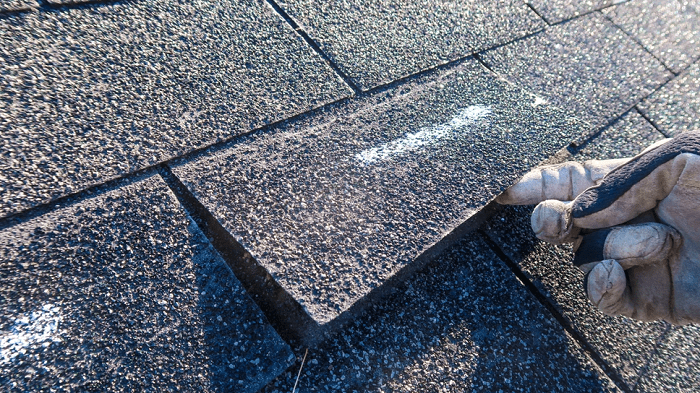
Shingles are your roof’s first defense against rain, snow, and UV damage. When they go missing or start to curl up at the edges, that’s a clear sign something’s wrong. Curled shingles often mean that moisture is getting underneath or that the materials are aging.
Heavy Niagara winds and icy winters can speed up this wear and tear. If you notice bare spots or uneven lines along your roofline, it’s time to act before a leak starts seeping in.
Inspect Your Gutters for Roof Debris
Gutters just don’t keep rainwater away; they also reveal the signs of roof damage. Check your gutters and downspouts for pieces of shingle granules or broken tile fragments. These granules help protect your shingles from sun damage. And losing too many means your roof is aging fast.
If you notice a sudden increase in shingle particles after a storm, it may indicate wind damage or weakened materials that require replacement. Excessive debris in gutters can also clog drainage systems, causing water to back up and seep under your roofline or foundation. Clean them regularly and monitor what’s collecting inside.
Keep an Eye on Water Stains or Ceiling Marks Indoors
Sometimes, the first sign of roof damage isn’t outside—it’s on your bedroom ceiling or in your attic. Yellow or brown stains, peeling paint, or a damp smell can all be signs of a leaky roof. These typically appear after heavy rains or melting snow.
If you see signs like this, act quickly. Make it a habit to inspect ceilings in rarely used rooms like guest bedrooms or storage areas, where unnoticed leaks can do the most damage over time.
Don’t Ignore Sagging or Uneven Rooflines
Your roof should have a consistent slope and structure. If parts of it seem to dip or sag, it may indicate that moisture has entered the support beams. This can lead to a dangerous and expensive collapse if it spreads.
In Niagara, where snow can build up and put a lot of weight on your roof, it’s essential to spot these changes early. Get it checked if anything looks out of line.
Check Flashing and Chimneys for Damage
The metal strips around vents, chimneys, and skylights—known as flashing—are often overlooked but super important. If flashing is cracked, rusted, or missing, water can sneak in even if the rest of your roof looks fine.
Look for signs of rust or lifting around the edges of the flashing, as these are early indicators that repairs may be needed. Inspect these areas regularly, especially after strong winds or ice storms. A little maintenance now can save thousands later.
Pay Attention to Moss, Algae, or Mold Growth
While a bit of green on your roof might look charming, moss or mold is actually a red flag. These organisms trap moisture and weaken roofing materials over time. You’ll often see them growing in shaded or damp areas of the roof.
Cleaning moss isn’t just cosmetic—it’s preventative care. Gently removing it and applying safe treatments can help preserve your roof’s integrity.
Listen for Drips or Taps During Rain
If you’re indoors and hear water dripping or tapping behind walls or above ceilings during a storm, it’s time to investigate. These subtle sounds might signal small leaks that haven’t yet shown visible signs.
Take a flashlight and check attic spaces or wall corners. Early leaks are often easy to patch if caught right away, preventing much larger water damage later on. Don’t wait for visible stains—let your ears guide you to hidden trouble spots.
Schedule Seasonal Roof Inspections
Even with a careful eye, there are some issues you won’t catch without climbing up for a closer look, which can be dangerous. That’s why seasonal inspections from professionals are a smart habit.
Spring and fall are ideal times for inspections in Niagara, helping prepare your home for the region’s harsher weather cycles. They’ll check places you can’t see, use tools to find hidden moisture or structural issues, and provide peace of mind going into winter or after storms. Regular inspections can also help with insurance claims if damage ever occurs.
Act Fast on Small Repairs
One of the biggest mistakes homeowners make is putting off minor roof repairs. Maybe it’s just a missing shingle or a drip in the garage—but these little problems tend to snowball. Fixing them early costs far less than waiting until water seeps into drywall or rots the structure.
Delays not only risk structural damage but can also complicate future insurance claims if the damage is deemed preventable. In Niagara’s freeze-thaw climate, even small cracks can widen quickly. A quick patch now can save you from a major overhaul down the road.
You may forget most of the time about your roof, but it’s always protecting your home. Keeping an eye out for early warning signs like loose shingles, indoor stains, ND debris in your gutter can save you thousands of dollars in repairs. Simple awareness, regular checks, and timely action are all it takes to prevent significant damage. And if you’re ever unsure, Niagara Roof Masters is there to help you stay ahead of the problem. With the proper care and attention, spotting roof damage before it becomes expensive is not only possible—it’s easy.