

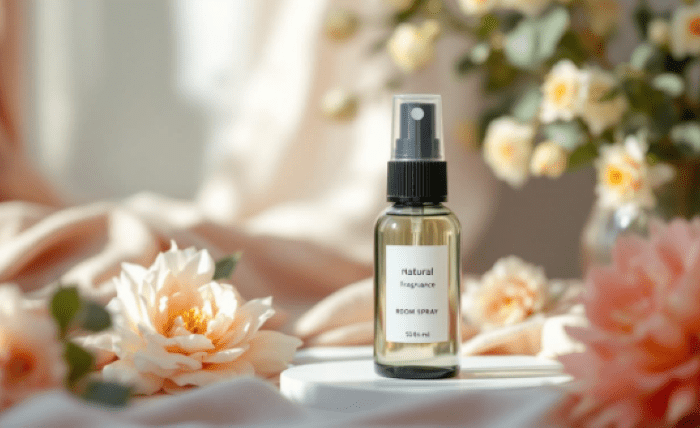
Creating a pleasant atmosphere in your home or workspace can significantly enhance your mood and productivity. One effective way to achieve this is through the use of room sprays with natural fragrances. Unlike synthetic fragrances that can contain harmful chemicals, natural room sprays harness the power of essential oils and botanical extracts to provide a refreshing and invigorating scent. This article explores the benefits, ingredients, and DIY methods for making your own natural room spray, ensuring your space smells delightful while promoting a healthy environment.
Benefits of Using Natural Room Sprays
Healthier Indoor Air Quality
One of the primary advantages of using natural room sprays is the improvement of indoor air quality. Many commercial air fresheners contain synthetic chemicals that can release volatile organic compounds (VOCs) into the air, potentially causing respiratory issues and allergic reactions. In contrast, natural room sprays are typically free from these harmful substances, making them a safer choice for your home.
Essential oils, commonly used in natural room sprays, can also have therapeutic properties. For example, lavender is known for its calming effects, while eucalyptus can help clear the airways. By using natural fragrances—like those found in LittleFlowerSoap’s handcrafted sprays—you not only enhance the scent of your space but also contribute to a healthier living environment.
Eco-Friendly and Sustainable
Natural room sprays often utilize ingredients that are biodegradable and sourced from sustainable practices. Many essential oils are derived from plants that are cultivated without harmful pesticides or chemicals, making them a more environmentally friendly option compared to synthetic fragrances. Additionally, opting for natural products supports the growing market for sustainable goods, encouraging companies to adopt eco-conscious practices.
Moreover, many natural room sprays come in recyclable packaging, further reducing their environmental impact. By choosing these products, you are making a conscious decision to support sustainability and reduce waste.
Customizable Scents
Another significant benefit of natural room sprays is the ability to customize scents to suit your preferences. With a wide variety of essential oils available, you can create unique blends that reflect your personality and mood. Whether you prefer floral, citrus, or woody scents, the possibilities are endless.
Creating your own natural room spray allows you to experiment with different combinations of essential oils, tailoring the fragrance to your liking. This customization not only makes your space smell wonderful but also provides a sense of ownership and creativity in your home environment.
Key Ingredients in Natural Room Sprays
Essential Oils
Essential oils are the cornerstone of any natural room spray. They are concentrated plant extracts that capture the aromatic properties of the source plant. Popular essential oils for room sprays include lavender, lemon, peppermint, and tea tree oil, each offering distinct scents and benefits.
When selecting essential oils, it is crucial to choose high-quality, pure oils that are free from additives. Look for oils that are labeled as 100% pure and organic, ensuring that you are using the best ingredients for your natural room spray.
Distilled Water
Most natural room sprays use distilled water as a base. Distilled water is free from impurities and contaminants, making it an ideal choice for mixing with essential oils. It helps to dilute the oils, allowing for a more even distribution of fragrance when sprayed in the air.
Using distilled water also ensures that your room spray has a longer shelf life, as it reduces the risk of bacterial growth that can occur with tap water. This is especially important if you plan to store your room spray for an extended period.
Alcohol or Vinegar (Optional)
Some recipes for natural room sprays include a small amount of alcohol or vinegar as a preservative. Alcohol, such as vodka, can help to stabilize the mixture and enhance the scent’s longevity. Vinegar, on the other hand, can neutralize odors and provide additional antibacterial properties.
While these ingredients are optional, they can enhance the effectiveness of your room spray. If you prefer a completely natural approach, you can omit these ingredients and rely solely on essential oils and distilled water.
How to Make Your Own Natural Room Spray
Basic Recipe
Creating your own natural room spray is a straightforward process that requires minimal ingredients and tools. Here’s a simple recipe to get you started:
- Gather your ingredients: essential oils, distilled water, and a spray bottle.
- In a mixing bowl, combine 1 cup of distilled water with 10-20 drops of your chosen essential oils. Adjust the number of drops based on your scent preference.
- If using, add 1 tablespoon of vodka or vinegar to the mixture for preservation.
- Pour the mixture into a spray bottle, and shake well before each use.
This basic recipe can be modified to suit your scent preferences. Experiment with different essential oils to create a blend that resonates with you.
Creative Blends to Try
Once you have mastered the basic recipe, consider trying out some creative blends to elevate your natural room spray experience. Here are a few combinations to inspire you:
- Relaxing Lavender and Chamomile: 10 drops of lavender oil and 10 drops of chamomile oil for a calming atmosphere.
- Refreshing Citrus Burst: 10 drops of lemon oil, 5 drops of orange oil, and 5 drops of grapefruit oil for an uplifting scent.
- Invigorating Minty Fresh: 10 drops of peppermint oil and 5 drops of eucalyptus oil for a refreshing and energizing aroma.
Feel free to adjust the ratios based on your preferences, and don’t hesitate to experiment with other essential oils to create your signature scent.
Tips for Using Natural Room Sprays
Application Techniques
To maximize the effectiveness of your natural room spray, consider the following application techniques:
- Spray High: Aim for higher surfaces when spraying to allow the scent to disperse evenly throughout the room.
- Target Fabrics: Lightly mist curtains, cushions, and carpets to create a lingering fragrance that enhances the overall atmosphere.
- Use in Small Doses: A little goes a long way with natural room sprays. Start with a few sprays and adjust as needed.
Storage and Shelf Life
To ensure the longevity of your natural room spray, store it in a cool, dark place away from direct sunlight. Glass spray bottles are ideal for preserving the integrity of essential oils, as plastic can sometimes react with the oils over time.
Typically, a homemade natural room spray can last for several weeks to a few months, depending on the ingredients used. If you notice any changes in scent or appearance, it’s best to discard the mixture and create a fresh batch.
Conclusion
Natural room sprays offer a delightful way to enhance your living space while promoting a healthier environment. By utilizing essential oils and other natural ingredients, you can create customized fragrances that uplift your mood and refresh your surroundings. Whether you choose to purchase a pre-made natural room spray or embark on the journey of making your own, the benefits of using natural fragrances are undeniable. Embrace the power of nature and transform your home into a fragrant oasis.