

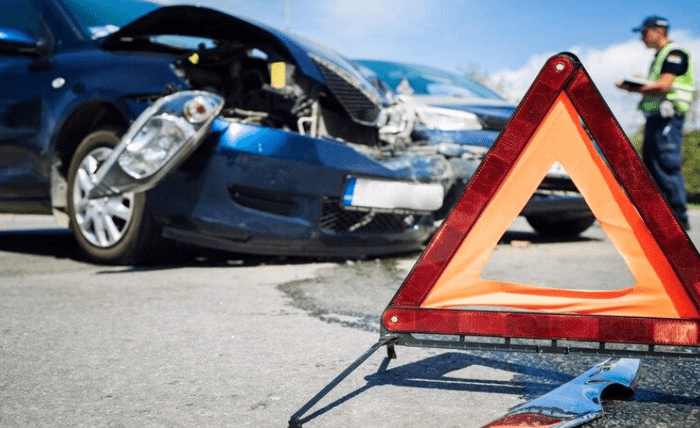
With a population of over 400,000 residents, Bakersfield is known for its active roads, especially around the main thoroughfares that connect the city to the rest of the valley. The constant flow of vehicles, combined with a growing population and a busy agricultural industry, means that car accidents are a common occurrence in this city.
In Bakersfield, the law applies a system called comparative fault when both drivers are partially responsible for an accident. This method helps distribute responsibility fairly based on how much each driver’s actions contributed to the crash.
If you’re unsure about how much blame you might carry, or if things get complicated, talking to a Bakersfield car accident lawyer could really help clear things up and make sure you’re treated fairly in the process.
Determining Fault in a Car Accident with Both Parties at Fault
California is one of the states that uses the comparative fault system to assign responsibility in car accidents. What does that mean in practical terms? Well, when both drivers are at fault, the law doesn’t automatically assume the blame is shared equally. The fault is divided based on how much each driver contributed to the crash.
So, if one driver was speeding and the other ran a stop sign, both actions played a role, but one driver might be more at fault than the other.
For example, let’s say Driver A was speeding through an intersection and Driver B failed to stop at a red light. In a case like this, Driver A might be 60% responsible for the accident, while Driver B could be 40% at fault. These percentages represent the degree to which each driver’s actions caused the crash.
Typically, it’s up to insurance companies to determine the breakdown of fault and decide on the percentages. They do this by reviewing the available evidence, such as police reports, witness statements, photos from the scene, traffic camera footage, and any other relevant information.
However, this process isn’t always cut and dry, and the insurance companies don’t always get it right. For instance, if your insurer decides that you’re more responsible than you actually are, it can affect how much compensation you receive. That’s why it’s always a good idea to consult with a qualified lawyer if things seem unclear or if you feel you’re being unfairly blamed for the accident.
How Comparative Fault Affects Insurance Coverage
Your insurance coverage is a core criterion that determines how much compensation you can get after an accident where both drivers are at fault. For instance, if you have liability insurance, it will cover the other driver’s damages if you’re determined to be at fault.
However, liability insurance won’t cover your own damages. But if you have collision insurance, your policy may help pay for repairs to your vehicle, even if you’re partially to blame.
Without collision insurance, you could be left to pay for your car’s repairs out of pocket, even if you’re not fully responsible for the accident. The type of insurance coverage you have can make a significant difference in how much you end up paying for damages.
Recovering Compensation When Both Drivers are at Fault
If you’re partially at fault in a car accident, the amount of compensation you can recover will be directly impacted by your percentage of fault. If you don’t have the right insurance coverage, or if the other driver’s insurance refuses to pay their fair share, you could end up paying more than your fair portion.
That’s why it’s important to consult with a lawyer if things get complicated. A lawyer can help you understand your rights, ensure that the insurance companies are dividing fault correctly, and make sure that you’re compensated appropriately based on the degree of your responsibility in the accident.