

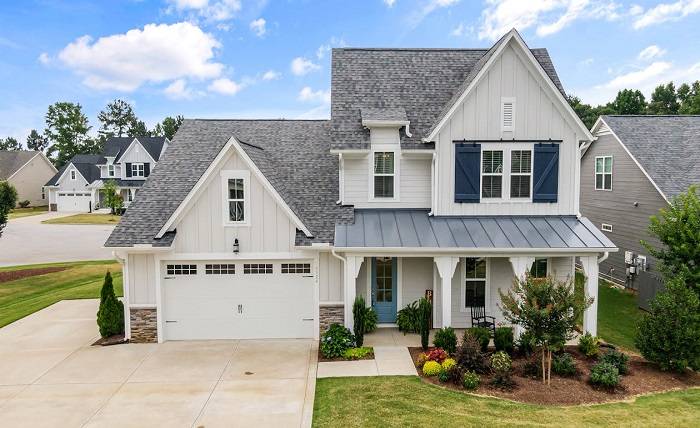
Outdoor design has shifted in recent years. People are moving away from cluttered backyards and crowded patios in favor of cleaner, more open spaces that actually work for the way they live. Minimalism outdoors entails choosing features that have a purpose. The goal is to build spaces that are easy to use, comfortable to be in, and simple to maintain without giving up personality or warmth.
In cities like Austin, where spending time outside is a regular part of life, outdoor design has become just as important as interior planning. Homeowners are now paying closer attention to how outdoor areas function day to day, not just how they look in photos. That means making smart choices about structure, layout, and style—all while keeping things clear and usable. The following points explore how function and minimalism are shaping better outdoor spaces, starting with one of the most overlooked features: the roof.
Simple, Lasting Cover
The best roofing in an outdoor space doesn’t fight for attention—it makes the space more usable. Rather than choosing oversized pergolas or complicated panels, more homeowners now look for streamlined covers that do the job without crowding the view. Think clean edges, compact framing, and finishes that don’t peel, warp, or need constant retouching.
In Austin’s unpredictable weather, practicality matters. A reliable Austin roofing company can help pick something that handles both sun and rain without feeling bulky or out of sync with the rest of the space. Whether it’s a metal awning or a fixed structure with minimal posts, the key is choosing a solution that feels permanent but looks effortless.
Clean Color Choices
Color doesn’t have to be loud to be effective. In fact, most peaceful outdoor spaces share something in common—restraint. Limiting the number of colors outside helps keep things from feeling chaotic. It also makes the space easier to furnish, decorate, and adapt over time. Fewer colors mean fewer distractions, which allows the layout and textures to stand out instead.
Today’s modern outdoor palettes tend to favor soft tones like warm whites, light stones, muted greens, and wood finishes that age well. These aren’t chosen just because they look nice—they’re easier to live with. You don’t feel the need to constantly replace pieces that “clash.” Everything works together, which lowers the pressure to keep tweaking or updating the space just to make it feel complete.
Easy Landscaping
Landscaping doesn’t have to be a big production. In fact, minimalist design has reshaped how people think about plants and ground cover. Instead of layering tons of different plants or obsessing over perfect grass, homeowners now lean toward landscaping that feels intentional and easy to maintain. The goal is clarity—simple lines, spaced-out plantings, and choices that won’t need a weekly fix.
People are moving toward native plants that don’t need specialized care or irrigation systems. Ground cover is chosen for function and texture, not for flash. Whether it’s gravel, stone pavers, or a few low shrubs in clean rows, the focus is on creating calm, open space—not a miniature jungle that constantly asks for attention.
Clear Path Design
A narrow, curved path might feel charming in a garden, but in a minimalist layout, clarity wins. Straight lines or wide-open walkways give the area a more relaxed and structured feel. It also stops people from cutting across the yard or stepping through plant beds, which often happens when pathways aren’t well-defined.
In today’s outdoor design, materials for paths matter just as much as their placement. Simple pavers with clean gaps brushed concrete, or gravel lines all offer practical footing without taking over the visual tone. Paths are being treated more like functional design choices instead of afterthoughts. When done right, they help people move easily through the space while making the whole area look more finished and deliberate.
Functional Greenery
Plants don’t have to be decorative extras—they can be the hardest-working part of an outdoor setup. When used with purpose, greenery can shape space, soften edges, and even offer shade or privacy. Instead of scattering plants everywhere, the modern minimalist design uses greenery with intention. A row of tall grasses may divide areas. A few vertical planters might add color to a blank wall. It’s all about placement, not volume.
This approach also makes outdoor care more manageable. Choosing greenery that thrives with minimal effort helps keep the space low-stress. Grouping plants by water needs or placing them where they serve both a visual and functional role turns landscaping into a smart design. A few thoughtful plant choices can do more than a dozen mismatched ones ever could.
Guided by Shape
Minimalist outdoor spaces rely heavily on shape and structure to create visual order. That doesn’t mean the space feels rigid—it means it has direction. Clean lines, right angles, and geometric patterns help divide space in a way that feels natural. These shapes keep the layout easy to understand and give the entire space a sense of quiet rhythm.
The geometric design also helps people move comfortably through the area without feeling boxed in. A square seating zone, rectangular garden beds, or a straight-line walkway can make even a small yard feel more balanced.
Cut the Extra
Outdoor spaces can easily become crowded with furniture, accessories, or decorative features that don’t really add value. Over time, it becomes harder to maintain and harder to enjoy. Minimalist design looks at every item and asks a simple question: is this useful? If not, it probably doesn’t belong. Removing nonessential pieces creates breathing room and lowers maintenance.
A bench that doubles as storage. A dining table that holds up to weather and daily use. Pieces that do one or two things well are better than items added just to fill a gap. The result is a more thoughtful, practical space that’s easier to live in in the long term.
Open Layouts
An open layout doesn’t mean leaving everything bare. It means organizing the space in a way that leaves room to breathe. Instead of filling every corner, minimalist outdoor spaces are now being designed with movement in mind. People want to be able to walk, stretch, host guests, or just sit comfortably without bumping into furniture or stepping over decorations.
This approach also helps multifunctional spaces work better. An open patio can serve as a dining area, a lounging zone, or even a quiet workspace, depending on the time of day. With fewer barriers and more flexible use, the space becomes something people actually use regularly, not just something that looks good from the window.
Every material, plant, path, and layout choice plays a role in how the space works. Whether it’s through open layouts, smart greenery, or a functional roof that fits the environment, the minimalist approach helps people create outdoor areas that are comfortable, simple, and ready for everyday life.