

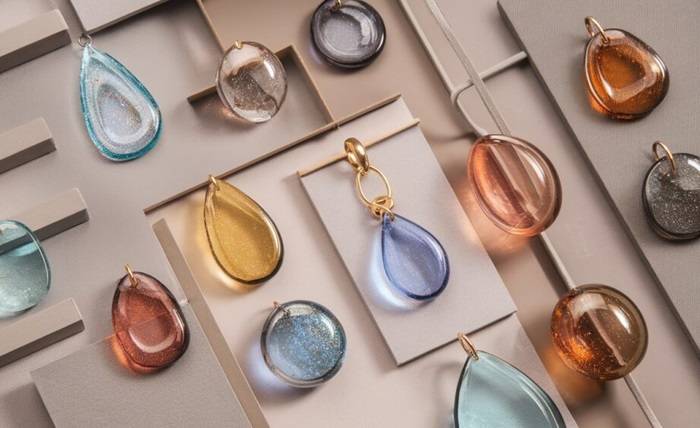
The glass market (the artsy kind) has evolved in the last couple of years, and we can expect a further growth rate of 7.50% by the time we reach 2030. However, these items can occasionally have quite a hefty price tag that can confuse the average person. If you’re planning to buy a blown glass piece and it seems too expensive, this article can explain the pricing behind these products.
Mass-Made vs. Handmade Blown Glass
Blown glass can be made using two techniques: either mass-made or hand-blown. The former relies on molds and machinery, allowing the manufacturer to create a uniform-looking piece. Since molds are used here, it’s easy to create duplicates of an item, which means it cannot be unique and won’t have artistic value. This type of glass is thinner and lighter, so it might not be as durable, also lowering the price.
Conversely, hand-blown glass is made using traditional methods. Glassmakers use a blowpipe to send the air into the piece, which is then shaped in the intended form. This process allows for a multitude of shapes and designs based solely on the talent and fantasy of the glass master. Therefore, pieces created by hand-blowing have intrinsic artistic value and are sought after by collectors and designers.
No two handmade blown glass pieces are the same, even when the glassblower attempts to follow a specific design. One-of-a-kind objects are considered more personal, which is reflected in the price tag.
What Adds to the High Price of Blown Glass?
Even when the glass is hand-blown, several factors can influence the cost. These include the following:
1. Difficulty of the Glassmaking Craft
Glass blowing is not an easy craft to master. In most cases, it takes years to master this craft and fine-tune one’s skill, as the artisan has to shape the glass before it hardens. To avoid quick hardening, the artisan has to keep turning the blowpipe at the end of which the molten glass is held. This is difficult physical work, and the master has to have the strength, the skills, and the imagination to perform all the tasks required to make a hand-blown glass piece. Not every piece is qualitative, as the glass can lose its shape or crack if the artist is not fast enough. A complex item can go through multiple failed attempts first, and that level of precision, skillset, and labor explains the higher price tag.
2. Expensive Tools and Equipment
Glass artisans don’t just create a fire and use a random pipe to blow the glass. They’ll need a furnace, molds, and special blowpipes. These can be expensive, especially since manufacturers have to buy high-quality gear. Plus, aside from the initial purchase of the tools, glass blowers have to conduct regular maintenance of the furnaces, which can be quite costly. The furnace has to work non-stop twenty-four hours seven days a week to maintain the constant temperature required for glass-making. If a furnace has to be stopped, the extinguishing process takes days, and the start-up process is slow, with multiple days required to get up to the necessary temperature. To recover these costs, glassmaking workshops and factories have to charge high prices for their pieces.
3. Sourcing the Materials
Some of the materials commonly used in glass blowing (i.e., limestone or silica sand) are inexpensive, for the most part. Still, unless you buy a plain, clear-colored piece that has no design, you can expect more materials to be used. For example, to get a certain effect or color in a hand-blown glass vase, glass blowers might have to source some rare minerals. This could end up turning the object into an expensive one.
4. Gas Used in Glass Blowing
For the glass to melt in the easily malleable texture essential in glass blowing, artisans have to put the materials into a furnace first. These furnaces use propane or natural gas to run, and as gas prices are going higher than ever, this can be costly. Not to mention that this is an ongoing expense, and if the studio has limited production, the artisan has to put that expense into the item’s cost.
5. The Skill Level of the Artisan
The higher the reputation of the artisan, the more you are expected to pay for a blown glass item. A piece made by a starting apprentice lacks the aesthetic to be considered valuable, as the glassmaker doesn’t have the necessary skill and experience. However, an object made by Alfredo Barbini, for example, especially in his later years, can fetch a few hundred or even thousands of dollars. The greater the reputation of the glassblower, the more you are expected to pay (especially if they have a signature style).
6. Scarcity of Artisans
Blown glass is in demand, but with mass production taking over, there are fewer and fewer artisans every year. There are not many glass-blowing studios left, and many of them are in Italy, where the artists are trying to keep the Murano glass-making tradition alive. Because of the scarcity and limited number of people who know how to use traditional methods to blow glass, every handmade piece is considered valuable. This directly affects the price of the glass, as one-of-a-kind items are now rare.
What to Look for In Blown Glass as a Collectible
Blown glass is among the most popular items to collect, as it can be both functional and aesthetically appealing. That said, not every product holds high value, and many sellers can overcharge for a piece. To make sure you are not paying more than an object is worth, look for the following elements:
Signature of the Artisan
Despite every piece having a general purpose, artisans add something that belongs entirely to them. Sometimes, it can be a style element that appears on every product. Some can choose to color their blown glass bowl in a specific shade or conceal a pattern within the design. Others sign their name or initials when the glass is still hot.
Regardless, if the signature of the artisan is there, you are less likely to buy a counterfeit, mass-produced piece. Make sure to also look for “signature imperfections,” as this can confirm the object was indeed handmade. If it’s a renowned artist, you should have it checked or get a certificate of authenticity.
Limited Edition Pieces
Limited edition blown glass objects are highly valued compared to mass-produced ones. It’s the law of art: the fewer there are, the more people want them. This applies most of the time to artists with a reputation or who have passed long ago, making people want to get their hands on their work.
Look for individually blown items that are one-of-a-kind and unlike any other that the artist made. Collections bits can also have a high cost, but that’s because a limited number made it out on the market. If a design has been discontinued, it means it will become rare later on, further adding to the price tag.
Historical Value
The older a piece gets, the higher the chances are that it will gain value. Objects dated from the Art Deco movement or even from Modernism are associated with those times, especially among collectors. If the blown glass piece is particularly old, its manufacturer might have passed away, adding more to the item’s rarity and value.
Keep in mind that historic items are valued based on the condition they are sold in. A product that is chipped or faded in color can still fetch a high price, particularly if the artist is renowned. Even so, objects that are in mint condition will sell for more money, as their full historical value has been kept.
The Bottom Line: The Value of Research
Blown glass, particularly the handmade type, is considered of high value among glass enthusiasts and collectors alike. Each piece has design bits that are unique to that object, even the slightest imperfection adding to its value. You should do your research before buying such an item, to make sure you pay the right price.