

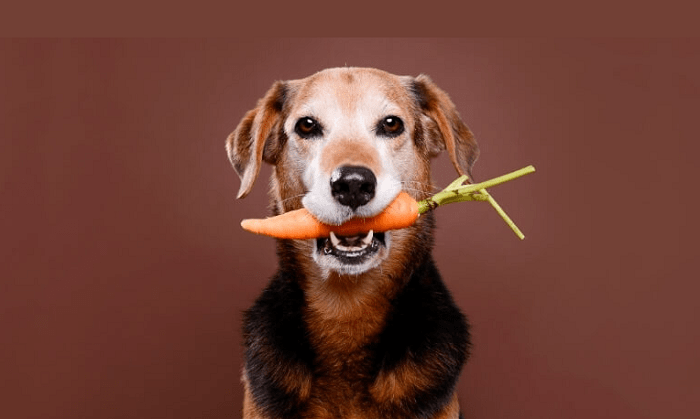
Most dogs would happily eat anything that hits the kitchen floor, whether it’s a grape, a chunk of dark chocolate, or an entire sausage roll you dropped in a rush. And let’s face it, they’re experts at giving you that “just one bite?” look when you’re trying to enjoy a snack on the couch. Even a big St. Bernard dog can master the art of looking starved when food is in sight.
But here’s the catch: some of our everyday human foods can do real harm to dogs, even in small amounts. What’s harmless—or even healthy—for us can cause real trouble for our furry mates. From tummy aches to full-blown emergencies, there are quite a few things dogs should never get their paws on.
This guide runs through the usual suspects—the most common foods that are toxic or dangerous for dogs—and gives you the what, the why, and what to watch out for if they sneak a bite.
Top Human Foods Dogs Should Avoid
These aren’t just “probably not great” options. These are the no-go items—foods that have landed many dogs in the vet’s emergency room.
Chocolate
Most people know chocolate’s off-limits, but the reason why is often missed. Chocolate contains a compound called theobromine, which doesn’t sit well in a dog’s system. Even small amounts can trigger vomiting, restlessness, or a racing heart. Larger doses can cause tremors, seizures, or in serious cases, heart failure. Dark chocolate packs the strongest punch, but even milk chocolate can be dangerous depending on the size of the dog and how much they eat.
Grapes and Raisins
These might seem like harmless snacks—especially if your dog has pinched one off the floor before and seemed fine—but grapes and raisins can trigger sudden kidney failure. There’s no known safe amount. One dog might eat a few and be okay, while another could be in serious trouble from just one or two. It’s not worth the risk.
Onions and Garlic
These two are found in loads of household meals and leftovers. Whether raw, cooked, powdered, or dehydrated, onions and garlic can damage your dog’s red blood cells, making it hard for their body to carry oxygen. Over time or in large amounts, this can cause anaemia—lethargy, pale gums, and weakness are all warning signs to watch for.
Xylitol (in gum, mints, sugar-free snacks)
This sweetener crops up in sugar-free chewing gum, mints, baked goods, and even some peanut butters. It causes an insulin spike in dogs that leads to dangerously low blood sugar—a condition that can hit fast and hard. Symptoms include staggering, shaking, or even collapsing. In higher doses, xylitol can also cause liver damage.
Alcohol
It might seem like common sense, but you’d be surprised how many pets end up licking beer off the floor or sampling spilt cocktails. Even small amounts of alcohol can seriously affect a dog’s liver, kidneys, and brain. Their bodies just aren’t built to process it, and symptoms can range from confusion and vomiting to coma. Don’t leave open drinks within reach—and don’t assume a small lick is harmless.
Macadamia Nuts
These rich, oily nuts may feel fancy in a cookie or trail mix, but they’re toxic to dogs—even a handful can do damage. They can cause weakness in the back legs, vomiting, trembling, and general wobbliness. The exact reason why dogs react this way isn’t clear, but the results are very real and usually show up within 12 hours of eating them.
Caffeine (Coffee, Tea, Energy Drinks)
That leftover morning coffee on the table? Or the tea bag your pup grabbed from the bin? Caffeine acts like a stimulant that hits dogs much harder than it hits us. It speeds up the heart, raises blood pressure, and can cause restlessness, vomiting, tremors, or worse. Coffee grounds and energy drinks are especially risky because of the concentrated caffeine levels.
Cooked Bones
They may seem like a natural treat—and you’ll often hear people say, “Oh, dogs love bones!”—but cooked bones can be dangerous. They tend to splinter, which can lead to choking, punctured intestines, or blockages that require surgery. Raw bones (used under supervision) are safer, but cooked ones? Best left off the menu.
Fatty Foods (like bacon, sausages, fried leftovers)
Sure, your dog will look thrilled if you sneak them a bit of bacon, but their insides might not be so pleased. Rich, greasy foods can overwhelm their digestive system and cause pancreatitis, which is a painful and serious inflammation of the pancreas. It can show up as vomiting, a hunched posture, loss of appetite, or general discomfort. It’s not worth the risk for the sake of a few scraps.
Avocado
This one surprises people because it’s considered a healthy food for humans. But avocados contain a compound called persin, which can upset a dog’s stomach—leading to vomiting or diarrhea. The pit is also a choking hazard and can cause blockages if swallowed. While a lick here and there might not cause major harm, it’s best to keep avo toast out of paw’s reach.
Watch for These Signs of Toxicity
It’s on us to notice the signs when something’s not quite right. Whether they’ve snuck a bite while your back was turned or been rummaging around in the bin, knowing what to look for can save you a lot of panic—and possibly a trip to the emergency vet.
Keep an eye out for the following symptoms, especially if you suspect they’ve eaten something from the “no-go” list:
- Vomiting or dry retching – One of the first signs something’s wrong.
- Runny poos or diarrhea – If it hits suddenly after a snack, don’t ignore it.
- Excessive drooling – Not just a little dribble; we’re talking full-on drool puddles.
- Lethargy or unsteadiness – If your usually bouncy dog is lying flat or stumbling.
- Shaking or tremors – Small twitches or full-body trembles are both red flags.
- Seizures or collapse – These are serious—call your vet immediately.
These symptoms might pop up fast or creep in over a few hours. Some dogs hide pain well, so subtle changes—like not wanting dinner or skipping playtime—can also mean something’s brewing under the surface.
What to Do If Your Dog Eats Something Dangerous
So your dog swiped a brownie off the counter—or maybe they licked an empty plate you didn’t realise had onion gravy on it. First thing: don’t panic. Second: act fast but stay clear-headed.
Here’s what to do if you think your dog has gobbled down something off the naughty list:
- Call your vet straight away. Even if you’re not 100% sure what was eaten, it’s better to check. Don’t wait for symptoms to kick in—by the time they do, the problem might already be serious.
- Note what was eaten, how much, and when. If it was packaged food, keep the wrapper. If it was a homemade meal, think about the ingredients. This helps the vet work out how toxic it might be and what treatment your dog might need.
- Don’t try to make your dog throw up—unless your vet tells you to. Some substances can do more harm on the way back up, and forcing vomiting can complicate things if it’s not done correctly.
Conclusion
Dogs process things differently—and their bodies can’t always handle what ours can. That tiny snack you handed over without thinking might be harmless, or it might cause a whole lot of trouble.
So here’s the rule of thumb that’ll serve you well for the long haul: when in doubt, skip the snack. Stick to dog-friendly treats, or offer bits of plain cooked meat, carrot, or rice if you’re really keen to share. And if your dog’s staring you down while you eat dinner, don’t feel guilty for saying no—it’s kinder to keep them safe than to risk a trip to the vet.