

In today’s rapidly evolving educational landscape, it’s essential to engage students with interactive and hands-on experiences. Science classrooms, in particular, benefit from an environment that encourages students to explore, experiment, and apply the concepts they are learning. Creating a space where students can dive into practical activities helps them understand theoretical knowledge and develop problem-solving skills that will serve them throughout their lives.
The Importance of Practical Learning
One of the primary benefits of hands-on learning is that it makes abstract concepts more tangible. For instance, rather than simply reading about chemical reactions in a textbook, students can conduct an experiment, observe the results firsthand, and gain a deeper understanding of the science behind it. This not only reinforces theoretical knowledge but also keeps students engaged in the subject.
Practical learning is also crucial for developing critical thinking and analytical skills. When students perform experiments, they are required to make decisions, analyze data, and draw conclusions based on evidence. These activities encourage them to think critically and refine their problem-solving skills—traits that are valuable in both academic and real-world settings.
Essential Tools for Science Classrooms
Creating a hands-on science classroom requires the right set of tools. A well-equipped classroom allows students to experiment, test hypotheses, and gather data effectively. There are various tools that help make this process smoother, and one standout provider is Lab Aids. They offer a wide range of resources tailored to enhancing the science learning experience, from simple lab equipment to comprehensive kits designed for various scientific fields.
Investing in quality tools ensures that students can fully engage with experiments and activities, leading to better learning outcomes. For example, using reliable thermometers, microscopes, and chemical kits helps students work with precision and encourages an atmosphere of scientific inquiry.
Engaging Lab Kits
Science kits are one of the most popular ways to bring hands-on learning into the classroom. These kits typically contain all the necessary materials for a series of experiments, helping teachers save time and resources. Lab kits often come with detailed instructions, making it easier for students to conduct experiments independently or in groups.
Lab Aids offers a variety of science kits designed for different age groups and scientific disciplines. Whether you’re teaching biology, chemistry, or physics, having access to well-designed kits can help make complex concepts more accessible for students.
Interactive Digital Tools
In addition to physical kits and equipment, digital tools are becoming increasingly valuable in the classroom. Virtual labs, simulations, and interactive apps can complement traditional learning methods and offer students an opportunity to engage with science in new and exciting ways.
While physical experiments provide a hands-on experience, digital tools can simulate scenarios that may be difficult or costly to reproduce in a traditional classroom. For example, virtual biology labs allow students to observe and manipulate cells or perform dissections without the need for actual specimens. These tools provide another layer of engagement and learning opportunities.
Building a Collaborative Environment
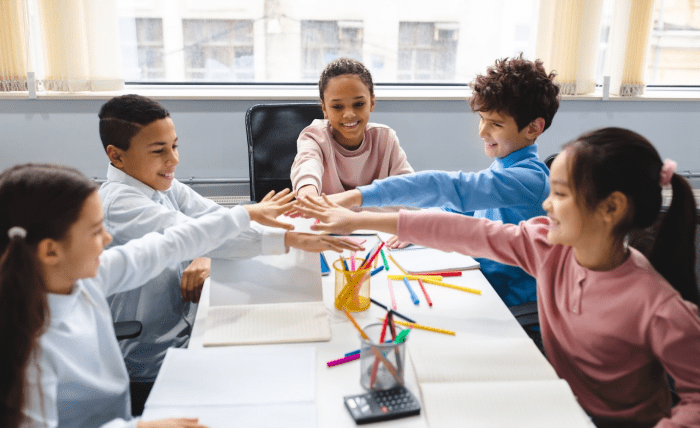
A hands-on learning environment isn’t just about the tools; it’s also about fostering collaboration among students. When students work together on experiments, they learn to communicate effectively, share ideas, and collaborate to solve problems. Group work helps students understand the value of teamwork and the diversity of thought that can lead to better solutions.
Collaborative environments encourage students to approach problems from multiple perspectives, improving their ability to work in teams. Teachers can encourage group work by assigning lab projects that require students to share their findings, discuss outcomes, and present results to the class.
Encouraging Critical Discussions
Once experiments are completed, discussions become an essential part of the learning process. Teachers should encourage students to discuss the results of their experiments and ask open-ended questions to promote deeper thinking. This practice helps students understand the reasoning behind their conclusions and think critically about their experiments.
For example, after conducting a chemistry experiment, students might discuss how temperature affects reaction rates or explore alternative methods to achieve the same result. These discussions help solidify the learning process and encourage students to apply what they’ve learned in new contexts.
Real-World Connections
Another vital aspect of hands-on learning is making real-world connections. Students often wonder how the knowledge they acquire in the classroom applies to their daily lives. Connecting classroom experiments to real-world scenarios helps students see the relevance of science and fosters an appreciation for its practical applications.
Teachers can bring in case studies, news articles, or guest speakers who work in scientific fields to help students understand how the concepts they learn in the classroom translate into real-world situations. For example, a lesson on environmental science could be paired with a discussion on current climate change issues and the role science plays in addressing these challenges.
Addressing Challenges in Hands-On Learning
While hands-on learning offers numerous benefits, it also comes with its own set of challenges. One common issue is the need for sufficient space and resources to conduct experiments. Some schools may struggle to provide the necessary equipment or have limited space for labs. However, with proper planning and creative solutions, these challenges can be overcome.
For instance, some teachers create makeshift lab stations in regular classrooms, using inexpensive materials and adapting experiments to fit the available space. Others may collaborate with local science centers or universities to access additional resources and expertise. The key is to be resourceful and think creatively about how to bring hands-on learning experiences to life, even in less-than-ideal conditions.
Safety Considerations
When conducting science experiments, safety is always a top priority. Teachers must ensure that students are aware of potential hazards and understand how to handle materials properly. Safety protocols should be taught and followed strictly to prevent accidents and injuries.
Proper supervision is also crucial during experiments, especially when dealing with chemicals, heat, or sharp instruments. It’s essential to equip students with the knowledge they need to work safely and responsibly in a lab environment.
Conclusion
Hands-on learning is a powerful tool in science education, helping students connect theory with practice and develop essential skills such as critical thinking, teamwork, and problem-solving. By providing the right resources and fostering a collaborative environment, educators can create a learning space that encourages curiosity, exploration, and deeper understanding. Companies like Lab Aids offer valuable resources that help teachers create meaningful and engaging science experiences, ensuring that students are equipped with the knowledge and skills they need to succeed in the future.
For more information about science resources, visit Lab Aids.