


Vegetable drawing is a great way to improve artistic skills, whether you’re a beginner or a professional. Drawing vegetables helps artists understand shapes, textures, and shading while also being useful for educational materials, menu designs, and creative projects. Whether you’re sketching for fun or making detailed illustrations, vegetables make excellent subjects for practicing form and composition.
Benefits of Drawing Vegetables
- Helps improve observation skills by focusing on natural shapes and textures.
- Provides a simple starting point for beginners learning to sketch.
- Useful for food-related designs, posters, and educational materials.
- Allows experimentation with shading, perspective, and color blending.
Types of Vegetables Drawing Styles
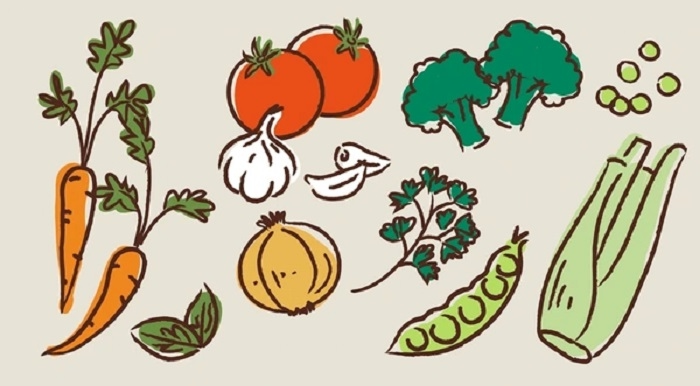
There are many ways to approach vegetable drawing, depending on the artistic style and medium you prefer.
Common Styles of Vegetables Drawings
| Style | Description | Best Uses |
| Realistic Drawing | Detailed, lifelike sketches with shading and depth | Fine art, botanical illustrations |
| Cartoon Style | Exaggerated and fun vegetable shapes with bold outlines | Kids’ books, educational materials |
| Line Art | Simple black-and-white outlines without shading | Coloring pages, tattoos, logos |
| Watercolor Illustration | Soft, blended colors with a hand-painted look | Posters, digital artwork |
| Pencil Sketch | Grayscale shading and textures using graphite or charcoal | Practice for beginners, concept sketches |
Step-by-Step Guide to Drawing Vegetables
If you’re new to drawing vegetables, following a structured approach can help you improve. Here’s a simple step-by-step guide to drawing a vegetable, such as a bell pepper.
How to Draw a Bell Pepper
Outline the Basic Shape
- Start with a light sketch of an oval or slightly irregular shape.
- Add gentle curves to define the natural folds of the bell pepper.
Define the Sections
- Divide the shape into three or four sections to represent the natural ridges.
- Lightly sketch the top where the stem will be.
Add the Stem and Details
- Draw the stem with a curved rectangle or irregular shape.
- Add a small circular section at the base of the stem for realism.
Refine the Edges and Add Texture
- Erase any extra lines and smooth out the shape.
- Add fine details such as subtle wrinkles or dimples on the surface.
Shading and Highlights
- Identify a light source and shade the opposite areas to create depth.
- Use soft shading for a smooth look or cross-hatching for more texture.
- Add highlights where light naturally reflects off the surface.
Best Tools for Drawing Vegetables
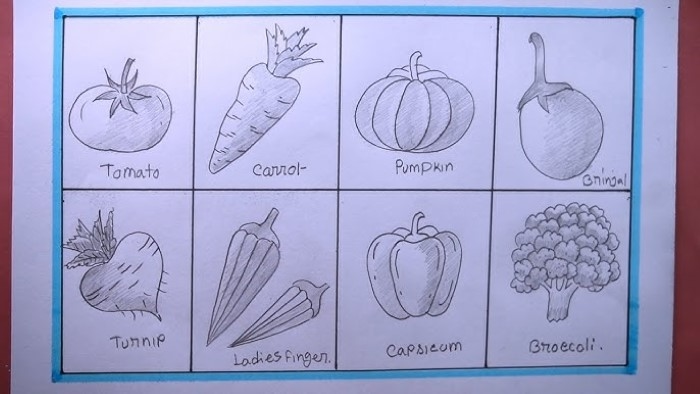
Choosing the right tools can improve your drawing quality and make the process more enjoyable.
Recommended Drawing Materials
| Tool | Purpose |
| Pencil (HB, 2B, 4B) | Light sketches and shading |
| Colored Pencils | Adding color and depth |
| Watercolors | Soft, blended color effects |
| Fine Liners | Clean outlines for line art |
| Charcoal | Bold shading and texture |
| Digital Tablet | Creating digital vegetable drawings |
Where to Find Vegetables Drawing References
If you’re looking for inspiration, there are many resources available online and in books.
Best Sources for Vegetables Drawing References
- Pinterest – A great place to find step-by-step tutorials and inspiration.
- YouTube – Many artists share drawing guides for vegetables.
- Art Books – Botanical illustration books provide realistic sketches and details.
- Stock Image Websites – Sites like Unsplash and Pexels offer high-quality vegetable photos to use as references.
- Coloring Pages Websites – Free downloadable vegetable outlines can help practice line work.
Tips for Improving Vegetables Drawing Skills
- Start with simple shapes before adding details.
- Observe real vegetables for accurate proportions.
- Practice shading techniques to create depth.
- Use different styles to experiment with creativity.
- Try drawing a variety of vegetables to improve versatility.
FAQs
What is the easiest vegetable to draw?
Carrots and tomatoes are some of the easiest vegetables to draw due to their simple shapes.
How can I make my vegetable drawings look more realistic?
Focus on shading, highlights, and textures to add depth and realism.
What is the best medium for drawing vegetables?
Pencil and charcoal are great for sketches, while colored pencils and watercolors work well for illustrations.
Where can I find free vegetable drawing tutorials?
YouTube, Pinterest, and online art communities provide free tutorials for drawing vegetables in different styles.
Can I use vegetable drawing for digital artwork?
Yes, digital drawing tools like Procreate, Photoshop, and Illustrator allow you to create detailed vegetable illustrations.
Vegetable drawing is an excellent way to practice art skills, whether for fun, education, or professional design. By exploring different styles, using the right tools, and practicing regularly, artists can create stunning vegetable illustrations. Whether sketching for a cookbook, designing coloring pages, or experimenting with digital art, vegetables provide endless inspiration for creative expression.