

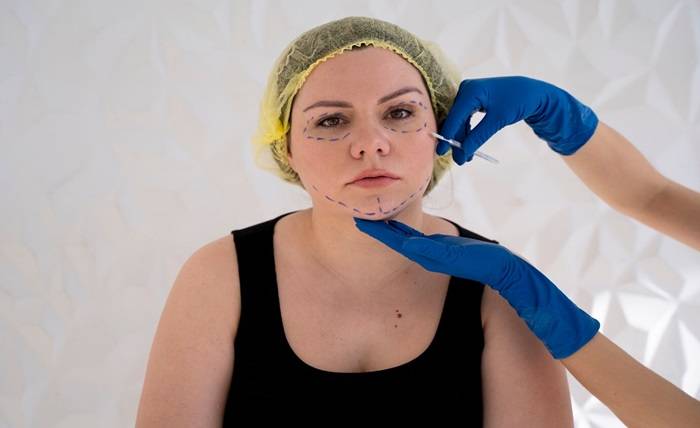
How has plastic and reconstructive surgery evolved to improve lives? This field has made remarkable strides in recent years. These advancements are redefining what is possible. Let’s explore the latest developments and their impact.
The Importance of Plastic and Reconstructive Surgery
Plastic and reconstructive surgery goes far beyond aesthetics, focusing on restoring function and improving the quality of life for patients. At specialized centers like Ford Plastic and Reconstructive Surgery, the emphasis is on addressing both form and function to meet individual needs. For example, burn patients may benefit from skin grafts that restore appearance and mobility, while facial reconstruction after accidents rebuilds structure and restores essential functions like speech and eating.
The psychological benefits are equally significant. Reconstructive work can boost confidence and improve mental health. Advances in technology make these procedures more effective and less invasive. With these developments, patients experience better outcomes and shorter recovery times.
Innovations in Surgical Techniques
New surgical techniques are transforming how procedures are performed. Minimally invasive methods are at the forefront of these advances. One example is the use of endoscopic tools. These allow surgeons to operate with smaller incisions, reducing scarring and recovery time. Microsurgery is another breakthrough. This technique enables precise work on tiny blood vessels and nerves.
3D printing is also changing the game. Custom implants and models improve surgical precision and outcomes. Robotics further enhance accuracy and reduce human error. Together, these innovations are expanding the possibilities for both cosmetic and reconstructive surgeries.
The Role of Technology in Surgery
Technology plays a vital role in modern plastic and reconstructive surgery. Cutting-edge tools and devices are making procedures safer and more effective.
Here are some notable advancements:
- 3D Imaging: Provides detailed views of anatomy for better planning
- Laser Therapy: Used for skin resurfacing, scar reduction, and more
- Tissue Engineering: Promotes natural regeneration of damaged tissues
- Artificial Intelligence: Assists in diagnosing conditions and predicting outcomes
- Telemedicine: Expands access to consultations and follow-ups
These tools are reshaping the field. They enable surgeons to push boundaries and achieve remarkable results.
The Future of Plastic and Reconstructive Surgery
The future of this field holds even greater promise. Research and innovation continue to drive progress. Stem cell therapy is one area of significant interest. This approach has the potential to revolutionize tissue regeneration. Virtual reality is also being explored for surgical training and patient education.
Additionally, bio-printing technology could soon enable the creation of complex tissues and organs. Collaboration between disciplines is accelerating breakthroughs. Experts from engineering, biology, and medicine are working together to address challenges. With these developments, the possibilities are limitless.
Choosing a Reputable Clinic for Service
A reputable clinic ensures high-quality care and optimal results. Look for facilities with board-certified surgeons who specialize in the procedure you need. Credentials and certifications reflect a surgeon’s training and expertise. Research reviews and testimonials from previous patients to gauge satisfaction and outcomes.
Advanced technology and modern facilities are also important factors. These enable precision and safety during procedures. A consultation is a great opportunity to ask questions and evaluate the clinic’s approach. Trustworthy clinics prioritize clear communication and patient education. Making an informed choice ensures peace of mind and better results.
Plastic and reconstructive surgery have come a long way, blending science and art to transform lives. At places like Ford Plastic and Reconstructive Surgery, these advancements are making a real difference. With innovations in technology and techniques, patients now benefit from safer, more effective procedures. As this field continues to evolve, it holds the potential to address even the most complex challenges. The future of plastic and reconstructive surgery is truly inspiring.