

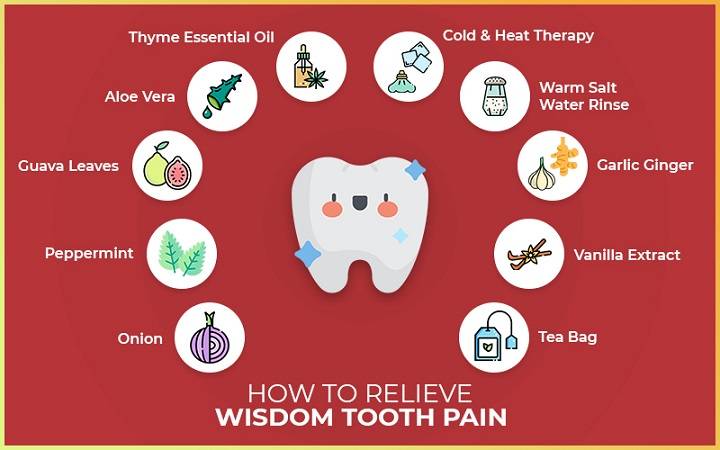
Understanding Wisdom Tooth Pain
Wisdom tooth pain is a common dental challenge that many individuals face during their late teens and early adulthood. These third molars are the last set of teeth to emerge, often causing issues due to the limited space in the jaw. This lack of space frequently results in impacted teeth, leading to pain, swelling, and even infection. For those in need of instant tooth pain relief, it is important to explore a range of strategies that offer both temporary and long-term comfort.
Wisdom tooth pain can occasionally radiate to the jaw or neck, making it difficult to go about regular tasks. People might find practical answers by comprehending the underlying causes of this suffering. The Mayo Clinic states that infection, harm to other teeth, and even the formation of cysts are possible signs of issues from wisdom teeth. Addressing these issues promptly can alleviate immediate pain and prevent further dental complications from arising. North Orange Family Dentistry also offers efficient solutions.
Quick Ways to Relieve Pain at Home
For immediate relief from wisdom tooth discomfort, several home remedies can be employed. Over-the-counter pain medications, such as ibuprofen, are commonly recommended to help manage pain and reduce inflammation. Furthermore, numbing the discomfort and reducing swelling can be achieved by placing a cool compress to the cheek close to the affected area.
- Saltwater Rinses: Regularly gargling with warm salt water can help cleanse the area around the wisdom teeth, decreasing bacteria and soothing irritated gums. This simple home remedy can provide substantial relief from discomfort.
- Clove Oil Applications: Clove oil is renowned for its analgesic and antibacterial properties. Applying a small amount to the affected area with a cotton swab can help numb the pain and reduce infection risk.
- Ice Packs for Swelling: Applying ice packs to the outside of the cheek can significantly reduce swelling. This method is particularly effective when done in 15-minute intervals, allowing the skin to recover between applications.
When to See a Dentist
Although home treatments can offer short-term respite, it’s important to know when to seek expert dental care. If wisdom tooth pain persists or intensifies, it might indicate a more serious issue. Symptoms like fever, persistent bleeding, or difficulty opening the mouth can signal an underlying infection or abscess that requires immediate dental attention.
Long-Term Solutions
For those experiencing ongoing issues with wisdom teeth, long-term solutions often involve dental procedures. Many dentists recommend the extraction of wisdom teeth as a preventative measure against future complications. This surgical procedure, though daunting for some, is typically straightforward and offers permanent relief from pain. Post-extraction, individuals generally experience a marked improvement in their overall oral health and a decrease in related dental concerns.
Natural Remedies and Alternatives
Beyond conventional approaches, natural remedies provide an alternative for individuals seeking gentler pain relief methods. Acupressure, which focuses on applying pressure to specific points on the body, can help alleviate dental pain by promoting natural healing processes. Moreover, consuming chamomile tea, known for its anti-inflammatory and calming properties, might aid in reducing discomfort and swelling associated with wisdom teeth.
For more information on holistic approaches to dental pain, Healthline explores various natural methods that can complement traditional pain management strategies.
Prevention Tips
While not every complication can be avoided, preventive measures play a significant role in minimizing wisdom tooth pain. Maintaining rigorous oral hygiene is foundational in preventing bacterial buildup around newly emerging teeth. Regular dental check-ups also allow for early identification and management of potential issues before they escalate.
- Consistent Brushing and Flossing: Daily brushing and flossing are essential in keeping the mouth healthy and free from harmful bacteria that can exacerbate wisdom tooth pain.
- Routine Dental Visits: Regular visits to a dentist ensure that any emerging issues are detected and addressed early, reducing the risk of severe discomfort and complications.
- Avoiding Hard Foods: Steering clear of hard or chewy foods can prevent unnecessary strain on the teeth, particularly during the sensitive period of wisdom tooth emergence.
Frequently Asked Questions
Q: Can wisdom teeth grow without causing problems?
A: Yes, in some cases, individuals experience no issues with their wisdom teeth if there is sufficient room in the jaw for them to emerge properly. However, regular monitoring is advisable to prevent unnoticed complications.
Q: How long does wisdom tooth pain typically last?
A: The duration of pain varies from person to person. Typically, pain subsides once the teeth have fully emerged or are properly extracted. However, factors such as the individual’s pain tolerance and the extent of impaction can influence the healing timeline.