


As we enter our golden years, maintaining mental health and wellness becomes just as important as caring for our physical health. Seniors face the risks of poor health conditions due to increased isolation and health challenges. Be it mentally or physically, seniors were heavily affected, especially during COVID-19.
Depression and anxiety were already worrying conditions for them. But those numbers spiked due to mandatory physical distancing. But taking proactive measures can help boost mental fitness and quality of life. Now that the pandemic has mostly subsided, seniors can actively engage in numerous activities.
Stay Physically Active
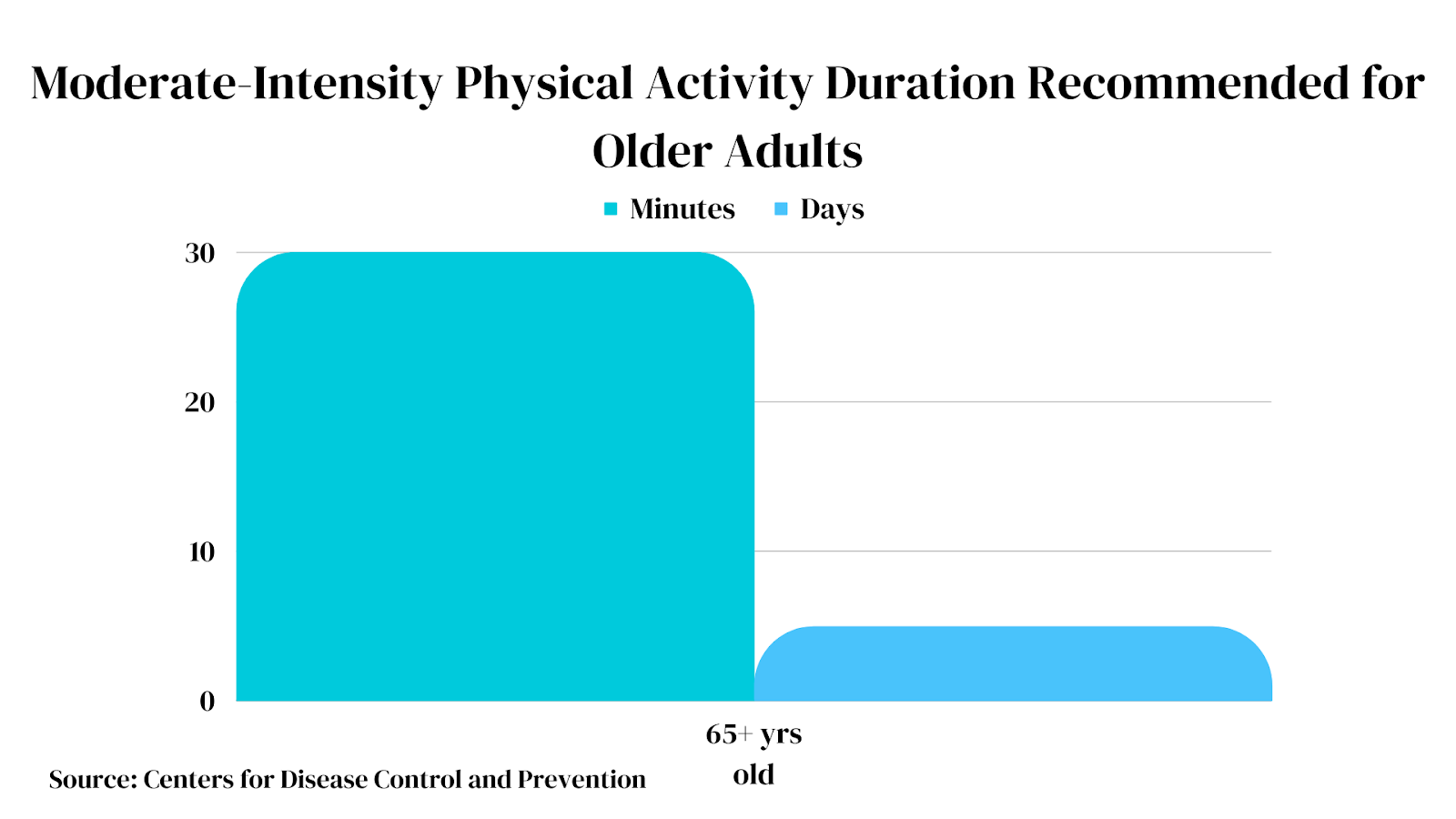
Regular exercise provides enormous benefits for both body and mind. Simple activities can reduce stress, improve sleep, and prevent cognitive decline. Aim for at least 150 minutes of moderate exercise per week. Start slow and consult your doctor before intensifying your workout routine. Engaging in activities like walking or tending to your garden can be beneficial physical exercises.
Feed Your Brain
Nutrition directly impacts brain health. Follow a balanced diet full of brain-boosting foods like fish, berries, leafy greens, nuts, and seeds. Stay hydrated and limit sugary foods and refined carbs that can lead to crashes. Don’t skip meals, as hunger can negatively impact mood.
Food can also play a role in uplifting your mood and fostering social engagement. You can exchange baked goods with neighbors and friends. Enjoying home-cooked meals with family can enhance your living experience. However, make sure to consult your geriatrician about your diet.
Challenge Your Mind
The old adage “use it or lose it” applies to our cognitive function. Challenging your brain daily with activities like crossword puzzles. Learn a new skill or play memory games to help strengthen neural connections. Consider taking a class at your local senior center for an extra dose of social and mental engagement.
Keeping your mind active helps prevent the onset of dementia early in your senior years. Professionals in adult primary care can assist you in discovering activities tailored to your interests. They’ll also ensure that you maintain physical, emotional, and mental well-being.
Manage Stress
Unchecked stress takes a toll on both mental and physical health. Make time each day to relax and destress. Activities like yoga, deep breathing, gardening, or meditation help calm the mind. Don’t be afraid to say no to obligations that are draining. Listen to your mind and body.
Get Plenty of Sleep
Quality sleep is vital for cognitive performance and emotional well-being. Adults need 7-9 hours per night. Ensure your bedroom is cool and dark. Stick to a regular sleep-wake cycle. Avoid screen time before bed. Limit caffeine and daytime napping. See your doctor if insomnia persists.
Stay Socially Connected
Isolation and loneliness negatively impact mental health. Nurture existing relationships and seek out new social connections through senior centers, volunteer work, or community groups tailored to your interests. Schedule regular phone chats or video calls with loved ones. Companion pets also provide comfort.
Learn and Grow
Lifelong learning stimulates the mind and boosts a sense of purpose. Take a class, learn a new hobby, read books, play games, work puzzles, or engage in meaningful conversation. Share your wisdom and knowledge to enlighten others. Stay curious.
Laugh and Play
Laughter is genuinely a remarkable form of medicine. Seek out uplifting movies, books, and activities that spark joy. Share jokes and funny stories with friends. Play with grandchildren or pets. Find the humor in everyday situations. A sense of humor strengthens resilience and relationships.
Address Hearing Loss
Unaddressed hearing loss accelerates cognitive decline. Get your hearing tested annually after age 60. Address wax buildup. Invest in properly fitted hearing aids. Addressing impaired hearing can prevent social withdrawal and enhance engagement. Don’t hesitate to ask people to repeat themselves.
Seek Help When Needed
Mental health issues like depression or anxiety affect many seniors but often go undiagnosed and untreated due to stigma. If you’re experiencing sadness, irritability, loss of interest in activities or other unexplained changes in mood or behavior, talk to your doctor. Counseling, medication, or support groups can help.
Prioritizing mental well-being is equally important as caring for physical health. Simple proactive measures to engage the mind, body and spirit can enhance cognitive function, mood, stress resilience, and overall well-being. With improved mental fitness, our golden years can truly shine bright.
Takeaway
The key is to continually engage the mind and body while building a robust support network. Reaching old age is sometimes feared because it usually comes with thoughts of isolation and frailty. But with some forethought and diligence, our golden years can be filled with purpose, growth, and meaning.
As long as we breathe, there’s always a chance to connect with others. You don’t need to go to the next country just to travel. You can visit your neighbor and have a chat. You can join communities with people who share the same interests.
There’s so much that can still be done despite old age. Here’s to healthy aging!
FAQ
How can I support a senior loved one’s mental health?
- Encourage social connections and physical activity
- Provide nutritious meals and supplements like omega-3s
- Do crosswords or puzzles together to exercise their brain
- Help set up technology so they can stay connected digitally
- Watch for signs of depression and anxiety and offer support
What are early signs of mental decline in seniors I should watch for?
- Increased memory loss or confusion
- Changes in mood like depression or irritability
- Lack of interest in previously-enjoyed hobbies
- Disruption in sleep or appetite patterns
- Difficulty performing familiar tasks
When should I be concerned enough to seek professional help for a senior’s mental health?
Seek help if they display:
- Persistent depressed mood or crying spells
- Expressions of hopelessness or suicidal thoughts
- Extensive forgetfulness impacting daily function
- Inability to perform self-care activities like bathing or eating
- Excessive anxiety, fears or suspicious beliefs
What telehealth mental health resources are available for seniors?
- Online counseling and therapy via secure video chat platforms
- Support groups and forums focused on senior mental health
- Virtual classes and workshops on managing conditions like anxiety, grief or insomnia
- CBT and mindfulness apps designed for mature adults
- 24/7 mental health crisis hotlines reachable by phone or online