

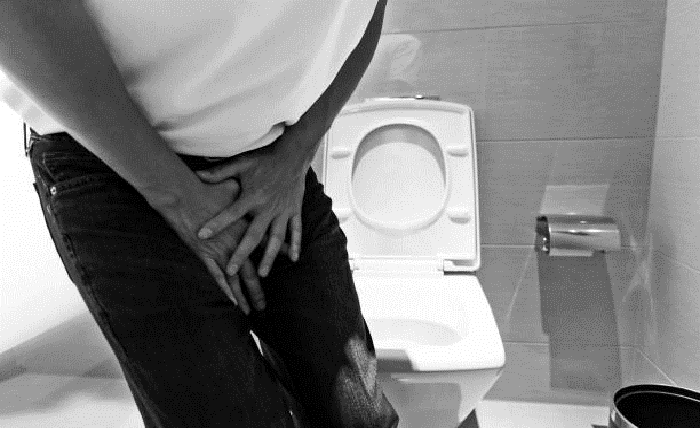
Urinary frequency, another name for hyperactive bladder, is more common in older adults and in women who have given birth. An overactive bladder is another common condition among men who have an enlarged prostate. Urinary frequency is also a danger in those with diabetes, neurologic conditions, or certain drugs.
Anatomy of the bladder
- When full, your bladder, which resembles an upside-down pear, can hold between 1.5 and 2 cups (400 and 600 milliliters) of urine.
- Your pelvic muscles are located beneath your bladder. These aid in keeping the urethra—the tube that delivers urine—closed and supporting your pelvic organs.
- The ring of muscles that encircles the urethra is called the urethral sphincter.
- These muscles are crucial for bladder control and are meant to remain tightly closed, preventing urine leakage.
- Involuntary urine loss and lack of bladder control are common in people with hyperactive bladder. Urine loss can vary greatly, from a handful of drops to an entire bladder.
- The most prevalent kind of incontinence is stress incontinence. It only takes a cough, a giggle, or a movement to start leaking.
- Urge incontinence is characterized by a sudden and frequent urge to pee, regardless of the amount of urine in the bladder.
Your everyday routine and way of life can be significantly impacted by an overactive bladder. These seven methods will help you control your overactive bladder.
1. Try bladder training
Overactive bladders can cause a person to become accustomed to urinating frequently or whenever they feel the need. Even when it’s unnecessary, some people may use the restroom to avoid an accident. And if you’re wondering how to get rid of diaper rash because of an overactive bladder, such training could be all-important.
The bladder eventually tells the brain it is full even though it isn’t. The need to urinate is triggered by it.
Bladder training entails habit modification. It entails using the restroom within designated periods even when there isn’t a need to. The bladder gets full as the intervals between urinating get longer over time. This aids in restraining a desire to urinate.
Generally, a bladder-training regimen consists of the following steps:
- Track down the pattern. For a few days, keep a journal. Every time you urinate, record it. A medical professional can use this diary to assist you in creating a bladder training schedule.
- Give it more time before urinating. You can find out how long it is between urinations by consulting your bladder diary. Increase the duration by fifteen minutes. Strive to wait an hour and fifteen minutes if you typically need to urinate every hour.
2. Dietary changes and fluid management
Chocolate and red wine both have the potential to trigger or exacerbate overactive bladder symptoms.
Making dietary adjustments is one of the simplest ways to cure OAB. This entails reducing fluid intake and eliminating a number of foods that are known to irritate the digestive system.
Foods to stay away from
Foods and beverages that have been shown to either trigger or exacerbate OAB symptoms include:
- Alcohol
- Artificial sweeteners
- Coffee
- Cocoa
- Citrus-flavored foods and drinks
- Corn syrup
- Juice from cranberries
- Fizzy drinks and dairy sodas
- Hot dishes
- Vinegar and honey and sugar
Food triggers can differ from individual to individual. Thus, it might be beneficial for people to maintain a journal of their food intake and symptoms related to their bladder.
Manage fluid intake
Water consumption is crucial for good health. Urine that is too concentrated due to dehydration can irritate the bladder’s lining and increase urgency. Frequency symptoms may get worse if you drink too many beverages. Drinking liquids before bed can increase the likelihood of nighttime urination.
A 2016 study that was published in Investigation and Reviews in Urology suggests avoiding liquids two to three hours prior to bedtime and restricting fluid consumption to six to eight glasses of water per day.
3. Add lemon and lime.
These fruits contain citric acid, which has additional benefits for specific individuals who have undergone “urinary diversion” surgery in addition to helping prevent kidney stones. You can make fresh lemonade or limeade (without sugar) or add natural lemon or lime juice to water, salad dressings, or cuisine to give more flavor. Aim for half a cup of lime or lemon juice each day.
4. Choose healthy fats.
Pay attention to foods high in healthy fats, such as flaxseed, avocados, almonds, vegetable oil, or organic canola oil. Some fish are also good sources: sardines, trout, sablefish, salmon, and herring. Steer clear of processed, fried, or burnt meats; packaged and canned foods; bleached rice or flour; and sugar.
5. Avoid certain drinks
If you have an overactive bladder, you should avoid the following drinks:
- Alcohol might alter your hormone levels, which can cause several symptoms related to your urine.
- Coffee and tea, among other caffeinated beverages: coffee is a diuretic medication, which means that it can increase the frequency and desire to pee. For instance, a sizable 2013 study discovered that men’s general urine urgency and decreased urinary tract symptoms were correlated with coffee and caffeine consumption. Moreover, higher coffee intake was linked to women’s urgency symptoms being worse.
- Coffee, citrus juice, and grapefruit pulp are examples of acidic beverages. The acidity of these beverages may irritate the lining of the bladder.
- Drinks containing artificial sweeteners, including aspartame and acesulfame K, can make you feel more prone to urination for the same reasons as previously mentioned.
6. The desire to urinate may intensify while you smoke.
Smoking causes coughing and irritation of the bladder lining, both of which are detrimental to someone with an overactive bladder.
Giving up smoking is a wise choice for reasons related to hyperactive bladder as well as general health. Start an official “Quit Smoking” program with your healthcare physician. For the best results, this program may include group support and medication to help you quit smoking.
7. Every day, use extra virgin olive oil.
Use three tablespoons of extra virgin olive oil (EVOO) daily in your recipes. It has been demonstrated that this particular olive oil helps lower blood pressure, blood glucose, insulin levels, and the risk of cancer and heart disease. It also helps reduce inflammation.
In the end!
Ultimately, urge incontinence is uneasy, but it can be effectively treated. Treatment options may include making adjustments to your habits and way of life. This is one of the reasons one must consult their healthcare providers before integrating helpful ways of managing an overactive bladder.