

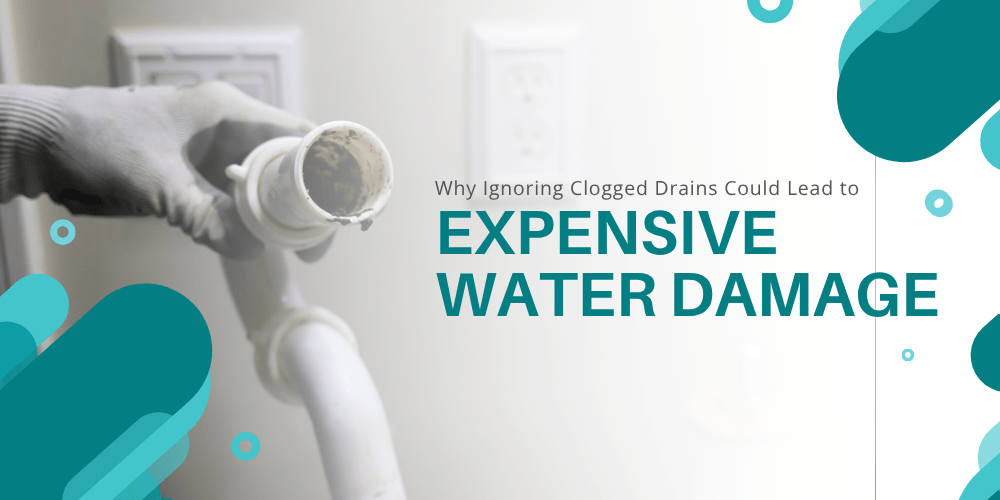
Do you think a slow drain isn’t a big deal? It might seem harmless initially, but clogged drains can quickly lead to backups, leaks, and even significant water damage. Waiting too long to address them can leave you with steep repair bills. Read on to see why early action makes all the difference.
Causes Water to Back Up Indoors
When clogged drains block water flow, the pressure builds quickly. Instead of moving safely through the pipes, water pushes back into your home. Drainage restrictions often lead to the following issues:
- Sinks and tubs may overflow, especially during heavy use.
- Toilets can back up, causing water and waste to spill onto the floor.
- Washing machines and dishwashers may leak, creating indoor flooding during drain cycles.
If not addressed early, these backups can cause damage such as:
- Flooring damage, including warping wood, lifting tiles, or soaking carpets.
- Cabinet deterioration, especially when moisture seeps into joints and surfaces.
- Drywall and baseboard damage often leads to mold growth or costly structural repairs.
Therefore, promptly clearing clogged drains helps protect your home and prevent extensive water damage.
Pressure Can Break or Crack Your Pipes
Water cannot flow freely when a blockage forms in your plumbing system. Instead, pressure builds up behind the clog, stressing pipes and joints. Over time, this pressure can cause the following problems:
- Cracks or bursts may occur in weakened or older pipes.
- Joints and seals can fail, causing leaks behind walls or under floors.
- Excess strain shortens the lifespan of the plumbing system.
Fortunately, you can relieve pressure early with the right drain blockage solutions, including:
- Hydrojetting clears tough clogs with high-pressure water.
- Professional snaking, which breaks apart blockages deep inside the pipes.
- Routine drain maintenance prevents pressure buildup before it starts.
Choosing proper solutions protects your pipes and avoids more costly repairs.
Leaks Can Soak into Walls and Floors
When hidden leaks occur, water quickly spreads behind walls and beneath floors. The following problems often develop when leaks go unnoticed:
- Water saturates drywall, leading to soft spots, stains, and material weakening.
- Moisture seeps into the subflooring, causing the wood to swell, warp, or decay.
- Damp areas encourage mold growth, which affects indoor air quality and spreads through hidden spaces.
Over time, these leaks can eventually lead to the following:
- Weaken the structure of walls, floors, and insulation layers.
- Increase repair costs, often requiring major replacements.
- Reduce home safety and value, making early detection important.
Regular inspections and prompt repairs help protect your home from deeper structural problems caused by hidden leaks.
Delaying Repairs Leads to Emergencies
Ignoring signs like slow drains, foul odors, or gurgling sounds worsens pressure and blockages. As a result, the following issues often develop:
- Pipes may burst suddenly, causing water damage inside the walls and floors.
- Sewer lines can back up, sending contaminated water into living spaces.
- Moisture spreads, damaging materials, and leading to costly restoration.
Additionally, delaying repairs also means:
- Emergency drain repair becomes necessary, costing more than regular maintenance.
- Home disruptions increase, requiring longer repairs and cleanup.
- The damage spreads further, leading to higher repair bills and more inconvenience.
Addressing minor issues helps you avoid emergencies, control costs, and keep your plumbing system working reliably.
Prevent Damage with Routine Maintenance
Simple habits go a long way in protecting your home’s plumbing system. Consistent with small steps lowers the risk of clogged drains and expensive repairs. Consider the following practices to help keep your drains clear and functional:
- Avoid grease, oils, and food scraps from kitchen sinks to prevent solid buildup and pipe blockages.
- Install and keep drain screens to catch hair, soap residue, and debris before they enter the plumbing system.
- Flush drains with hot water weekly to clear minor buildup and maintain steady flow.
- Dispose of hygiene products and wipes properly, rather than flushing them.
Moreover, scheduling regular drain inspections strengthens your prevention efforts. Routine checks help to:
- Catch early signs of buildup before major clogs form.
- Allow for minor repairs that prevent bigger plumbing emergencies.
- Support long-term system health, reducing the need for urgent interventions.
Daily habits and regular inspections help protect your home from clogs and unnecessary repair costs.
Don’t Wait for a Drain Disaster!
Even small clogged drains can turn into significant water damage if you leave them untreated. The longer you wait, the bigger and more expensive the problem can get. Thus, early action and innovative drain blockage solutions can stop emergencies before they start. If you notice slow drains or clogs, don’t ignore them—schedule an inspection or emergency drain repair today. For fast and reliable help, reach out for clogged drain solutions in Brisbane, CA, and keep your home protected.