

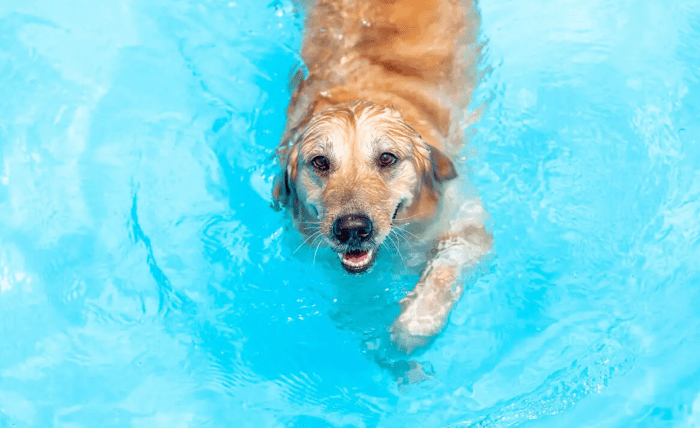
Pools can pose a hidden danger for pets, especially in households where the water remains accessible throughout the year. While most owners take precautions for children, pet safety often gets overlooked. Accidental slips, curiosity, or panic in the water can lead to fatal consequences for animals that don’t know how to escape. This reality has prompted many to reconsider how approach pool safety from a broader perspective. It’s not just about keeping pets out but also about ensuring they stay safe if they fall in. A combination of thoughtful planning and physical barriers forms the foundation of a secure pool environment.
Making a pool pet-safe involves more than simply covering it when not in use. Design choices, material durability, and surrounding structures all contribute to its safety profile. Some pets may weigh enough to sink pool covers or get trapped beneath them, which makes choosing the right kind essential. That’s why understanding the limitations of standard protection methods can help prevent unexpected risks. A safety plan that includes layers of defense, rather than relying on one solution, often offers the best results. The rest of this blog explores how to assess and improve pet safety around pools with the right tools and strategies.
Understanding How Pool Covers Protect Pets
Pools are often covered for seasonal reasons, but many also use covers as a pet safety measure. Not all covers, however, are built to support the weight or movements of pets in distress. That’s where safety pool covers come in, designed to handle unexpected contact without collapsing. These covers are tensioned across the pool surface and anchored to prevent gaps or sagging. This structure helps deter accidental falls and gives a trapped animal a chance to regain footing or wait for help. Pet owners looking to reduce risk should consider how these covers differ from simple tarps or floating blankets.
Though they offer peace of mind, these systems are not failproof if not installed or maintained correctly. Gaps along the edge or weak anchoring can become potential hazards. Therefore, it’s important to assess the material strength, tension system, and size before relying on them for pet safety. Additional fencing or alarms can supplement these barriers and provide alerts if an animal tries to access the area. By combining these physical safety tools, pool owners can create a secure zone rather than depend on a single barrier. Responsible pet ownership includes proactive thinking about how safety solutions perform in real-world scenarios.
The Role of Mesh Covers in Pet-Friendly Pool Design
The structure of pool cover mesh offers certain benefits that solid materials do not. Mesh allows water to pass through while keeping pets and debris out, which prevents dangerous puddles from forming on the surface. This design is especially useful in areas with frequent rain or fluctuating temperatures that might otherwise degrade solid covers. These types of covers are also lighter, making them easier to install and remove without professional help. Their breathability helps maintain water quality, reducing the buildup of bacteria or algae over time. When choosing between mesh and solid, the environmental conditions and pet habits should factor into the decision.
Still, not all mesh options are strong enough to resist weight from a panicking animal. That’s why pet owners must look for reinforced designs rated for safety applications, not just seasonal debris control. When a dog or cat steps onto the surface, it must remain taut and supportive to avoid collapse. Proper anchoring systems play a key role here, as loose or improperly secured covers can create hidden risks. In many cases, using this type of material alongside motion sensors or visual deterrents enhances the overall safety strategy. A layered approach often does more to keep animals out of danger than relying on one feature alone.
Why Inground Pool Covers Matter for Pet Protection
Many assume that inground pool covers are only necessary during off-seasons, but they serve a year-round function for pet safety. These covers help prevent accidental access and reduce drowning risks for animals that roam outdoor spaces freely. Because they sit flush with the ground or slightly raised, they create a seamless barrier when properly secured. This physical coverage limits not just pet entry but also discourages wildlife and pests from entering the water. When a pool isn’t supervised, having a durable cover in place acts as an immediate line of defense. It minimizes the chances of unnoticed falls and the tragic consequences that can follow.
However, not all designs are created for safety, especially when pets are a concern. Covers that merely block leaves or sunlight may lack the structural integrity needed to support sudden pressure. That’s why safety-rated options with reinforced stitching, secure anchoring, and reliable weight tolerance are crucial. Pool owners should consult installation professionals to ensure these systems meet the required load-bearing standards. Choosing a pet-safe solution is not just about material but about how it integrates with the entire pool setup. When approached with care, these additions can become an essential part of an animal-safe backyard.
Training and Supervision as Part of Pool Safety
Technology alone cannot fully safeguard pets from water-related accidents. Supervision and training remain critical components in ensuring their safety near the pool. Teaching dogs to avoid the pool area or use specific exits can add an important behavioral layer of security. However, pet behavior can be unpredictable, especially in unfamiliar or high-stress situations. That’s why safety tools should be considered complements, not replacements, for human awareness. Pool rules should extend to pets just as they do for children.
Some pet owners also use motion-sensor alarms to alert them if a pet breaches the perimeter. These alarms are most effective when used alongside physical barriers and well-maintained covers. Involving the whole household in pet safety protocols reinforces consistent routines and vigilance. Simple cues like closing gates, checking latches, and ensuring the cover is secure become daily habits. When pets are part of the family, their safety deserves a strategy that combines habit, hardware, and awareness. With proper planning, pool ownership becomes safer for all members of the household.
Evaluating Pool Layout and Surroundings for Animal Safety
Pool safety starts long before installation and extends well beyond the cover itself. The design of the pool area, including surrounding landscaping and hardscaping, plays a significant role in how easily pets can access or fall into the water. For example, elevated decking without barriers or open staircases leading to the pool can create access points pets use unintentionally. Integrating strategic fencing or textured surfaces around the pool can help deter animals from getting too close. Even water features like shallow ledges or steps can become hazards if a pet enters but can’t find a way to exit. These design considerations often go unnoticed but are crucial in minimizing risks for pets.
Additionally, lighting and visibility around the pool area affect how well pet owners can monitor movement after dark. Poorly lit spaces make it easier for animals to wander near the edge undetected. Installing motion-activated lights or subtle ground-level LEDs provides better oversight without being disruptive. Certain pets, especially older ones, may have limited vision or mobility, making clear pathways and boundaries essential. Incorporating tactile cues like raised edging or contrasting materials can help animals sense when they’re nearing the pool’s perimeter. These spatial cues act as a passive barrier, supporting other safety measures already in place. A thoughtful layout does not replace protective equipment; instead, it reinforces it at every level.
Wrap Up
Protecting pets around pools requires a mix of thoughtful design, quality products, and responsible oversight. Safety isn’t achieved through one solution but through a coordinated system that works together to reduce risk. Covering the pool is only the first step; understanding how that cover functions under stress is just as vital. While certain materials like mesh offer convenience, they must be backed by proper ratings and secure installation. Combining these tools with training and observation builds a stronger barrier than any one component alone. For pet owners, the goal should go beyond prevention and focus on full preparation.
Creating a pool-safe space for animals means adapting tools that prioritize real-world use, not just ideal conditions. Even the best equipment can fail without the support of daily routines and household awareness. Whether choosing a cover, installing alarms, or adjusting pet behavior, every action counts toward keeping them safe. With a careful balance of products and planning, pool safety becomes less of a worry and more of a habit. While no solution is perfect, a multi-layered approach leaves fewer chances for accidents. That’s the kind of peace of mind every pet owner deserves.