

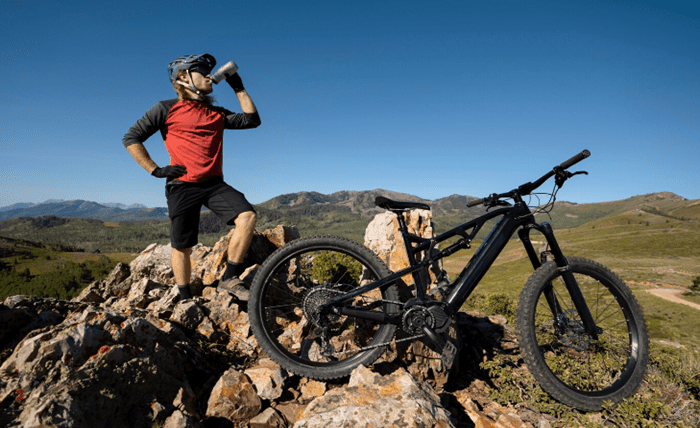
Mountain biking offers the thrill of adventure and nature’s beauty, all rolled into one exhilarating sport. But before you head out to tackle those rugged trails, there are a few key things every mountain biker should know.
From choosing the right bike and gear to understanding the importance of mountain bike insurance, being well-prepared ensures a safe and enjoyable ride.
Picking the Perfect Bike
While the name implies that these bikes must be ridden in the mountains, and it holds true for the most part, the reality is that not everyone lives near the mountains. Still, offroad terrain, from gravel roads to singletrack meandering through rolling hills, is available nearly everywhere in the US. Because of the diversity of the terrain, mountain bikes come in many flavors, each optimized for the particular type of riding.
Choosing the right mountain bike is essential for a great experience. There are different types of mountain bikes, each designed for a specific terrain and riding styles:
Cross-Country Bikes
Lightweight and ideal for smooth, rolling hills, singletrack trails and fire roads. These bikes are designed for speed and efficiency, and they are ideal for less technical terrain where climbing and traveling longer distances are prioritized. Cross-country bikes come in full-suspension and hardtail configurations, where only the front suspension is present. Suspension is usually moderate, in 100-120 mm range.
Trail Bikes
Designed for mixed terrain that includes moderate climbs and descends and technical sections, these bikes feature balanced geometry with suspension travel around 120-140mm. Trail bikes offer a good mix of efficiency and capability, making them versatile on varied terrain.
Enduro Bikes
Built to tackle steeper, rougher trails with occasional climbs and technical descents, these bikes have slacker geometry and suspension travel of 140-180mm. Designed to handle aggressive trails with a focus on descending while still being able to pedal uphill.
Downhill Bikes
These bikes are designed to provide maximum stability and control on the most demanding descents and massive jumps, but they are not practical for climbing. Downhill bikes live in bike parks with lift service or get shuttled to the top of a mountain in the back of a truck. Equipped with monster suspension in the 180-200 mm range, they also have heavier frames, which provide additional stability at speed.
Fat Bikes
Fitted with extra-wide tires (3.8-5 in), these bikes often forego traditional suspension because the large tires do an excellent job of floating over rougher terrain. Designed for riding on loose surfaces such as sand and snow, these bikes can go where all others would struggle.
The terrain you ride will largely determine the mountain bike you’ll need. Suppose your local trails are smooth and flowy. In that case, you’d do yourself a disservice by buying an enduro bike – it will feel heavy and sluggish on climbs, and descents will feel dull and uneventful – this concept is known as “overbiking,” a slang term that refers to using a bike with more suspension travel and geometry that’s needed for the trail. Contrary to overbiking, “underbiking” is popular with riders who prefer the challenge of riding trails that are outside of the capabilities of their bikes.
For most people, having the right bike for the terrain will yield the optimal experience. If you’re getting into the sport and are wondering what kind of bike is best for your local trails, your best bet is to visit a local bike shop since they stock the types of bikes that local riders seek out.
Test-riding several models can help you find the best fit. A budget bike that fits well will always be superior to a high-end bike that doesn’t quite fit. Comfort and control are essential to enjoyment and safety, so ensure the bike fits you well. All bike shops should provide at least a basic fitting service. Suspension is also crucial; full suspension offers better control and comfort on rough trails, whereas hardtail bikes (front suspension only) are lighter and often more affordable but require more skill to ride on rough trails.
Gearing Up Properly
Having the right gear can make all the difference. A well-fitted helmet is a must, as it protects your head in case of a fall. Gloves provide better grip and protect your hands, while knee and elbow pads offer extra protection during falls. Breathable, moisture-wicking clothing keeps you comfortable, and sturdy shoes with good traction are necessary for efficient pedaling and control.
Carrying a basic repair kit is also essential. Items like a spare tube, tire levers, a pump or a CO2 cartridge and inflator, and a multi-tool can save your ride if you encounter mechanical issues. Learning how to use these tools is best done at home, which will also help you determine if your emergency kit is adequate.
Hydration and nutrition are crucial, especially on long rides. Bring plenty of water and snacks to keep your energy levels up.
Understanding Trail Etiquette
Trail etiquette is about respect and safety. Always yield to uphill riders and be mindful of hikers and other trail users. Announce your presence when approaching others to avoid startling them. Stick to marked trails to protect the environment and maintain good relationships with landowners.
Ride within your limits to prevent accidents. If you’re unsure about a section of the trail, it’s better to walk your bike through it than risk a fall. Keeping an eye on trail conditions is essential; wet or muddy trails can be more challenging and cause damage to the paths.
Respect wildlife and leave no trace. Carry out all trash and avoid disturbing animals. Good trail etiquette ensures everyone can enjoy the outdoors safely and responsibly.
Mastering Basic Skills
Before tackling advanced trails, it’s essential to master basic mountain biking skills. Learn how to use your brakes to control speed and navigate obstacles properly. Practice shifting gears smoothly to handle varying terrain efficiently.
Body positioning is another crucial skill. Keep your weight balanced over the bike, and shift your weight forward or backward depending on the obstacle you are tackling. On descents, lower your center of gravity by bending your elbows and knees and shifting your weight slightly backward. Until you build explosive power, tackling long climbs is best done seated in the saddle and focusing on maintaining manageable cadence; once you develop enough strength, you can start “charging” hills out of the saddle, leveraging your body weight and core strength to extract more power out of each pedal stroke.
Cornering is a fundamental skill for maintaining speed and control on the trails. Enter turns wide and exit tight, using your body to guide the bike through the curve. Cornering at speed requires aggressively leaning your bike and your body and requires practice. Practicing these skills on more accessible trails builds confidence and prepares you for more challenging rides.
Preparing for the Unexpected
Out of all the cycling disciplines, mountain biking is the most injury-prone. Luckily, most crashes are not serious, even if they look or feel dramatic. The vast majority of crashes result in minor scrapes and bruises, with minor fractures and serious injuries being quite rare. It is prudent for mountain bikers to possess basic first-aid skills and carry a first-aid kit with bandages and antiseptic wipes to treat these minor cuts and scuffs on the trail.
Weather can change rapidly, especially in mountainous areas. Check the forecast before heading out and dress in layers to adapt to changing conditions. A lightweight rain jacket can be a lifesaver if caught in a sudden downpour.
Share your ride plan with someone before you go. Let them know your route and estimated return time. This way, someone will know where to find you if something goes wrong. A mobile phone with a fully charged battery and a portable charger can be handy in case of emergency.
The Importance of Mountain Bike Insurance
Mountain biking involves risks, and having mountain bike insurance can provide much-needed peace of mind. This insurance covers theft and damage to the bike, with optional coverages that can also pay medical bills, provide liability protection, and cover expenses arising from an accident with a car. A carefully optioned policy should address all risks associated with your cycling lifestyle, effectively shielding you from financial loss should the unexpected happen. With a dedicated bicycle insurance policy, you can focus on enjoying the ride without worrying about the what-ifs.
When reviewing your bicycle insurance options, check what the policy covers. Some policies include coverage for accidental damage, while others offer additional benefits like coverage for racing or traveling with your bike. Understanding your insurance options ensures you get the best protection for your needs.
Staying Motivated and Having Fun
Mountain biking is the most primal type of cycling you can do – it happens in nature, away from asphalt, traffic, and other nuances of civilization. You can stay close to home or venture into the backcountry, which forces you to be self-sustaining, making many rides feel like adventures. Before attempting long rides, you must build enough skill and fitness to do them safely.
Mountain biking is challenging because it requires both endurance and skill, which take time to develop. It’s easy to get discouraged because progress will seem slow at the beginning. Setting achievable short-term and long-term personal goals is the best way to keep your mind in the game. Whether mastering a new skill, exploring a new trail, or participating in a race, having goals can give you something to strive for. Celebrate your achievements, no matter how small, to keep your enthusiasm high.
Remember, the most important thing is to enjoy the ride; don’t get too caught up in speed or technicalities. Take in the scenery, appreciate the challenge, and have fun. Mountain biking is a fantastic way to connect with nature and enjoy adventure.
Conclusion
Mountain biking is all about the thrill, the challenge, and the joy of being out in nature. You can turn every ride into an unforgettable adventure with the right bike, gear, and mindset. Remember safety, respect the trails, and have mountain bike insurance to protect yourself and your bike.