


As adolescents, we faced many issues that we did not care to tell anyone. Trichotillomania is one condition that most people in adolescence have faced but not reported. Well, we are not saying that every child, but it affects 0.5% to 2% of the total population. This is equally prevalent among females and males, but the reports came more from female members. What is Trichotillomania? Well, it is basically a hair-pulling disorder that mainly deals with the mental conditions of a person. You might have seen people bite their nails when they are in tension, which is common for many.
We have been doing these for years, and no one really cares about it. But it is also a medical condition which is known as onychophagia. Just like that, Trichotillomania suggests a medical condition of a person who has the bad habit of repeatedly pulling hair out, typically from eyebrows, scalp, and eyelashes, and sometimes pubic hairs as well. Do we need to be aware of it or take it seriously? Of course! Otherwise, for many, it goes to some extent where it can hurt us badly. Trichotillomania, or pathological hair pulling, comes under medication and behavioral therapy. People with Trichotillomania may also develop trichophagia. Well, trichophagia is a condition when you desire to eat the hairs you have pulled out from your body parts. Yes! It’s awful! And it needs treatment!
How Do We Recognize The Signs?
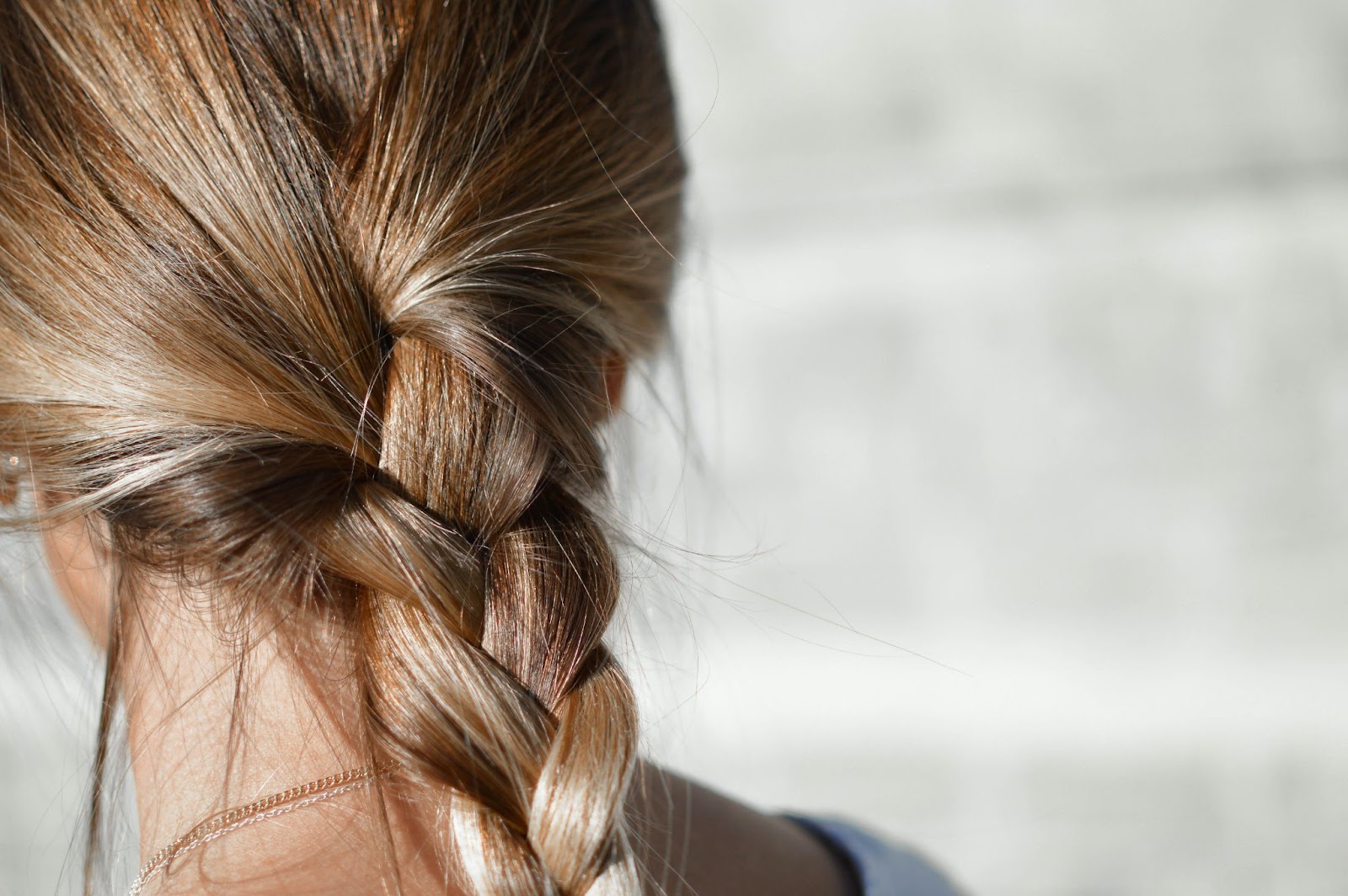
Recognizing the signs or symptoms of Trichotillomania is not very difficult. You might have heard the name for the first time, but that does not mean you were unaware of the things in your life with others. Though it’s not very common or the stages are lower in many people, here are some symptoms that you will find predominantly among them. This is where Trichotillomania confirms its signs.
- People repeatedly pull their eyebrows, eyelashes, scalp hairs, and sometimes from body areas.
- They find a sense of pleasure or relief after the hair is pulled.
- They feel increasing tension before pulling or when you try to resist pulling.
- You will find noticeable hair loss in people with Trichotillomania.
- They can lack hairs in certain body areas, and you may also see them missing eyebrows and eyelashes weirdly.
- Some people are picky with specific types of hair-pulling behaviors.
- Biting, chewing, or eating pulled-out hair.
- They might also feel the tension when they are trying to stop this hair-pulling behavior on their own.
- Problems and distress at work, school, and social places as they always feel tension and their concentration may be intact for pulling hair.
- Playing with pulled-out hair or rubbing it across your lips or face.
What Are The Possible Treatments?

Before we sink into the treatment process, we want to share with you some information. Well, 24.9% of people with a lifetime of Trichotillomania have not cared about their symptoms; after a certain age, they have lost their symptoms completely. Well, this might seem like good news for you, but it is not! Why? Well, because there is no surety of it stopping on its own for everyone, and even if the day comes in the future, you might lose all your hair from different body parts. So, still, is it looking like a good solution not to get a treatment? Well, several possible treatments are available for this condition, including cognitive behavioral therapy, medication, habit reversal training, and support groups.
Medications
You should always see a doctor, but some common medications and HabitAware smart bracelets are generally used for Trichotillomania treatment. Consult your doctor before taking anything.
- Selective serotonin reuptake inhibitors (SSRIs) are a class of antidepressants.
- Naltrexone, which is an opioid antagonist.
- Olanzapine, which is an antipsychotic.
- Clomipramine, which is a tricyclic antidepressant.
- N-acetylcysteine.
The most effective treatment approach depends on the individual’s circumstances. So, it’s crucial that you consult with your mental health professional before digging into any treatment process.
Behavioral Therapy
Behavior is the main portion of this mental condition that we need to work on efficiently. Tension is available for all. Yes! The level can be more or less, but tension is one of our common life factors. If you cannot deal with tension, then you might have conditions to take care of. When it’s mental, we have to consider behavioral therapy for Trichotillomania first. From tension, we start pulling hairs, and to stop that behavior, we can follow the below.
- Awareness training.
- Motivation and compliance.
- Relaxation training.
- Competing response training.
- Generalization training.
These basic treatment processes mainly work on the behaviors of the patients with Trichotillomania.