

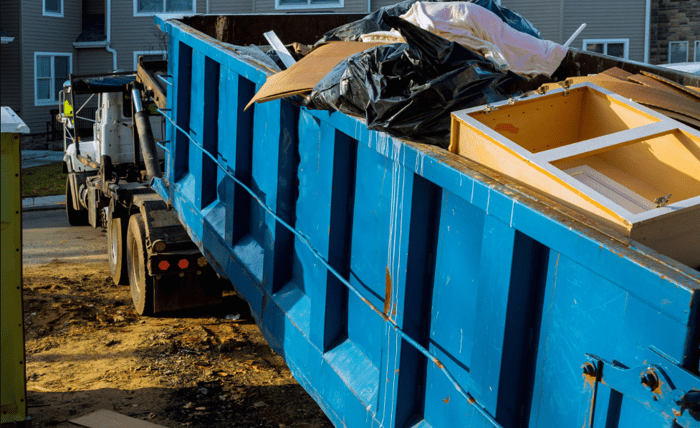
Before diving into dumpster rental, it’s important to understand the specifics of the project. This ensures the right size and type of dumpster are selected, avoiding unnecessary costs and delays. Careful assessment upfront saves time and money in the long run.
Understanding Waste Volume Requirements
Estimating the amount of waste is the first step. Accurately gauging the volume prevents overspending on an oversized dumpster or needing a second one. Consider the scope of the project. Is it a small home cleanout or a major construction job?
Think about the dimensions of the debris. Discarded furniture, construction materials, and yard waste all take up different amounts of space. A good rule of thumb is to overestimate slightly to avoid overflowing the dumpster rental.
Identifying Debris And Material Types
Not all materials can go into the same dumpster. Some items may be prohibited due to environmental regulations or landfill restrictions. Knowing the types of debris is important for compliance and cost management.
Construction debris, household junk, yard waste, and recyclable materials each have their own disposal requirements. Mixing prohibited items can result in extra fees or rejection of the load. Check with the rental company about acceptable materials.
Segregating waste streams at the source can reduce disposal costs and promote recycling. This involves separating materials like concrete, wood, and metal for proper handling.
Evaluating Site Access And Placement
Consider where the dumpster will be placed on the property. Accessibility for delivery and pickup is important, as is the surface where the dumpster will sit. Ensure there’s enough space for the truck to maneuver.
Think about potential obstacles like overhead wires, trees, or fences. The placement should also be convenient for loading waste. A level, solid surface is important to prevent damage to the property or the dumpster itself.
Also, check local regulations regarding dumpster placement on public streets or sidewalks. Permits may be required, and there may be restrictions on placement near fire hydrants or other utilities.
Comparing Dumpster Rental Sizes And Configurations
Choosing the right dumpster rental means understanding the options. Different projects need different sizes and types. It’s all about finding the best fit.
Standard Roll-Off Dumpster Options
Roll-off dumpsters are the workhorses of waste disposal. They come in various sizes, typically measured in cubic yards. These are great for construction, renovations, and big cleanouts.
Sizes range from 10-yard dumpsters for small projects to 40-yard dumpsters for major construction. Consider the volume of waste you expect to generate.
Mini Dumpster Rental Benefits
Mini dumpsters are perfect for smaller projects or tight spaces. They’re easier to maneuver and take up less room. Think of them for home decluttering or small renovations.
Mini dumpster rentals usually range from 2 to 8 cubic yards. They’re ideal for urban areas or projects with limited waste.
Mini dumpsters are a great option for projects with limited space or smaller waste volumes. They offer a convenient and cost-effective solution for residential cleanups and minor renovations.
Specialty Waste Container Varieties
Some projects need specialized containers. These might include dumpsters for concrete, green waste, or hazardous materials. Always check local regulations.
Specialty containers ensure proper disposal and compliance. They help keep the environment safe and avoid fines. These are often required for specific types of construction debris.
Balancing Rental Duration With Budget Constraints
Short-Term Vs Extended Dumpster Rental
Time is money, especially with dumpster rental. Short-term rentals work well for quick projects. Think a weekend cleanup or a small renovation.
Extended rentals offer flexibility for larger, ongoing jobs. This could be a major home remodel or a landscaping overhaul. Consider the project scope to choose wisely.
Ultimately, the goal is to minimize costs while having the dumpster as long as needed.
Evaluating Daily And Weekly Rates
Daily rates can seem cheap, but they add up fast. They are best for very short projects. Make sure you really will be done in a day or two.
Weekly rates often provide better value for rentals lasting several days. Compare the total cost for your estimated rental period. Look at the fine print.
Consider if you need the dumpster for 5 days, a weekly rate might be cheaper than 5 daily rates. It’s all about the math.
Avoiding Unforeseen Rental Fees
Overweight dumpsters lead to extra charges. Always know the weight limit and avoid exceeding it. Distribute heavy items evenly.
Prohibited items can also trigger fees. Check the rental agreement for a list of what’s not allowed. Common culprits include tires, paint, and hazardous materials.
Late return fees are another common pitfall. Plan your project timeline carefully to avoid extending the rental period. Communicate with the rental company if delays arise. Good communication can save money and stress.
Maximizing Value Through Dumpster Rental Pricing Strategies
It’s smart to get the most for your money when renting a dumpster. Understanding pricing strategies can help you save. Let’s explore ways to maximize value.
Negotiating Flat Rate Rental Packages
Flat rate packages can simplify budgeting. Negotiate a rate that includes delivery, pickup, and a specific weight allowance. This avoids surprise charges.
Consider these points when negotiating:
- Clearly define the scope of your project.
- Ask about weight limits and overage fees.
- Compare quotes from multiple providers.
A flat rate provides cost certainty. It’s easier to manage your budget when you know the total cost upfront.
Leveraging Seasonal Discounts And Offers
Dumpster rental companies sometimes offer discounts during slower seasons. Look for deals during off-peak times. This can significantly reduce your dumpster rental cost.
Here’s how to find seasonal discounts:
- Check company websites for promotions.
- Call rental companies directly to ask about deals.
- Be flexible with your rental dates.
Understanding Inclusive Disposal Services
Some rental agreements include disposal fees. Make sure you know what’s covered. This can impact the overall cost of your dumpster rental.
Consider these questions:
- Does the price include landfill fees?
- Are there extra charges for specific materials?
- What happens if you exceed the weight limit?
Streamlining Dumpster Rental Logistics
Dumpster rental doesn’t have to be a headache. Good planning makes all the difference. Let’s look at how to make the process smooth.
Scheduling Delivery And Pickup Around Timelines
Timing is everything. Coordinate delivery to match project start. This avoids delays and keeps things moving.
Consider project phases. Schedule pickup promptly after completion to free up space. Dumpster rental companies often have flexible options.
Communicate clearly with the rental company. Confirm dates and times to prevent misunderstandings.
Coordinating Permits And Local Regulations
Permits might be needed. Check local rules before delivery to avoid fines.
Regulations vary by location. Understand weight limits and prohibited items.
Ignoring local rules can lead to problems. It’s better to be safe than sorry.
Ensuring Safe And Accessible Placement
Choose a level surface. This prevents the dumpster from shifting or tipping.
Consider accessibility for loading. Make sure there’s enough space to move around.
Keep the area clear. Remove obstacles to ensure safe and easy access for both you and the dumpster rental company.
Enhancing Sustainability In Dumpster Rental Practices
Implementing Waste Sorting And Recycling
It’s time to think green! Dumpster rental doesn’t have to be a dirty business. Sorting waste at the source makes a huge difference.
Consider setting up separate bins for different materials. This makes recycling easier and more effective.
Proper sorting reduces landfill waste and promotes resource recovery.
Selecting Eco-Conscious Rental Providers
Not all dumpster rental companies are created equal. Look for providers committed to sustainability. Ask about their recycling rates and waste management practices.
Choose companies that prioritize environmentally friendly disposal methods. Support businesses that invest in green initiatives.
Eco-conscious providers often offer transparent reporting on waste diversion.
Minimizing Landfill Impact
Every little bit counts when it comes to reducing landfill waste. Proper waste management is key to minimizing environmental impact. Think about ways to reduce the amount of trash that ends up in landfills.
Consider donating reusable items instead of throwing them away. Explore options for composting organic waste.
Reducing landfill waste helps conserve natural resources and protect ecosystems. It’s a win-win for everyone.
Maintaining Safety And Compliance In Dumpster Rental
Adhering To Weight And Load Limits
Weight limits exist for a reason. Overloaded dumpsters are a safety hazard. They can damage the truck and pose risks during transport.
Always check the weight restrictions before filling the dumpster. Distribute weight evenly to prevent shifting during transit.
Ignoring these limits can lead to extra fees or refusal of service. It’s just not worth it.
Reviewing Prohibited Items Policies
Certain items are a no-go in dumpsters. These often include hazardous materials, tires, and electronics. Each rental company has its own list.
Disposing of prohibited items can result in hefty fines. It’s the renter’s responsibility to know what’s allowed.
Always ask for a list of prohibited items. Proper disposal of these items is crucial for environmental safety.
Complying With Local Waste Disposal Laws
Local regulations dictate waste disposal. These laws cover everything from placement to acceptable materials. Ignorance isn’t an excuse.
- Check local ordinances before renting.
- Obtain necessary permits.
- Follow guidelines for waste sorting.
Failure to comply can lead to fines and legal issues. Stay informed to avoid problems with your dumpster rental.
Conclusion
In the end, mini dumpsters make small jobs a lot easier. They fit tight spaces, cut down on trips to the landfill, and help keep your project on budget. Renters pick the right size, set a drop-off time that works for them, and fill it up at their own pace. When it’s full, the rental company hauls it away—no heavy lifting or wasted weekends. Plus, sorting out recyclables can keep more trash out of dumps. For anyone tackling a garage clean-out, a quick remodel, or backyard work, a mini dumpster is a practical choice. A few calls to local providers, a simple quote, and they’re ready to go.