

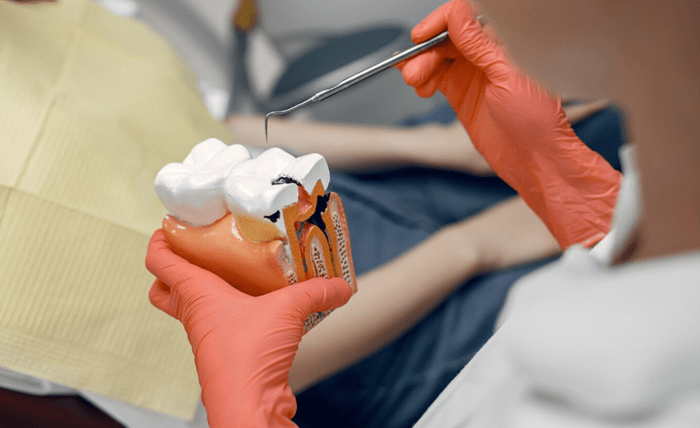
A root canal is a common dental procedure designed to treat infection or damage to the pulp of a tooth. Despite its reputation, it’s essential to understand that a root canal can relieve pain and save your tooth. Preparing adequately for the procedure can help alleviate anxiety and ensure a smoother experience.
This step-by-step guide will walk you through the essential preparations for a root canal. By following these steps, you can approach your dental visit with confidence and clarity, making the process as comfortable as possible.
1. Understand the Procedure
Before your root canal appointment, it’s crucial to understand what the procedure entails. A root canal typically involves:
- Diagnosis: Your dentist will assess your tooth through X-rays and clinical evaluation.
- Anesthesia: Local anesthesia will be administered to numb the affected area.
- Pulp Removal: The infected or damaged pulp will be removed.
- Cleaning and Shaping: The inside of the tooth will be cleaned and shaped for filling.
- Filling: The tooth will be filled with a special material to seal it.
- Crown Placement: In many cases, a crown may be placed on the tooth afterward to restore its function and appearance.
Understanding these steps can help ease any anxiety you may have about the procedure.
2. Discuss Your Concerns with Your Dentist
Before your appointment, take the time to discuss any concerns or fears you may have with your dentist. This is your opportunity to ask questions about the procedure, anesthesia, and recovery process. Your dentist can provide you with all the necessary information and may offer solutions to alleviate your anxiety, such as sedation options.
3. Follow Pre-Procedure Instructions
Your dentist may provide specific instructions to follow before your root canal. These can include:
- Eating and Drinking: If your procedure involves sedation, you may be advised not to eat or drink for a certain period before your appointment.
- Medication: Inform your dentist about any medications you are taking. They will advise you on whether to continue or pause certain medications before the procedure.
Following these instructions is crucial for your safety and comfort during the root canal.
4. Arrange Transportation
If you’re receiving sedation during your root canal, it’s essential to arrange transportation to and from the dental office. Sedation can impair your ability to drive, so having a friend or family member available to take you home is important. Inform them about your appointment time and expected duration so they can plan accordingly.
5. Prepare for Post-Procedure Care
After your root canal, you may experience some discomfort or sensitivity in the treated area. To prepare, consider the following:
- Over-the-Counter Pain Relief: Discuss pain management options with your dentist. They may recommend over-the-counter pain relievers like ibuprofen or acetaminophen.
- Soft Foods: Stock up on soft foods, such as yogurt, applesauce, and soups, to make eating easier after the procedure.
- Ice Packs: Having ice packs on hand can help reduce swelling and numb any discomfort after the procedure.
Being prepared for recovery will make your post-procedure experience more comfortable.
6. Practice Relaxation Techniques
Feeling anxious before a dental procedure is normal. To calm your nerves, consider practicing relaxation techniques such as:
- Deep Breathing: Take slow, deep breaths to help reduce anxiety.
- Visualization: Imagine a positive outcome for the procedure and visualize yourself feeling relaxed and pain-free afterward.
- Meditation or Mindfulness: Engaging in mindfulness exercises can help center your thoughts and reduce pre-procedure jitters.
Using these techniques can create a more positive mindset going into your appointment.
7. Gather Necessary Documents
Before your appointment, ensure you have all necessary documents ready. This may include:
- Insurance Information: Bring your insurance card and any relevant paperwork that your dental office may require.
- Identification: A government-issued ID may be needed for verification purposes.
- Medical History: Prepare a list of medications you are currently taking and any allergies you may have.
Having these documents ready will streamline the check-in process and ensure that your dentist has all the information they need.
8. Arrive Early
On the day of your root canal, aim to arrive at the dental office early. This gives you time to complete any necessary paperwork and allows you to settle in before the procedure. Arriving early can also help you manage any last-minute anxiety and provide a calm transition into your appointment.
9. Follow Post-Procedure Instructions
After your root canal, your dentist will provide specific aftercare instructions. Make sure to follow these closely to promote healing and prevent complications. Common post-procedure instructions include:
- Avoiding Hard Foods: Stick to soft foods for a few days.
- Managing Pain: Take prescribed medications as directed to manage discomfort.
- Avoiding Strenuous Activity: Limit physical activity for the first few days to allow your body to recover.
Following these guidelines is crucial for a successful recovery.
10. Schedule a Follow-Up Appointment
Finally, don’t forget to schedule a follow-up appointment with your dentist. This visit is important for monitoring the healing process and ensuring that the root canal was successful. Your dentist will check for any signs of infection or complications and may discuss the placement of a crown if needed.
FAQs
1. Is a root canal painful?
Most patients report that a root canal is no more painful than having a cavity filled. Local anesthesia is used to numb the area, and many people feel little to no discomfort during the procedure.
2. How long does a root canal take?
A root canal typically takes about 1 to 2 hours, depending on the complexity of the case and the number of canals involved in the tooth.
3. What should I expect after the procedure?
After a root canal, you may experience mild discomfort or sensitivity for a few days. Over-the-counter pain relievers are usually sufficient to manage any discomfort.
4. How can I care for my tooth after a root canal?
Avoid chewing hard foods on the treated tooth until it has fully healed. Maintain good oral hygiene by brushing and flossing regularly, and follow any specific aftercare instructions given by your dentist.
5. Will I need a crown after my root canal?
In many cases, a crown is recommended after a root canal to protect the tooth and restore its function. Your dentist will discuss this with you during your follow-up appointment.
Conclusion
Preparing for a root canal doesn’t have to be a daunting task. By understanding the procedure, discussing your concerns with your dentist, and following the outlined steps, you can approach your appointment with confidence and peace of mind. Taking the time to prepare will not only ease your anxiety but also contribute to a smoother experience and a successful recovery.
Remember that root canals are a common dental procedure designed to alleviate pain and save your tooth, ultimately improving your oral health. With the right preparation, you can navigate this process effectively and comfortably.