

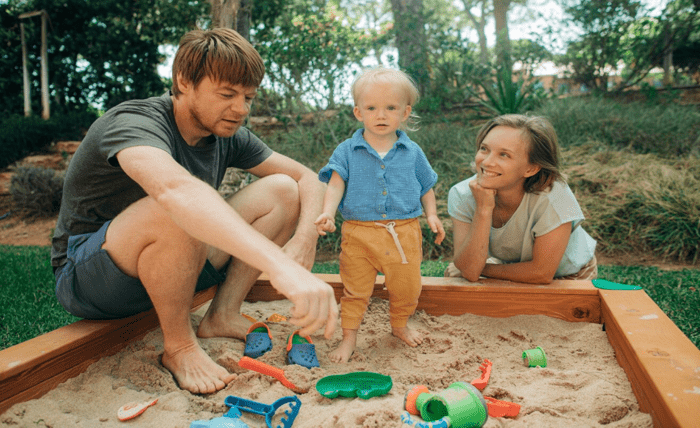
If you’ve got a backyard and a curious little explorer, a sandpit can become the most loved spot outside. Digging, building, scooping, creative, and great for motor skills. But like anything fun, safety matters too. You don’t want surprises when your little one’s elbow-deep in sand. So before you grab the shovel and get started, this article will teach you how to make that sandpit safe and enjoyable every single time.
-
Choose the Right Location First
Before you pour the first scoop of sand, take a moment to choose the right spot for the sandpit. Aim for a spot that’s easy to watch, not too close to fences, trees, or sharp tools, and away from busy walkways. In addition to that, go for level ground with good drainage so water doesn’t pool and turn the sand soggy. Always remember that a bit of shade or a cover helps keep it cool and safe during hot afternoons.
-
Pick the Right Kind of Sand
Not all sand works well for play areas, so it’s important to choose the right kind. Take note that play sand is made for young hands, so it’s washed, screened, and free from dust or harmful materials. As a result, this makes it much safer if some accidentally gets in the mouth or eyes. Don’t forget to avoid industrial sandpits for your children, since those types can irritate your kid’s skin or cause breathing issues.
-
Keep Hands and Toys Clean
After a few minutes in a sandpit, hands usually get covered in dust and grime, so regular washing really helps. Teach your little one to wash before and after playtime, it’s a small habit that keeps bacteria from spreading. You should clean your kid’s toys too, so rinse shovels, buckets, and molds often. If anything sits outside overnight, give it a quick wash before the next play session to keep the sand safe.
-
Add a Cover When It’s Not in Use
A sandpit cover isn’t just for keeping out rain, it helps keep out curious animals, falling leaves, and bugs too. Using a simple wooden lid or a breathable mesh cover adds an extra layer that protects the sand and makes the cleanup much easier. You’ll also want to remove any standing water before putting the cover back on. Remember, trapped moisture can lead to mildew or make the sand hard and unpleasant.
-
Supervision Is Always Important
You don’t need to hover or interrupt every two minutes, but staying nearby is a must. Watch for any rough play or trying to climb inside with muddy shoes because this can lead to little bumps or messy accidents. When your little one knows you’re close, the experience feels secure and comfortable. Whether you’re sitting with a coffee or reading a book, a quick glance now and then makes a difference.
-
Refresh the Sand Regularly
Keep in mind that, over time, bits of grass, food crumbs, and tiny debris work their way in. You don’t need to replace all the sand every month, but stirring it weekly and adding a fresh top layer every few weeks helps a lot. Every few months, scoop out old sand, wash the base, let it dry, and refill it with clean play-grade sand. Doing this is a bit of work, but your little kid deserves a clean place to play.
Make Sandpits Fun and Safe!
Sandpits offer adventure, imagination, and hours of fun. With the right steps, you can give your little one a safe place to dig, build, and dream. From choosing the correct spot to setting up safe habits, a bit of planning goes a long way. So grab the buckets, lay out the rules, and let the digging begin. Therefore, having a clean, safe sandpit turns your backyard into a little beach getaway, no travel required.