

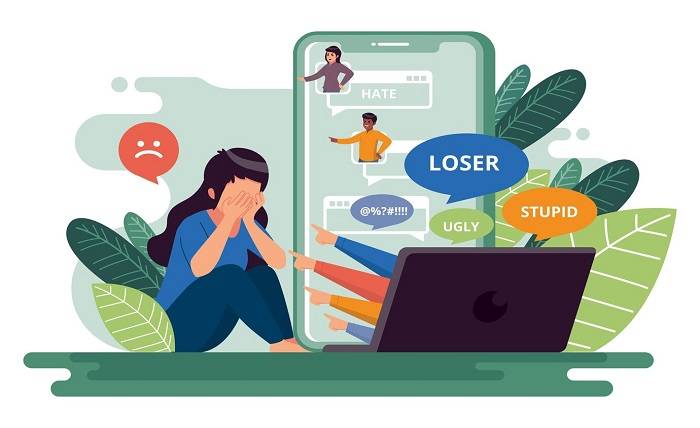
In today’s digital age, the internet is an integral part of our lives. From work to socializing, entertainment to education, the online world offers endless opportunities. However, this convenience comes with a significant downside: online addiction. Often overlooked or misunderstood, online addiction can have severe consequences on an individual’s mental, emotional, and physical well-being. Understanding the signs of online addiction and knowing how to take appropriate action is crucial for maintaining a healthy balance in life.
What is Online Addiction?
Online addiction, also known as internet addiction disorder (IAD), is characterized by excessive or poorly controlled preoccupations, urges, or behaviors regarding internet use that lead to distress or impairment. It’s not just about spending a lot of time online; it’s about the negative impact that this behavior has on a person’s daily life. This can manifest in various forms, including social media addiction, online gaming addiction, online gambling addiction, and compulsive web surfing.
Common Signs of Online Addiction
Recognizing online addiction can be challenging, especially since the internet is so deeply embedded in our daily routines. However, certain behaviors and patterns can indicate a problem.
- Preoccupation with the Internet
- Constantly thinking about being online, even when not using the internet.
- Planning the next online activity while engaged in other tasks.
- Neglecting responsibilities or activities that were once important.
- Loss of Interest in Offline Activities
- Loss of interest in hobbies or activities that don’t involve the internet.
- Reduced participation in social activities with family and friends.
- Preferring virtual interactions over face-to-face communication.
- Inability to Control Online Use
- Trying to reduce time spent online but repeatedly failing.
- Feeling restless, irritable, or depressed when unable to access the internet.
- Spending more time online than intended, often leading to sleep deprivation.
- Neglecting Responsibilities
- Ignoring work, school, or household duties to spend more time online.
- Decline in academic or job performance due to excessive internet use.
- Financial problems stemming from online shopping, gaming, or gambling.
- Lying About Internet Use
- Concealing the amount of time spent online from family or friends.
- Downplaying the negative consequences of internet use.
- Making excuses for excessive internet use, such as “I need to relax.”
- Escaping from Reality
- Using the internet to escape from real-life problems or unpleasant emotions.
- Developing a sense of comfort and security only when online.
- Preferring the virtual world over real-world interactions and responsibilities.
- Physical Symptoms
- Experiencing physical discomfort, such as carpal tunnel syndrome, dry eyes, or back pain, due to prolonged internet use.
- Sleep disturbances or irregular sleep patterns caused by late-night internet use.
- Neglecting personal hygiene or physical health in favor of staying online.
The Impact of Online Addiction
The consequences of online addiction are far-reaching and can affect every aspect of a person’s life.
- Mental Health Issues
- Anxiety, depression, and loneliness are commonly associated with online addiction.
- Increased risk of developing other addictive behaviors, such as substance abuse.
- Lowered self-esteem due to online comparison and cyberbullying.
- Social Isolation
- Strained relationships with family and friends due to lack of communication and face-to-face interaction.
- Increased sense of loneliness and detachment from the real world.
- Difficulty in forming meaningful, offline relationships.
- Physical Health Decline
- Sedentary lifestyle leading to obesity, heart disease, and other health problems.
- Eye strain, headaches, and other vision-related issues due to prolonged screen time.
- Poor posture and musculoskeletal problems caused by long hours spent at the computer.
- Financial Problems
- Uncontrolled spending on online shopping, gaming, or gambling.
- Accumulation of debt due to subscription services, in-app purchases, or online gambling losses.
- Neglect of financial responsibilities, such as paying bills, in favor of spending money online.
- Academic and Professional Decline
- Decreased productivity and focus at work or school due to constant online distractions.
- Missing deadlines, poor grades, or job performance issues due to excessive internet use.
- Risk of job loss or academic failure if online addiction is not addressed.
Taking Action Against Online Addiction
Recognizing the problem is the first step toward recovery. Here are some practical steps to take action against online addiction.
- Set Clear Boundaries
- Establish specific times for internet use and stick to them.
- Create tech-free zones in your home, such as the dining room or bedroom.
- Use tools like timers or alarms to remind you when it’s time to log off.
- Engage in Offline Activities
- Rediscover hobbies and interests that don’t involve the internet, such as reading, exercising, or playing a musical instrument.
- Spend time outdoors to reconnect with nature and reduce screen time.
- Join clubs or groups that promote offline interaction and community involvement.
- Seek Professional Help
- Consult a therapist or counselor who specializes in internet addiction.
- Consider joining a support group where you can share experiences and coping strategies with others facing similar challenges.
- Explore cognitive-behavioral therapy (CBT) as a method to change unhealthy online habits.
- Involve Family and Friends
- Share your concerns with trusted friends or family members and ask for their support.
- Plan social activities that encourage offline interaction, such as game nights or group outings.
- Set up accountability measures, such as regular check-ins, to monitor your progress.
- Use Technology Wisely
- Install apps or software that limit your online time or block distracting websites.
- Turn off notifications to reduce the temptation to check your phone or computer constantly.
- Practice mindful browsing by being conscious of your internet usage and its impact on your life.
- Educate Yourself and Others
- Learn about the dangers of online addiction and share this knowledge with others.
- Encourage open discussions about internet use and its potential risks within your community.
- Advocate for a balanced approach to technology that prioritizes mental and physical well-being.
Digital Cleanse: Resetting Your Relationship with Technology
One effective strategy for combating online addiction is implementing a digital phone cleanse. A digital cleanse involves temporarily stepping back from online activities to reassess and reset your relationship with technology. The goal is to break the cycle of compulsive internet use, allowing you to develop healthier digital habits moving forward.
Start by identifying the online activities that consume most of your time. Are you constantly checking social media, binge-watching videos, or playing online games? Once you have identified these activities, set clear goals for your digital cleanse. For example, you might decide to take a break from social media for a week, limit your screen time to two hours a day, or avoid using your phone after 8 p.m.
During the cleanse, replace online activities with offline alternatives. Engage in hobbies that don’t involve screens, such as reading, exercising, or spending time with loved ones. Take this time to reconnect with the real world and rediscover the joys of face-to-face interactions. The digital cleanse can also serve as a period of reflection, helping you understand the impact of online addiction on your life and motivating you to make long-term changes.
After the cleanse, reintroduce technology gradually and mindfully. Set boundaries to prevent falling back into old habits, such as designating tech-free times or spaces in your home. By approaching technology with intention, you can maintain a healthier balance and reduce the risk of slipping into online addiction.
Parental Controls: Safeguarding Young Users
For parents, managing a child’s online activity is crucial in preventing the development of internet addiction. Parental control tools offer an effective way to monitor and restrict your child’s digital habits, ensuring they have a safe and balanced online experience.
Parental control software can help you set appropriate boundaries for your child’s internet use. These tools allow you to block access to inappropriate content, limit screen time, and monitor online behavior. For instance, you can use these controls to ensure that your child only has access to educational websites during school hours or to block social media platforms at bedtime.
Implementing parental controls also gives you the opportunity to teach your child about responsible internet use. Discuss the reasons for setting limits and involve them in the process of creating rules for screen time. This not only fosters open communication but also empowers your child to make mindful choices about their digital habits. Some operating systems have their own controls such as the parental controls on Mac devices, but parents can also opt to use third-party apps.
Conclusion
Online addiction is a growing concern in our increasingly digital world. By recognizing the signs early and taking proactive steps, it’s possible to regain control over internet use and restore balance to your life. Whether through setting boundaries, seeking professional help, or engaging in offline activities, the key to overcoming online addiction lies in awareness, action, and support from loved ones. Remember, the internet is a tool meant to enhance our lives, not dominate them.