

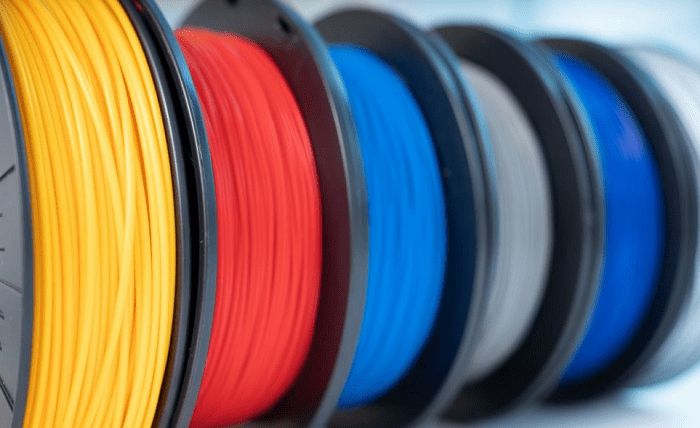
PLA (Polylactic Acid) is one of the most popular materials used in 3D printing, known for its biodegradability, ease of use, and environmentally friendly properties. Whether you’re a hobbyist or a professional, understanding the nuances of PLA filament is key to achieving high-quality 3D prints. In this guide, we’ll dive deep into what makes PLA filament unique, how to use it effectively, and why it’s a top choice for many 3D printing enthusiasts.
What Is PLA Filament?
PLA filament is a thermoplastic material made from renewable resources like cornstarch or sugarcane, making it biodegradable and a more eco-friendly alternative to other filaments like ABS. This material melts at a relatively low temperature, which makes it easier to work with and ideal for beginners. It doesn’t emit harmful fumes during printing, contributing to a healthier workspace.
Key Characteristics of PLA Filament:
- Ease of Use: PLA is known for being user-friendly, with minimal warping, making it a great choice for those new to 3D printing.
- Environmentally Friendly: As it’s derived from natural resources, PLA is biodegradable, unlike petroleum-based plastics.
- Low Melting Temperature: This allows for lower energy consumption and reduces the chances of clogging in your 3D printer’s nozzle.
- High Visual Quality: PLA filament can produce prints with a smooth finishand vibrant colors, making it suitable for aesthetic projects.
Advantages of Using PLA Filament
- Biodegradable and Eco-Friendly
PLA is made from organic, renewable materials, making it a better environmental choice compared to traditional plastics. This property makes it especially appealing for those looking to reduce their environmental footprint.
- User-Friendly
PLA filament prints at lower temperatures (typically around 190°C to 220°C) and adheres well to the print bed, reducing the likelihood of warping and deformation. This makes it a preferred choice for users at all skill levels, especially beginners.
- High Print Quality
PLA can produce sharp details and smooth finishes, ideal for aesthetic models, prototypes, and display pieces. Its compatibility with a wide range of 3D printers makes it an attractive option for many.
- Minimal Fumes and Odors
Unlike some other filaments (e.g., ABS), PLA doesn’t release toxic fumes when melted, making it safer for indoor use. It has a relatively pleasant, sweet smell during the printing process due to its natural origins.
Potential Drawbacks of PLA Filament
- Brittleness
While PLA is great for aesthetic prints, it can be more brittle compared to other filaments like ABS. This makes it less suitable for parts that require flexibility or impact resistance.
- Limited Heat Resistance
PLA has a relatively low glass transition temperature (around 60°C), meaning it can deform or melt if exposed to high temperatures. This limits its application for objects exposed to heat.
- Not Ideal for Mechanical Parts
If you need a 3D-printed object for mechanical or functional purposes, PLA might not be the best choice due to its limited durability and flexibility.
How to Get the Best Results with PLA Filament
To achieve high-quality prints with PLA filament, here are some key tips:
- Optimal Print Temperature
Most PLA filaments print best at temperatures between 190°C and 220°C. Always check the manufacturer’s recommendations, as different brands may require slight variations in temperature.
- Bed Adhesion
PLA sticks well to various surfaces, but using a heated bed (around 50°C to 60°C) can help prevent issues like warping. Additionally, applying blue painter’s tape, glue stick, or PEI sheets to the print bed ensures better adhesion.
- Cooling Fans
Using a cooling fan during printing is essential when working with PLA. Cooling the filament as soon as it is extruded helps maintain sharp edges and prevents the filament from sagging.
- Proper Storage
PLA is hygroscopic, meaning it can absorb moisture from the air. This can negatively affect the print quality, causing bubbles and inconsistencies. Always store PLA filament in an airtight container with desiccants to prolong its shelf life.
Applications of PLA Filament
PLA filament is incredibly versatile and can be used for a variety of projects, including:
- Prototypes
PLA’s ease of use and sharp detail make it perfect for quickly creating and testing prototypes.
- Aesthetic Models
From architectural designs to sculptures and toys, PLA’s smooth finish and wide color range make it an excellent choice for aesthetic and decorative models.
- Educational Tools
PLA is commonly used in educational settings, as it is safe, easy to print with, and offers the flexibility to create complex models.
- Biodegradable Packaging
With its eco-friendly properties, PLA is an ideal material for creating biodegradable packaging and products that minimize environmental impact.
PLA vs. ABS: Which is Better?
Both PLA and ABS (Acrylonitrile Butadiene Styrene) are popular 3D printing filaments, but they have distinct characteristics:
PLA:
- Pros: Easy to print, eco-friendly, less warping, and safer for indoor use.
- Cons: Less heat and impact resistance, more brittle.
ABS:
- Pros: Higher strength, better for mechanical parts, more durable.
- Cons: Warps more easily, requires higher printing temperatures, releases harmful fumes.
For most users, PLA is the better choice for general-purpose prints, while ABS is more suitable for functional or industrial applications.
Conclusion: Why PLA Filament is a Top Choice
PLA filament stands out as one of the most versatile, eco-friendly, and easy-to-use materials in 3D printing. Its ability to create high-quality, visually appealing prints makes it the go-to filament for beginners and professionals alike. Whether you’re creating prototypes, models, or functional objects, PLA offers a reliable and cost-effective solution.
By understanding how to use PLA filament effectively, including optimal temperature settings, bed adhesion techniques, and proper storage, you can consistently achieve the best results in your 3D printing projects.