


Pathological Demand Avoidance (PDA) is a condition on the autism spectrum that can present unique challenges for teenagers. Recognizing and addressing PDA in adolescents is crucial for providing appropriate support and understanding their needs.
What is PDA in Teenagers?
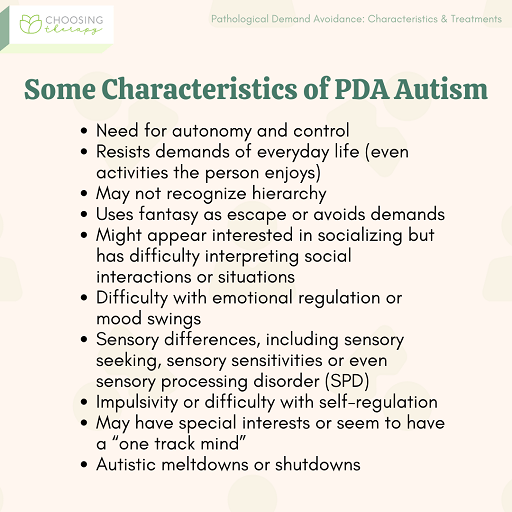
- Defining PDA: Pathological Demand Avoidance is characterized by an extreme avoidance of everyday demands and an anxiety-driven need to be in control.
- Teenage Presentation: Symptoms often manifest differently in teenagers, with increased complexity due to hormonal changes and social pressures.
Recognizing Signs and Symptoms
- Behavioral Cues: Identifying avoidance tactics, manipulative behavior, and intense anxiety as key signs of PDA.
- Social Challenges: Difficulty in forming and maintaining relationships, struggling with authority, and intense mood swings may be indicators.
Challenges Faced by Teenagers with PDA

- Educational Hurdles: Difficulties in traditional schooling environments due to high anxiety levels and aversion to structured demands.
- Emotional Struggles: Adolescents may experience emotional regulation difficulties, leading to meltdowns or shutdowns.
Strategies for Supporting Teenagers with PDA
- Flexible Approaches: Implementing strategies that offer choices and flexibility in tasks and routines to reduce anxiety.
- Clear Communication: Using indirect language and negotiation to avoid confrontations and reduce demand perception.
- Creating Safe Spaces: Establishing safe zones or calming areas where teenagers can retreat during overwhelming situations.
Collaborating with Schools and Professionals
- Individualized Education Plans (IEPs): Collaborating with educators to create personalized learning plans that accommodate the needs of teenagers with PDA.
- Therapeutic Support: Accessing therapies such as Cognitive Behavioral Therapy (CBT) or Occupational Therapy to address specific challenges.
Parental and Community Support
- Parental Education: Providing parents with resources and support groups to understand and manage PDA in their teenagers effectively.
- Community Involvement: Creating a supportive network within the community to reduce isolation and provide opportunities for social interaction.
Also Read:
Trails to Wellness: Exploring Nature’s Path to Health and Well-being
Trails Carolina Staff: Guiding Your Child Towards Growth and Healing
Celebrating Progress and Growth
- Focusing on Strengths: Identifying and nurturing the strengths and interests of teenagers with PDA to boost confidence and self-esteem.
- Recognizing Achievements: Celebrating small victories and milestones to encourage continued progress.
Understanding and managing PDA in teenagers requires a holistic approach that involves recognizing symptoms, providing tailored support, collaborating with professionals, and fostering a supportive environment. By implementing strategies that accommodate their needs, teenagers with PDA can thrive and lead fulfilling lives within their capabilities.