

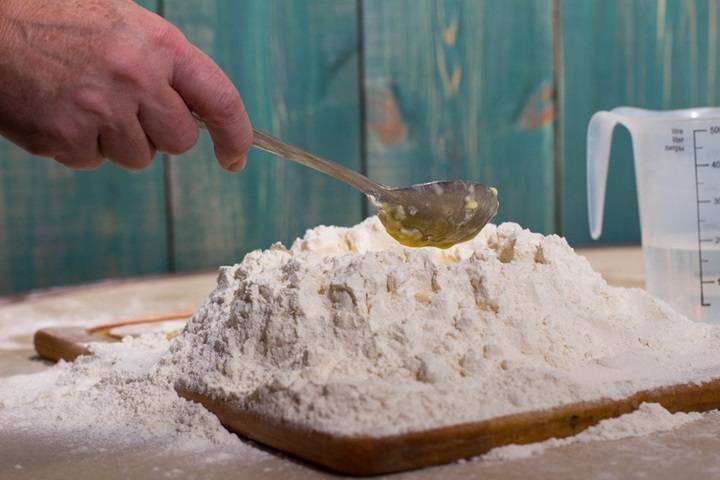
Flour is a fundamental ingredient in cooking and baking, but its measurements can sometimes be confusing, especially when converting between volume and weight. If you’ve ever wondered how many grams of flour are in a certain volume of milliliters, you’re not alone. In this guide, we’ll delve deep into the world of flour conversion, specifically focusing on how to convert milliliters (ml) to grams. Whether you’re a seasoned chef or a novice baker, understanding these conversions will enhance your culinary skills and ensure consistent results in the kitchen.
Understanding Flour
Before we delve into conversions, let’s take a moment to understand flour itself. Flour is a finely ground powder made from grains, nuts, seeds, or roots. It’s a fundamental ingredient in baking, serving as the backbone for countless recipes across various culinary traditions. The most common source of flour is wheat, but it can also be derived from other grains like rice, corn, oats, or even legumes like chickpeas.
At its core, flour is primarily composed of starch, which plays a crucial role in providing structure and texture to baked goods. Starch molecules in flour absorb liquid and swell when heated, creating the framework that traps gases produced by leavening agents like yeast or baking powder, resulting in risen doughs and airy textures.
Why Convert Milliliters to Grams?
In recipes, flour is often measured by volume (cups or milliliters) or weight (grams or ounces). While volume measurements are common in many recipes, they can be less precise than weight measurements. Converting milliliters to grams allows for more accurate and consistent results, particularly in baking, where precision is crucial for success.
Converting Milliliters to Grams: The Basics
The conversion of milliliters (ml) to grams (g) for flour depends on its density, which can vary slightly depending on factors such as moisture content and compaction. However, as a general rule of thumb, the following conversions are commonly used:
- All-purpose flour: 1 milliliter (ml) = approximately 0.5 grams (g)
- Whole wheat flour: 1 milliliter (ml) = approximately 0.56 grams (g)
- Bread flour: 1 milliliter (ml) = approximately 0.57 grams (g)
- Cake flour: 1 milliliter (ml) = approximately 0.47 grams (g)
Factors Affecting Density
It’s important to note that the density of flour can vary based on several factors, including:
- Moisture content: Flour with higher moisture content may weigh more per milliliter.
- Compaction: Flour that has been tightly packed or sifted may have a higher density.
- Type of flour: Different types of flour have different densities due to variations in protein and gluten content.
Tips for Accurate Conversion
To ensure accurate conversion from milliliters to grams, consider the following tips:
- Use a kitchen scale: A digital kitchen scale provides the most precise measurement for flour and other ingredients.
- Fluff and scoop: Before measuring flour, fluff it up with a fork or whisk to aerate it, then gently scoop it into the measuring cup without packing it down.

- Level off: Use a straight-edged utensil to level off the flour in the measuring cup, removing any excess and ensuring an accurate measurement.
- Be consistent: Use the same method of measurement (volume or weight) throughout a recipe for consistent results.
Practical Examples
Let’s walk through some practical examples to illustrate how to convert milliliters to grams for flour in real-world scenarios:
Recipe Calls for 250 milliliters of All-Purpose Flour:
-
- Using the conversion factor of 0.5 grams/ml for all-purpose flour:
- 250 ml × 0.5 grams/ml = 125 grams of all-purpose flour
Recipe Calls for 350 milliliters of Whole Wheat Flour:
-
- Using the conversion factor of 0.56 grams/ml for whole wheat flour:
- 350 ml × 0.56 grams/ml = 196 grams of whole wheat flour
Recipe Calls for 200 milliliters of Bread Flour:
-
- Using the conversion factor of 0.57 grams/ml for bread flour:
- 200 ml × 0.57 grams/ml = 114 grams of bread flour
Recipe Calls for 300 milliliters of Cake Flour:
-
- Using the conversion factor of 0.47 grams/ml for cake flour:
- 300 ml × 0.47 grams/ml = 141 grams of cake flour
Related Post:
Who Can Benefit From SIP Trunking?
Conducting Compliance Audits and Monitoring: Insights from the Office of Inspector General
Blooming Beauty: Exploring Yorkshire’s Gardens, Parks, and Botanical Wonders
Travelling Through Western Europe: Great Cities to See Besides the Capitals
Converting milliliters to grams for flour is a simple yet essential skill for any home cook or baker. By understanding the basics of flour density and following the tips provided, you can achieve accurate and consistent results in your recipes. Whether you’re making bread, cakes, or pastries, mastering flour conversions will elevate your culinary creations to new heights. So, the next time you encounter a recipe calling for milliliters of flour, you’ll have the knowledge and confidence to convert it seamlessly to grams. Happy baking!