

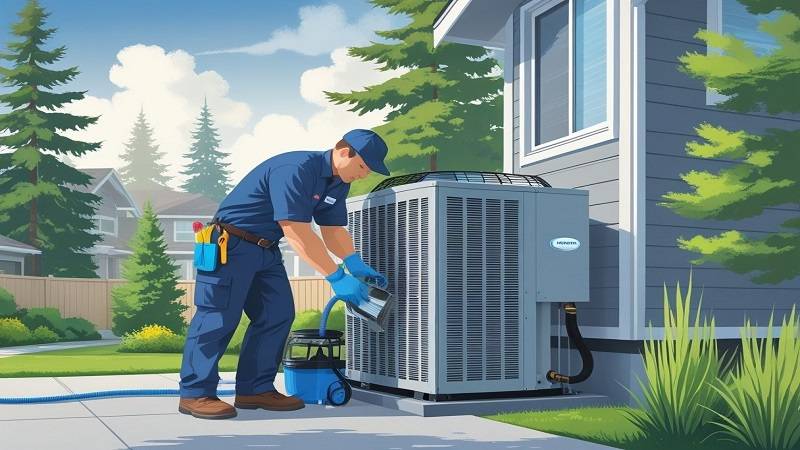
HVAC systems in Vancouver and Burnaby face unique challenges from the region’s coastal climate, including high humidity and seasonal temperature fluctuations. These conditions can lead to increased dust accumulation, mold growth, and reduced air quality if systems aren’t properly maintained.
Regular cleaning and maintenance of HVAC systems can significantly improve indoor air quality while reducing energy costs for Lower Mainland residents. Local professionals recommend cleaning ducts every 3-5 years, though homes with pets, allergies, or recent renovations may require more frequent attention.
Simple maintenance tasks combined with professional services help ensure optimal system performance throughout the year. Understanding when to tackle cleaning tasks independently versus calling experts can save homeowners money while maintaining healthy indoor environments for their families.
Essential Local HVAC System Cleaning Tips for Vancouver & Burnaby Residents
Proper HVAC cleaning maintains system efficiency and protects indoor air quality in Metro Vancouver’s unique climate conditions. Regular maintenance reduces allergens, prevents costly repairs, and ensures optimal performance throughout the year.
Why Regular HVAC Cleaning Matters for Your Home
Vancouver and Burnaby residents face specific challenges that make HVAC cleaning essential for home comfort and health. The region’s mild, humid climate creates conditions where dust, moisture, and organic particles accumulate more readily in heating and cooling systems.
Dirty HVAC systems work harder to maintain desired temperatures. This increased workload leads to higher energy bills and premature equipment failure.
Key benefits of regular HVAC cleaning include:
- Reduced energy consumption by 15-20%
- Extended equipment lifespan
- Lower repair costs
- Improved system reliability
Indoor air quality suffers when contaminants build up in ductwork and components. Residents with allergies or respiratory conditions experience more symptoms when systems remain uncleaned.
Metro Vancouver’s seasonal temperature variations require systems to switch between heating and cooling modes. Clean components handle these transitions more effectively than dirty ones.
Key Steps for Effective Duct and Vent Cleaning
Homeowners can perform basic vent cleaning tasks between professional services. Start by turning off the HVAC system completely before beginning any cleaning work.
Remove vent covers and wash them with warm, soapy water. Use a vacuum with a brush attachment to clean visible dust from vent openings.
Essential cleaning steps:
- Filter replacement – Change filters every 1-3 months
- Vent cover cleaning – Monthly washing prevents buildup
- Return air grille maintenance – Vacuum regularly
- Visible ductwork inspection – Check for damage or debris
Professional duct cleaning involves specialized equipment that reaches deep into the system. Technicians use powerful vacuums and rotating brushes to remove accumulated debris from main ducts and branches.
The process typically takes 3-5 hours for average homes. Professionals seal off sections while cleaning to prevent dust from spreading throughout the house.
Improving Indoor Air Quality with System Upkeep
Clean HVAC systems significantly reduce allergens circulating through Vancouver and Burnaby homes. Dust mites, pet dander, pollen, and mold spores accumulate in dirty ductwork and get redistributed with each system cycle.
Regular filter changes form the foundation of indoor air quality improvement. High-efficiency filters capture smaller particles than standard options but require more frequent replacement.
Air quality improvement strategies:
- Install HEPA-rated filters when possible
- Clean return air vents monthly
- Maintain proper humidity levels (30-50%)
- Schedule bi-annual system inspections
Mold growth poses particular concerns in Metro Vancouver’s climate. Moisture in ductwork creates ideal conditions for mold development, which then spreads spores throughout the home.
Professional cleaning removes existing contaminants and identifies moisture sources that could lead to future problems. This preventive approach protects both equipment and occupant health.
The Role of Professional Air Duct Cleaning Services
Licensed HVAC technicians in Vancouver and Burnaby use specialized equipment unavailable to homeowners. Professional-grade vacuum systems create negative pressure throughout the ductwork while powerful brushes dislodge stubborn debris.
Trained professionals identify issues beyond basic cleaning needs. They spot damaged ductwork, improper installations, and potential safety hazards during the cleaning process.
Professional services include:
- Complete system inspection
- Powerful vacuum extraction
- Sanitizing treatments when needed
- Ductwork repair recommendations
Most experts recommend professional air duct cleaning services every 3-5 years for typical homes. Households with pets, smokers, or family members with respiratory conditions benefit from more frequent professional cleaning.
The investment in professional cleaning pays dividends through improved efficiency and reduced health risks. Certified technicians ensure thorough cleaning without damaging sensitive system components.
Maximizing HVAC Efficiency and Lifespan
Regular cleaning and maintenance directly impact system performance and operating costs. Clean components reduce energy consumption while extending equipment life through reduced wear and strain.
How Clean Filters, Coils, and Ducts Boost System Efficiency
Air filters trap contaminants but become clogged over time, forcing systems to work harder. Dirty filters restrict airflow and increase energy consumption by up to 15%.
Homeowners should replace standard filters every 1-3 months. High-efficiency filters may last longer but require monthly inspection. Clean filters improve air quality while reducing strain on furnaces and heat pumps.
Evaporator and condenser coils collect dirt that insulates heat transfer surfaces. This buildup forces systems to run longer cycles to achieve desired temperatures.
Professional coil cleaning removes accumulated debris that blocks heat exchange. Clean coils maintain optimal refrigerant performance and prevent compressor damage.
Ductwork cleaning eliminates blockages that reduce airflow throughout the home. Sealed ducts prevent conditioned air loss and improve system efficiency.
Clean ducts distribute air evenly to all rooms. This balanced airflow reduces hot and cold spots while lowering energy bills.
Maintaining Furnaces and Heat Pumps for Cost Savings
Furnace maintenance includes cleaning burners, checking gas connections, and inspecting heat exchangers. Annual cleaning prevents carbon buildup that reduces combustion efficiency.
Professional technicians calibrate gas valves and clean flame sensors. These adjustments ensure complete fuel combustion and maximum heat output.
Heat pump maintenance focuses on refrigerant levels, electrical connections, and outdoor unit cleaning. Proper refrigerant charges maintain heating and cooling capacity.
Technicians inspect reversing valves and defrost controls specific to heat pumps. Clean outdoor coils prevent ice buildup during winter operation.
Both systems benefit from thermostat calibration and blower motor lubrication. Regular maintenance prevents minor issues from becoming expensive repairs.
Strategies to Save Money Through Preventative Care
Annual maintenance contracts typically cost $150-$300 but prevent repairs averaging $500-$1,500. Preventative care identifies problems before component failure occurs.
Energy savings from clean systems range from 10-25% on monthly utility bills. A well-maintained system uses less energy to achieve the same comfort levels.
Homeowners can perform basic tasks like filter changes and outdoor unit cleaning. Professional service handles complex components requiring specialized tools and knowledge.
System lifespan increases 3-5 years with regular maintenance compared to neglected equipment. Clean systems operate within design parameters and experience less wear.
Scheduling maintenance during spring and fall ensures peak performance before heavy usage seasons. Early detection of worn parts allows planned replacements rather than emergency repairs.