

The Paleo diet, also known as the Paleolithic or “caveman” diet, has gained significant popularity in recent years as people seek to adopt a way of eating that aligns more closely with the diets of our ancient ancestors. The basic premise of the Paleo diet is to consume foods that would have been available to humans during the Paleolithic era, which spanned from approximately 2.5 million to 10,000 years ago. This means focusing on whole, unprocessed foods such as meat, fish, vegetables, fruits, nuts, and seeds while avoiding grains, legumes, dairy, and refined sugars.
One food that often sparks debate within the Paleo community is wild rice. Although wild rice is commonly perceived as a grain, it is technically a grass. This distinction leads many to question whether wild rice is considered Paleo-friendly. In this comprehensive guide, we’ll explore what wild rice is, its nutritional profile, and how it fits into the Paleo diet. We’ll also address the arguments for and against including wild rice in a Paleo diet and provide tips for those who wish to incorporate it into their meals.
What Is Wild Rice?
Wild rice is an aquatic grass native to North America, particularly the Great Lakes region, where it has been harvested for thousands of years by Indigenous peoples. Despite its name, wild rice is not directly related to the common rice varieties (Oryza sativa and Oryza glaberrima) that most people are familiar with. The term “wild rice” refers to four species of grasses in the genus Zizania, with the most common species being Zizania palustris and Zizania aquatica.
Characteristics of Wild Rice
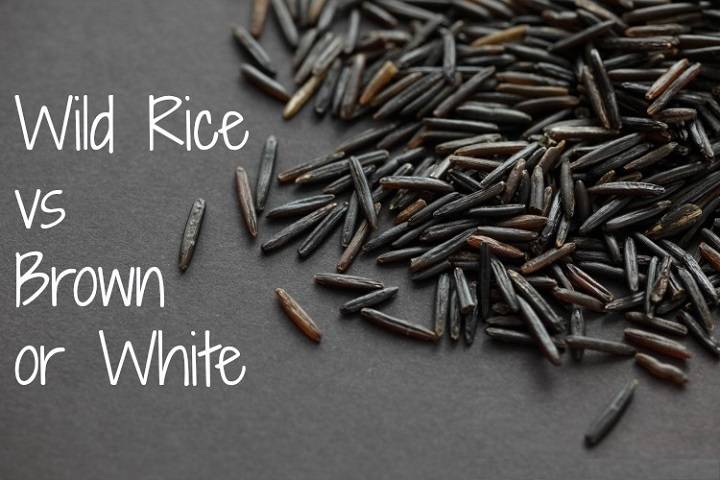
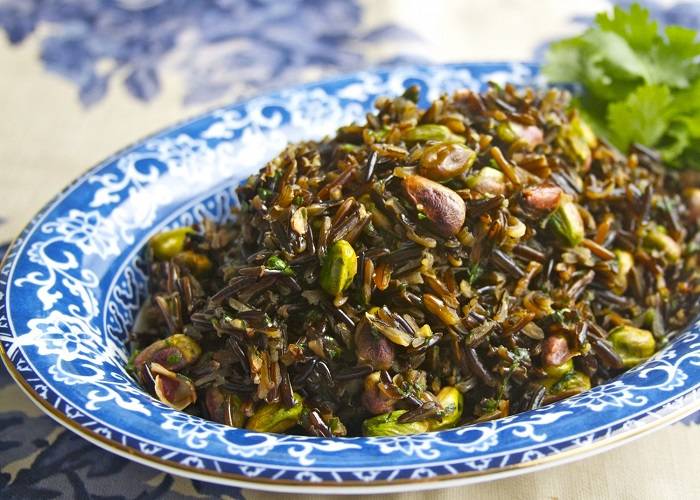
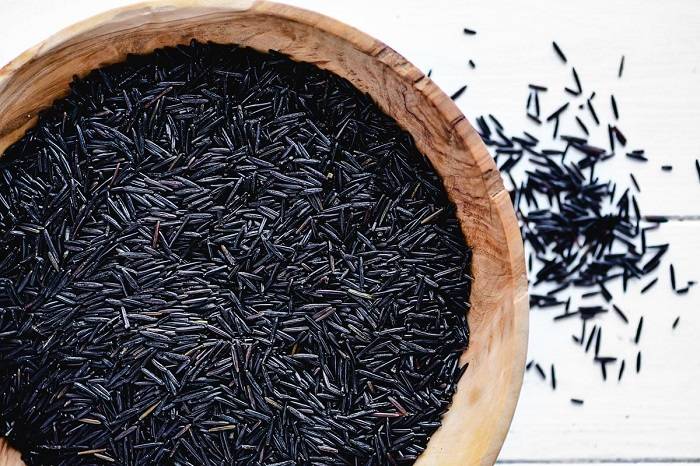
- Appearance: Wild rice has long, slender grains with a dark brown to black outer husk. The grains are typically longer and more textured than those of conventional rice.
- Flavor: Wild rice has a nutty, earthy flavor with a slightly chewy texture. This unique flavor profile makes it a popular ingredient in salads, soups, and side dishes.
- Nutritional Profile: Wild rice is a nutrient-dense food, rich in protein, fiber, vitamins, and minerals. It is also gluten-free, making it suitable for those with celiac disease or gluten sensitivity.
Nutritional Benefits of Wild Rice
Wild rice is often lauded for its nutritional benefits, which include:
- High Protein Content: Wild rice contains more protein than most grains, with about 4 grams of protein per cooked cup. This makes it a valuable plant-based protein source, especially for those on vegetarian or vegan diets.
- Rich in Fiber: A serving of wild rice provides approximately 3 grams of dietary fiber, which is essential for digestive health and can help with weight management.
- Vitamins and Minerals: Wild rice is a good source of several important nutrients, including magnesium, phosphorus, zinc, and B vitamins such as niacin and folate.
- Low in Calories: Wild rice is relatively low in calories, with only about 160 calories per cooked cup. This makes it a suitable option for those looking to maintain or lose weight.
The Paleo Diet: A Brief Overview
To determine whether wild rice is Paleo, it’s important to understand the principles of the Paleo diet. The Paleo diet is based on the idea that modern humans should eat foods that resemble what our hunter-gatherer ancestors would have consumed. The diet is focused on whole, nutrient-dense foods that are minimally processed.
Allowed Foods on the Paleo Diet
- Meat and Fish: Grass-fed meats, free-range poultry, wild-caught fish, and other animal proteins are staples of the Paleo diet.
- Vegetables and Fruits: Non-starchy vegetables, leafy greens, and a variety of fruits are encouraged.
- Nuts and Seeds: Raw nuts and seeds are permitted, but peanuts (which are legumes) are not.
- Healthy Fats: The diet includes healthy fats from sources like avocados, olive oil, coconut oil, and fatty fish.
Foods to Avoid on the Paleo Diet
- Grains: All grains, including wheat, barley, oats, and rice, are typically excluded from the Paleo diet due to their carbohydrate content and potential for inflammation.
- Legumes: Beans, lentils, soy, and peanuts are avoided because they contain lectins and phytic acid, which some believe can interfere with nutrient absorption and gut health.
- Dairy: Most forms of dairy, especially those from conventional sources, are excluded from the Paleo diet. Some people on a modified Paleo diet may include grass-fed butter or ghee.
- Processed Foods and Sugars: Refined sugars, artificial sweeteners, and heavily processed foods are not allowed on the Paleo diet.
Is Wild Rice Paleo?
The question of whether wild rice is Paleo is not straightforward, as it depends on how strictly one adheres to the principles of the diet and the interpretation of what foods are considered “Paleo.” Let’s explore the arguments both for and against including wild rice in a Paleo diet.
Arguments Against Wild Rice Being Paleo
- Carbohydrate Content: Wild rice, like other grains, is relatively high in carbohydrates, with about 35 grams of carbs per cooked cup. Paleo enthusiasts often aim to reduce their intake of carbohydrates, particularly those from grains, to maintain stable blood sugar levels and avoid insulin spikes.
- Grain-Like Qualities: Despite being a grass, wild rice is often grouped with grains due to its similar culinary uses and nutrient profile. The Paleo diet traditionally excludes all grains, as they were not part of the hunter-gatherer diet and can be difficult to digest for some people.
- Anti-Nutrients: Like other grains, wild rice contains anti-nutrients such as phytic acid, which can bind to minerals and reduce their absorption in the body. The presence of anti-nutrients is one reason why grains are generally avoided on the Paleo diet.
- Availability During the Paleolithic Era: Wild rice is native to specific regions of North America, and it is unlikely that it was widely consumed by Paleolithic peoples. The Paleo diet emphasizes foods that would have been available to early humans across different environments.
Arguments for Wild Rice Being Paleo
- Nutrient Density: Wild rice is rich in nutrients, including protein, fiber, and essential vitamins and minerals. These qualities align with the Paleo diet’s emphasis on nutrient-dense, whole foods that support overall health.
- Gluten-Free: Unlike many other grains, wild rice is naturally gluten-free. Since one of the primary reasons for avoiding grains on the Paleo diet is to eliminate gluten, some argue that gluten-free grains like wild rice could be an acceptable addition.
- Indigenous Consumption: Indigenous peoples of North America have been consuming wild rice for thousands of years as a staple in their diet. This long history of consumption suggests that wild rice is a natural, unprocessed food that can be part of a healthy diet.
- Moderation and Individual Choice: Some people who follow a modified or more flexible version of the Paleo diet choose to include certain non-Paleo foods, such as wild rice, in moderation. They may prioritize whole, minimally processed foods over strict adherence to the original guidelines.
Practical Considerations for Including Wild Rice in a Paleo Diet
If you’re following a Paleo diet but are interested in including wild rice, there are some practical considerations to keep in mind:
Portion Control
Due to its higher carbohydrate content, it’s important to consume wild rice in moderation. Small portions can provide the benefits of wild rice without significantly impacting your carbohydrate intake.
Preparation Techniques
Soaking and sprouting wild rice before cooking can help reduce the levels of anti-nutrients like phytic acid, making it easier to digest and potentially more Paleo-friendly. Soaking also reduces cooking time and can improve the texture of the rice.
Balance with Other Paleo Foods
If you choose to include wild rice in your Paleo diet, balance it with plenty of vegetables, proteins, and healthy fats. This ensures that you’re getting a wide range of nutrients and maintaining the overall principles of the Paleo diet.
Listen to Your Body
Everyone’s body responds differently to various foods. If you find that wild rice doesn’t cause any digestive issues or negatively impact your energy levels, it may be a good fit for your individual Paleo diet.
Consider Your Goals
Think about why you’re following the Paleo diet in the first place. If your primary goal is to reduce processed foods and eat more whole foods, wild rice might align with those goals. However, if you’re aiming for strict adherence to the original Paleo principles, you may choose to avoid wild rice.
Alternative Options to Wild Rice on a Paleo Diet
For those who prefer to avoid wild rice but still want a similar texture or flavor in their dishes, there are several Paleo-friendly alternatives:
Cauliflower Rice
Cauliflower rice is a popular low-carb alternative to grains. It’s made by pulsing cauliflower florets in a food processor until they resemble rice grains. Cauliflower rice is versatile, easy to prepare, and can be used in a variety of dishes.
Riced Broccoli
Similar to cauliflower rice, broccoli rice is another low-carb, nutrient-rich option. It has a slightly different flavor and color but works well in many of the same recipes.
Spaghetti Squash
While not a direct substitute for wild rice, spaghetti squash can be used in place of rice in certain dishes. When cooked, the flesh of the squash separates into long, noodle-like strands that can be used in casseroles, stir-fries, and more.
Zucchini Noodles (Zoodles)
Zucchini noodles or “zoodles” are a great grain-free alternative that can be used in place of rice or pasta. They are easy to make with a spiralizer and can be enjoyed raw or cooked.
Shirataki Rice
Made from the root of the konjac yam, shirataki rice is a low-carb, low-calorie option that’s Paleo-friendly. It has a slightly chewy texture and can absorb the flavors of whatever dish it’s added to.
Related Post:
How Many Cups in a Gallon? Unraveling the Mystery of Liquid Measurements
Stay Updated: Iowa Women’s Basketball Schedule 2024 – Key Games, Dates & Highlights
Dallas Mavericks vs Clippers: Comprehensive Player Stats Breakdown
So, is wild rice Paleo? The answer largely depends on how strictly you adhere to the Paleo diet and your personal health goals. While traditional Paleo guidelines exclude all grains, including wild rice, some people on a more flexible version of the diet choose to include it in moderation due to its nutritional benefits and unique flavor.
If you decide to incorporate wild rice into your Paleo diet, be mindful of portion sizes, preparation methods, and how it fits into your overall dietary goals. Alternatively, you can explore other grain-free options that align more closely with Paleo principles.
Ultimately, the Paleo diet is about finding a way of eating that supports your health and well-being. Whether or not you choose to include wild rice, the key is to focus on whole, minimally processed foods that nourish your body and align with your lifestyle.