

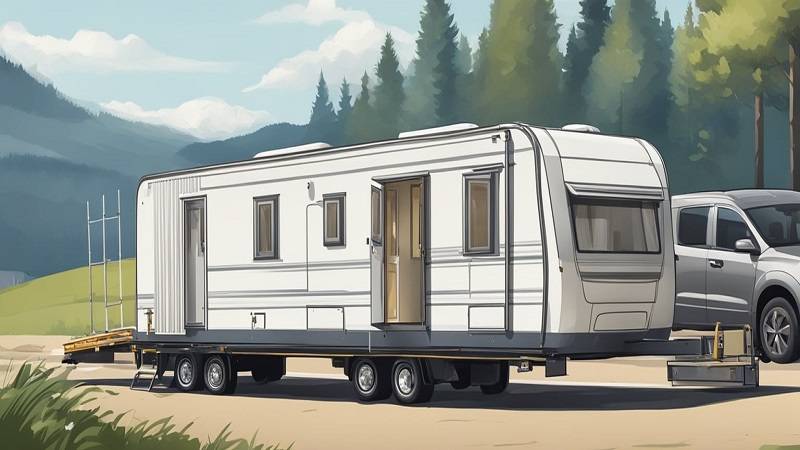
Moving a static caravan requires careful planning and selecting the right transport service to ensure your holiday home arrives safely at its destination. Many caravan owners underestimate the complexity involved in transporting these large structures, which can lead to costly damages or delays.
Choosing the right static caravan transport company involves evaluating their experience, insurance coverage, equipment quality, and pricing structure to ensure your investment reaches its destination safely and efficiently. The transport process requires specialized vehicles and expertise that not all moving companies possess.
Each transport service offers different advantages depending on your specific requirements, from route planning expertise to handling necessary permits. This guide will help caravan owners navigate these considerations to make an informed decision for their valuable holiday home’s journey.
Determining Your Static Caravan Transport Needs
Before selecting a transport service, you must understand the specific requirements for moving your static caravan. Proper assessment of your caravan’s physical characteristics and destination access details will ensure a smooth relocation process.
Assessing Caravan Specifications
The dimensions of your static caravan significantly impact transport requirements. Measure the length, width, height, and weight accurately, as these figures determine the type of vehicle needed. Most static caravans range from 28 to 40 feet in length and 10 to 14 feet in width.
Older caravans may have structural vulnerabilities that require special handling. Check the chassis condition, as weakened support structures might necessitate additional reinforcement before transport.
Document any removable elements such as chimneys, TV aerials, or external fittings. These items should be secured or temporarily removed to prevent damage during transit.
The age and model of your caravan also influence transportation methods. Newer models often have designated lifting points, while older units may require custom solutions for safe movement.
Understanding Caravan Park Access
Access restrictions at both departure and destination sites must be thoroughly evaluated. Narrow entrance gates, height barriers, or weight-restricted bridges can create significant challenges for transport vehicles.
Key access factors to consider:
- Road width at both locations
- Turning radius requirements
- Overhead obstacles (power lines, tree branches)
- Ground conditions (especially important during wet seasons)
Contact your destination caravan park management to verify access limitations. Many parks maintain specific delivery windows or require advance notification before large vehicles arrive.
Assess the plot dimensions at your new location. Ensure sufficient space exists for maneuvering the caravan into position without damaging neighboring units or park facilities.
Terrain variations between the road and final positioning area may require specialized equipment. Steep inclines, soft ground, or tight spaces might necessitate additional vehicles or equipment.
Selecting a Reputable Transport Service
Finding a trustworthy company to move your static caravan is crucial for its safe delivery to your chosen caravan park. The right service provider will have appropriate credentials, offer fair pricing, and maintain a solid reputation in the industry.
Evaluating Transporter Credentials
Professional static caravan transporters should hold proper licensing and insurance specifically for caravan movement. Look for companies with CSCS (Construction Skills Certification Scheme) cards and appropriate category licenses for their drivers. A reputable service will employ staff trained in specialist lifting and transportation techniques.
Insurance coverage is non-negotiable – verify they have comprehensive policies that protect your holiday home during transit. The best transporters maintain modern equipment, including specialized lifting gear and properly maintained vehicles.
Ask potential companies about their experience with your specific caravan model. Established firms will have detailed knowledge of various makes and models, which translates to safer handling of your property.
Comparing Service Quotes and Site Fees
Request detailed written quotes from at least three transport companies. These quotes should clearly itemize all costs, including fuel surcharges, permits, and any potential overnight fees for long-distance moves.
Be wary of quotes significantly lower than others, as this often indicates corners being cut on safety or insurance. Most reputable companies charge based on:
- Distance traveled
- Caravan size and weight
- Access difficulty at both locations
- Special requirements (like police escorts)
Remember to factor in site fees at your destination caravan park. Some parks charge entrance fees or connection charges that should be included in your overall budget.
Reviews and Recommendations
Customer testimonials provide valuable insights into a company’s reliability and service quality. Look for detailed reviews mentioning specific aspects of the transport process rather than generic praise.
Social media groups dedicated to static caravan owners can be excellent sources of honest recommendations. Members often share both positive and negative experiences with transport companies.
Industry associations like the National Caravan Council (NCC) maintain lists of approved transporters. Companies with membership in these organizations typically adhere to higher industry standards.
Ask your chosen caravan park for transport recommendations. They regularly work with transport companies and can suggest reliable operators familiar with their site layout and access requirements.