

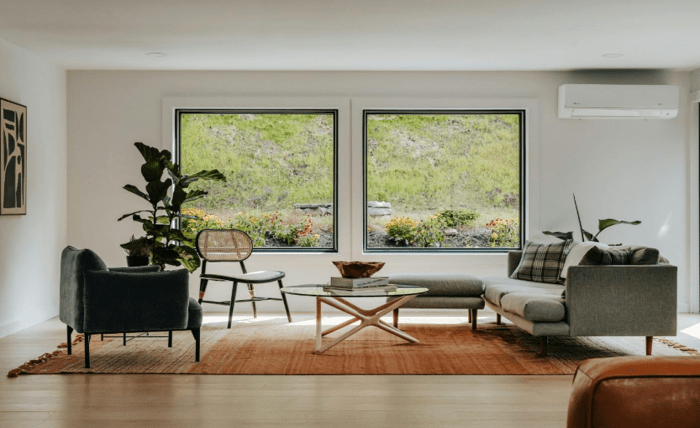
Chaos finds its way into every corner of modern life—traffic, tight deadlines, endless notifications, and the pressure to stay productive. It’s hard to escape the noise, especially when the outside world constantly demands attention. But there’s one space we can control: home. In cities like Anaheim, where bustling attractions and tourism add layers of stimulation, creating a peaceful home environment becomes more essential than optional. Whether you’re commuting from crowded streets or simply trying to decompress after a busy day, your home should offer peace, not more stress. Let’s explore how to transform your home into a personal sanctuary of calm.
- Understanding the Psychology of Space
The way a space looks and feels directly affects your mental state. Cluttered rooms, harsh lighting, or a lack of natural elements can heighten anxiety and make it harder to relax. On the flip side, thoughtfully designed environments can lower cortisol levels and support emotional regulation. Spaces with softer textures, neutral color schemes, and balanced layouts help promote a sense of order. Psychological studies repeatedly show that our surroundings have the power to shape how we think, feel, and act. Recognizing this connection is the first step in intentionally designing your home to be a refuge from the world’s stressors.
- Start with Natural Light and Windows
Natural light has a profound impact on mood and well-being. The quality of light entering a room can shift how a space feels, influencing both your mental clarity and energy levels. In Anaheim, where sunshine is abundant, homeowners have a distinct advantage. However, outdated or damaged windows can diminish that benefit. Investing in top-tier Anaheim window replacement services ensures that homes not only receive better insulation but also maximize the light that pours into each room. Clear, energy-efficient windows allow the warmth and brightness of Southern California to energize your living space without overwhelming it.
- Declutter and Define Purposeful Zones
A cluttered room leads to a cluttered mind. By removing items you no longer use and organizing what remains, you gain control over your environment—and your thoughts. Every room should have a clear purpose. When a space tries to do too many things, it creates confusion and mental noise. Create separate zones for activities like reading, working, relaxing, or sleeping. Use furniture placement and lighting to subtly define these zones. For example, a reading nook with a cozy chair and soft lamp can create a mental boundary between rest and productivity. Simplicity brings calm, and intention drives clarity.
- Prioritize Comfort Over Perfection
Design magazines and social media might convince you that your home needs to look flawless. But the truth is, true sanctuary lies in comfort, not perfection. Your space should make you feel safe, cozy, and at ease. Choose plush textiles, soft throws, and seating that invites relaxation. Avoid stiff furniture or overly formal layouts that look beautiful but discourage actual use. The more relaxed your body feels, the more your mind can slow down. Focus on how your home feels rather than how it appears to others. That shift alone can make your home the retreat you crave.
- Bring Nature Indoors
Bringing natural elements inside is one of the easiest and most effective ways to create serenity. Plants purify the air and remind us to breathe deeply. A simple vase of fresh flowers on a table can uplift your mood. Incorporate wood, stone, and other organic textures into your décor. Even artwork featuring natural scenes can evoke a sense of calm. The goal isn’t to turn your home into a jungle, but to create a connection with nature—even on a small scale. These touches ground you and provide visual relief from the synthetic overstimulation of modern city life.
- Use Soothing Colors and Harmonious Palettes
Colors speak to our nervous system in quiet but powerful ways. While bold hues can energize, they may overwhelm in spaces meant for peace. Soft, muted tones—like sage green, sand beige, pale blue, and creamy white—bring a sense of calm and coherence. Choose a limited palette and repeat it throughout your home to create visual continuity. When your eyes move through a space without jarring color breaks, your mind rests more easily. Paint walls, select furnishings, and add accessories in shades that align with your emotional goals. Think of color not as decoration, but as medicine for the senses.
In a world that constantly pulls us outward, we must intentionally create spaces that draw us inward. Home should feel like a pause button, not a continuation of the frenzy outside. Whether through light, color, sound, or mindful design, each choice you make becomes part of a bigger goal—safety, stillness, and emotional clarity. Especially in busy urban settings, building a sanctuary at home is less about luxury and more about necessity. You deserve a space that cares for you as deeply as you care for others. When your home truly feels like a sanctuary, the chaos of the world doesn’t stand a chance.